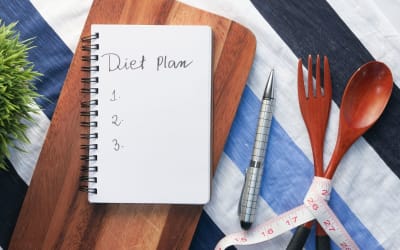
Calorie counting is a popular method for managing weight, but does it actually work? As a registered public health nutritionist, I have seen many clients try calorie counting with varying degrees of success. In this article, we will explore the pros and cons of calorie counting and discuss how to make it an effective tool for achieving your health goals.
Calorie counting involves tracking the number of calories you consume each day, usually with the aim of creating a calorie deficit to promote weight loss. This can be done using a food diary, mobile app, or online calculator. While calorie counting can be an effective way to reduce calorie intake, it is not without its limitations. For example, it can be time-consuming and may not take into account the nutritional quality of the foods you are eating.
The Benefits of Calorie Counting
Despite its limitations, calorie counting can be a useful tool for weight management. By tracking your calorie intake, you can identify areas where you can make changes to reduce your overall calorie consumption. This can be particularly helpful for individuals who are trying to manage their weight as part of a broader health strategy, such as those with diabetes or PCOS.
In addition to weight management, calorie counting can also help with other health goals, such as improving gut health or managing symptoms of menopause. By paying attention to your calorie intake and making adjustments as needed, you can help support your overall health and wellbeing.
The Drawbacks of Calorie Counting
While calorie counting can be an effective tool for weight management, it is not without its drawbacks. One of the main limitations of calorie counting is that it can be overly restrictive, leading to disordered eating patterns and a negative relationship with food. Additionally, calorie counting may not take into account the nutritional quality of the foods you are eating, which can lead to nutrient deficiencies and other health problems.
For example, a diet that is high in processed foods and added sugars may be low in calories, but it can still have a negative impact on your overall health. This is why it is so important to focus on whole, nutrient-dense foods, such as fruits, vegetables, whole grains, and lean proteins, rather than just relying on calorie counting. This is particularly important for children's nutrition, where a balanced diet is essential for growth and development.
Making Calorie Counting Work for You
So, how can you make calorie counting work for you? The key is to use it as a tool, rather than a restriction. Rather than focusing solely on calorie intake, try to focus on making healthy, balanced food choices. This can include eating a variety of whole foods, staying hydrated, and getting regular exercise.
In addition to making healthy food choices, it is also important to consider the role of hormones, such as GLP-1, in regulating appetite and metabolism. By working with a registered nutritionist, you can develop a personalised nutrition plan that takes into account your individual needs and health goals.
If you are considering using calorie counting as part of your health strategy, I encourage you to get in touch or book a consultation to discuss your options and develop a personalised plan. With the right approach and support, you can achieve your health goals and maintain a healthy, balanced lifestyle.
Practical Implementation: The 4-Week "Audit and Adjust" Protocol
In my practice at NutrificientLife, I rarely advocate for perpetual calorie tracking. Instead, I utilise a structured four-week "audit and adjust" protocol designed to build long-term nutritional literacy. In line with general NHS guidance, a safe and sustainable rate of weight loss is typically around 0.5kg (1lb) per week, which usually requires a modest daily energy deficit of 300 to 500 kcal below your calculated total daily energy expenditure. During the initial fortnight, clients log their standard eating habits without making active modifications. This diagnostic phase frequently exposes hidden sources of calorie density – such as cooking oils, salad dressings, and liquid sugars – that can unintentionally add 200–400 kcal to a daily total.
Wondering how this applies to you specifically?
Once this baseline awareness is established, we pivot in weeks three and four toward key nutritional anchors alongside energy intake:
- Protein Distribution: Aiming for roughly 1.2 to 1.6 grams of protein per kilogram of body weight daily to preserve lean muscle tissue and optimise satiety.
- Fibre Targets: Aligning with the UK national recommendation of 30 grams of dietary fibre daily from whole grains, legumes, fruit, and vegetables to support gut transit and glycaemic control.
- Visual Portion Bridging: Pairing app measurements with hand-based visual cues (such as a palm for protein or a fist for vegetables) to train real-world portion recognition.
The ultimate objective of calorie tracking should be its eventual phase-out. After four to six weeks, clients typically transition off logging apps entirely, relying instead on these established visual habits and internal hunger signals. Because energy requirements are highly individual and influenced by metabolic rate, activity, and medical history, significant dietary changes should be approached thoughtfully. If you have been diagnosed with a clinical condition such as type 2 diabetes, thyroid dysfunction, or cardiovascular disease, I recommend discussing any proposed caloric deficits or significant dietary adjustments with your GP first.
You might also find my post on glp-1 medications and nutrition: what you need to know helpful.
You might also find my post on losing weight after 40 years old helpful.
You might also find my post on ozempic and nutrition for weight loss helpful.
You might also find my post on how to stop stress eating without dieting helpful.
When you are weighing every meal to the exact gram yet the scale refuses to move and constant hunger takes over, standard tracking has reached its limit. Real, predictable weight loss relies on how your body and appetite respond to fuel, not just app calculations. If you are ready to break through that plateau and feel in complete control of your progress, explore my services or schedule a session today so we can deliver a strategy built for your body.