
Gut Health & IBS Nutritionist
Understanding Gut Health and Why It Matters
The gastrointestinal tract is far more than a simple digestive tube. It is home to trillions of microorganisms – collectively known as the gut microbiome – that play a fundamental role in immune function, mental health, nutrient absorption, and metabolic regulation. Research published in journals such as Nature Reviews Gastroenterology & Hepatology and The Lancet Gastroenterology & Hepatology has established clear links between gut microbial diversity and a wide range of health outcomes, from inflammatory conditions to mood disorders.
Get your free 1-day Gut Health meal plan
Designed by a registered nutritionist – breakfast, lunch, dinner and snacks

When the balance of these microorganisms is disrupted – a state known as dysbiosis – it can manifest as bloating, irregular bowel habits, abdominal pain, fatigue, skin problems, and even low mood. For many people, functional gastrointestinal conditions such as irritable bowel syndrome (IBS) are the most recognisable expression of gut health difficulties. IBS alone is estimated to affect between 10 and 15 per cent of the UK population, making it one of the most common reasons for GP visits in this country.
As a registered nutritionist with a medical background (MBBS, MSc in Human Nutrition), I take an evidence-based approach to gut health that goes well beyond generic advice to “eat more fibre.” I work with you to understand how your diet and lifestyle may be contributing to your symptoms, and I provide practical, personalised guidance to support your digestive wellbeing. Whether you want to improve your overall gut health, learn how to eat in a way that supports your microbiome, or need help navigating dietary changes alongside your GP, I am here to help.
You can read more about how the microbiome influences overall health in my article on gut health and the microbiome.
IBS and the Low FODMAP Approach
Irritable bowel syndrome is a chronic condition characterised by recurrent abdominal pain associated with changes in bowel frequency or stool form. It is classified into subtypes – IBS-D (diarrhoea-predominant), IBS-C (constipation-predominant), IBS-M (mixed), and IBS-U (unsubtyped) – and each may require a different nutritional approach. The National Institute for Health and Care Excellence (NICE) recommends dietary and lifestyle modifications as the first line of management for IBS, before pharmacological intervention.
One of the most well-researched dietary strategies for IBS is the low FODMAP diet, developed by researchers at Monash University in Melbourne. FODMAPs (Fermentable Oligosaccharides, Disaccharides, Monosaccharides, and Polyols) are short-chain carbohydrates found in a wide variety of everyday foods. In individuals with visceral hypersensitivity – a hallmark feature of IBS – these poorly absorbed carbohydrates are rapidly fermented by gut bacteria, producing gas and drawing water into the intestinal lumen, which triggers bloating, pain, and altered bowel habits.
The Three Phases of the Low FODMAP Diet
The low FODMAP approach is not a lifelong restriction. It is a structured, three-phase process designed to identify your individual trigger foods while maintaining the broadest possible diet. It is important to note that the clinical low FODMAP protocol should be supervised by a clinical specialist, as it involves significant dietary restriction and requires careful management to avoid nutritional deficiencies.
- Phase 1 – Restriction: For approximately four to six weeks, high FODMAP foods are systematically reduced. This phase aims to achieve symptom relief and establish a baseline. Common high FODMAP foods include certain fruits (apples, pears, watermelon), vegetables (onions, garlic, cauliflower), dairy products containing lactose, wheat-based products, and legumes.
- Phase 2 – Reintroduction: Once symptoms have settled, individual FODMAP groups are systematically reintroduced one at a time to determine specific triggers and tolerance thresholds. This is the most important phase, as it provides the information needed to build a long-term, personalised diet.
- Phase 3 – Personalisation: Based on the reintroduction results, a long-term eating pattern is developed that avoids only confirmed triggers at problematic doses, while including the widest possible variety of foods. This phase is about freedom, not restriction. A systematic review published in Alimentary Pharmacology & Therapeutics found that the low FODMAP diet significantly improves global symptoms, bloating, and abdominal pain in 50–80% of IBS patients.
If the low FODMAP diet is appropriate for your situation, I would recommend discussing this with your GP, and I can support you alongside your medical care with practical meal ideas, general nutrition guidance, and encouragement throughout the process.
How I Can Support Your Gut Health
As a registered nutritionist, my role is to support your gut health through education, practical dietary guidance, and general nutrition advice. There is a great deal that can be achieved through thoughtful everyday eating, and this is where my expertise lies. Depending on your situation, I can help with:
- NICE first-line dietary advice: Regular meal patterns, adequate hydration, limiting alcohol and caffeine, reducing intake of fatty and spicy foods, and adjusting fibre intake (particularly the balance between soluble and insoluble fibre). These are recommended as the first step before any clinical dietary protocol.
- Understanding fibre: Research supports the benefits of soluble fibre sources such as psyllium husk (ispaghula) for digestive comfort, particularly for those with constipation-predominant symptoms. A meta-analysis in the British Medical Journal found that soluble fibre significantly improved overall IBS symptoms. I can help you understand which fibre sources may suit your needs and how to adjust your intake gradually.
- Navigating fermented and probiotic foods: While the evidence for probiotics in IBS is strain-specific and still evolving, incorporating fermented foods such as live yogurt, kefir, and sauerkraut into your diet can support microbial diversity. I can help you understand the evidence and introduce these foods in a way that works for you.
- Lifestyle and the gut-brain connection: The gut-brain axis is a well-established bidirectional communication pathway. Psychological stress can exacerbate digestive symptoms, and poor gut health can contribute to low mood. I help you consider dietary and lifestyle factors that support both digestive comfort and overall wellbeing.
- Referral when appropriate: If your symptoms suggest a need for clinical dietary intervention such as a supervised low FODMAP protocol, I would recommend discussing this with your GP or gastroenterologist.
Supporting a Healthy Gut Microbiome
Beyond managing specific conditions like IBS, there is growing evidence that the composition and diversity of the gut microbiome is a key determinant of long-term health. The ZOE PREDICT studies and the American Gut Project have both demonstrated that dietary diversity – particularly the variety of plant-based foods consumed each week – is one of the strongest predictors of a healthy, resilient microbiome.
I help clients work towards greater microbial diversity through practical, enjoyable dietary changes. This is not about following a rigid plan or eliminating food groups. It is about progressively broadening your diet to include a wider range of prebiotic fibres, fermented foods, and polyphenol-rich ingredients that nourish beneficial gut bacteria.
Prebiotics: Feeding Your Beneficial Bacteria
Prebiotics are non-digestible food components that selectively promote the growth and activity of beneficial gut bacteria. Key prebiotic fibres include inulin, fructo-oligosaccharides (FOS), galacto-oligosaccharides (GOS), and resistant starch. Foods rich in these compounds include slightly green bananas, cooked and cooled potatoes, oats, chicory root, Jerusalem artichokes, leeks, and asparagus.
However, if you have IBS or other functional gut conditions, many prebiotic-rich foods are also high in FODMAPs. This is precisely why professional guidance matters – I help you identify which prebiotic sources you can tolerate and in what quantities, so you can support your microbiome without triggering symptoms.
Fermented Foods and Their Role
A landmark 2021 study published in Cell by researchers at Stanford University demonstrated that a diet high in fermented foods increased microbial diversity and reduced markers of inflammation more effectively than a high-fibre diet alone over a 10-week period. Fermented foods such as live yogurt, kefir, sauerkraut, kimchi, miso, and kombucha introduce beneficial microorganisms and their metabolites directly into the gut.
I work with clients to incorporate fermented foods gradually and appropriately, taking into account any existing sensitivities. For example, some fermented foods contain histamine or FODMAPs that may not suit everyone, so a considered, step-by-step approach is essential.
The Gut-Brain Connection
The relationship between gut health and mental wellbeing is one of the most exciting areas of current nutrition research. The enteric nervous system – sometimes called the “second brain” – contains over 100 million neurons and communicates constantly with the central nervous system via the vagus nerve, immune signalling, and microbial metabolites such as short-chain fatty acids (SCFAs).
Approximately 95% of the body’s serotonin – a neurotransmitter critical for mood regulation – is produced in the gut. Emerging research suggests that specific bacterial strains can influence the production of neurotransmitters including serotonin, GABA, and dopamine. While we are still in the early stages of understanding how to translate this research into clinical practice, there is strong evidence that a Mediterranean-style dietary pattern rich in fibre, omega-3 fatty acids, and polyphenols is associated with both better gut microbial diversity and improved mental health outcomes. The SMILES trial, published in BMC Medicine, demonstrated that dietary intervention significantly improved depressive symptoms compared to social support alone.
I take this connection seriously in my practice. When working with clients who experience both digestive symptoms and mood difficulties, I consider the dietary strategies that may support both the gut and the brain simultaneously.
What to Expect in a Gut Health Consultation
Every client’s digestive health is unique, and my approach reflects that. My consultations focus on understanding your eating patterns, educating you about gut-supportive nutrition, and providing practical guidance you can implement straight away. Here is what a typical journey looks like:
Free 15-Minute Discovery Call
We begin with a no-obligation introductory call where you can describe your symptoms, ask questions about my approach, and determine whether working together feels right. There is no pressure to commit.
Initial Assessment
Your first full consultation is a thorough look at your diet and lifestyle in the context of your digestive health. I explore:
- Your current diet: A detailed review of your eating patterns, food preferences, cooking habits, and any previous dietary changes you have tried.
- General health background: Any existing diagnoses or conditions your GP has identified, so I can tailor my general nutrition advice accordingly.
- Lifestyle factors: Stress levels, sleep quality, physical activity, hydration, and daily routine – all of which influence gut function.
- Your goals: Whether you want to improve overall digestive comfort, increase dietary diversity, or learn how to eat in a way that supports your microbiome.
Based on this assessment, I provide personalised general nutrition guidance that is practical for your lifestyle, supports your digestive wellbeing, and is grounded in evidence-based nutrition science.
Follow-Up Sessions and Ongoing Support
Gut health improvements rarely happen overnight. Follow-up sessions allow us to review your progress, adjust guidance as needed, and build on what is working. I provide:
- Practical meal ideas and recipe suggestions that support your digestive comfort and food preferences.
- Guidance on reading food labels, eating out, and managing social situations around food.
- Education about gut-friendly foods, fibre, fermented foods, and how to diversify your diet safely.
- Support and encouragement as you make dietary changes, including the emotional aspects of living with digestive difficulties.
- Referral to your GP when your needs go beyond general nutrition support.
My aim is always to equip you with the knowledge and confidence to manage your gut health independently in the long term. I do not want you to need me forever – I want you to feel empowered to make informed choices about your own diet and wellbeing.
For full details on consultation packages and pricing, please visit my Services page. If you have questions before booking, feel free to get in touch.
Frequently Asked Questions
Ready to Take Control of Your Gut Health?
Book a free 15-minute discovery call to discuss your symptoms and find out how personalised nutrition support can help you feel better.
Free 1-Day Gut Health Meal Plan
A practical, vegetarian-friendly meal plan with non-vegetarian swaps, created by a registered nutritionist. Includes a shopping list, nutrition breakdown and tips.
- 4 meals with full recipes
- Vegetarian and non-vegetarian options
- Shopping list with tick boxes
- Full nutrition breakdown
- 4 evidence-based nutrition tips
Gut-Friendly Recipes
Our recipes are predominantly vegetarian and designed to support digestive health and overall wellbeing. Browse the full collection on the Recipes page.
 V
VSouth Asian Chana Chaat Salad with Tamarind, Pomegranate & Fresh Herbs – PCOS-Friendly Lunch
 V
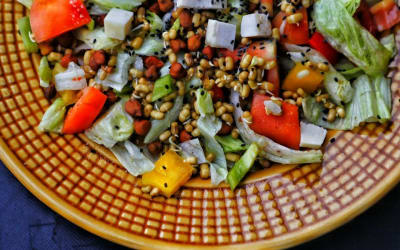
VGLP-1 Friendly High-Protein Lentil and Roasted Vegetable Salad with Feta
 V
VMenopause Weight Loss: Edamame & Quinoa Miso Bowl

Turmeric and Ginger Salmon Curry with Brown Rice
 V
VMediterranean Orzo, Bean & Butternut Squash Salad

Wholewheat Chicken Couscous with Chickpea Soup


