
Menopause Nutritionist
Menopause is a natural and inevitable stage of life, yet for many women it brings a constellation of symptoms that can significantly affect quality of life. From hot flushes and night sweats to unexplained weight gain, low mood, brain fog, and disrupted sleep, the hormonal changes that accompany perimenopause and menopause can feel overwhelming. What is often overlooked, however, is the profound role that nutrition plays – not only in managing these symptoms but in protecting long-term health as oestrogen levels decline.
Get your free 1-day Menopause meal plan
Designed by a registered nutritionist – breakfast, lunch, dinner and snacks

As a registered nutritionist (MBBS, MSc, AfN Registered), I provide personalised, evidence-based nutrition support for women navigating perimenopause and menopause. My approach is grounded in the latest scientific research and tailored to your individual symptoms, health history, dietary preferences, and lifestyle. Whether you are experiencing your first perimenopausal symptoms or are well into post-menopause, targeted dietary changes can make a remarkable difference to how you feel day to day – and to your health in the decades ahead.
All consultations are available online, making specialist menopause nutrition support accessible wherever you are in the UK or worldwide. You can view the full range of consultation packages and pricing here.
Understanding How Menopause Affects Your Nutritional Needs
Menopause is defined as the point at which a woman has not had a menstrual period for twelve consecutive months. The average age of menopause in the UK is 51, though perimenopause – the transitional phase when hormonal fluctuations begin – can start anywhere from the late 30s to the mid-40s and may last several years. During this time, levels of oestrogen and progesterone fluctuate unpredictably before eventually declining.
These hormonal changes have wide-ranging effects on metabolism, body composition, bone density, cardiovascular health, and mental wellbeing. Oestrogen, in particular, plays a protective role in numerous bodily systems, and its decline creates specific nutritional vulnerabilities that must be addressed proactively.
Metabolic changes and weight distribution
Declining oestrogen levels are associated with a shift in body fat distribution, with an increased tendency to store visceral fat around the abdomen rather than on the hips and thighs. This central adiposity is not merely a cosmetic concern – visceral fat is metabolically active and is associated with increased risk of cardiovascular disease, insulin resistance, and type 2 diabetes. Research published in Climacteric (the journal of the International Menopause Society) has demonstrated that the menopausal transition is an independent risk factor for increased abdominal fat, regardless of age or other variables.
Basal metabolic rate also tends to decrease during and after menopause, partly due to age-related loss of lean muscle mass (sarcopenia) and partly due to hormonal changes that affect how the body processes energy. This means that dietary patterns which maintained a healthy weight in your 30s may no longer be sufficient. A targeted nutritional approach is essential – one that addresses these metabolic shifts without resorting to restrictive dieting, which can actually worsen muscle loss and metabolic slowdown. For a deeper exploration of this topic, I have written a detailed guide on menopause and weight gain.
Bone health and osteoporosis risk
Oestrogen plays a critical role in maintaining bone density by regulating the activity of osteoblasts (bone-building cells) and osteoclasts (bone-resorbing cells). When oestrogen levels fall, bone resorption accelerates, and women can lose up to 20% of their bone density in the five to seven years following menopause, according to the Royal Osteoporosis Society. This dramatically increases the risk of osteoporosis and fragility fractures, particularly of the hip, spine, and wrist.
Adequate calcium and vitamin D are essential, but bone health nutrition extends far beyond these two nutrients. Protein, magnesium, vitamin K2, zinc, and phosphorus all contribute to bone metabolism. A well-planned diet that supplies these nutrients in bioavailable forms is one of the most effective non-pharmacological strategies for protecting skeletal health during and after menopause.
Cardiovascular risk
Before menopause, women have a lower risk of cardiovascular disease compared to men of the same age – a protective effect largely attributed to oestrogen. After menopause, this risk rises significantly, and heart disease becomes the leading cause of death in women over 60 in the UK. Changes in lipid profiles are common during the menopausal transition, with increases in LDL cholesterol and triglycerides and decreases in HDL cholesterol. Nutritional strategies that support cardiovascular health – including increasing omega-3 fatty acids, soluble fibre, and plant sterols while reducing saturated fat and ultra-processed foods – become particularly important during this period.
Key Nutritional Strategies to Support You During Menopause
Every woman experiences menopause differently, and there is no single diet that suits everyone. However, certain evidence-based nutritional principles have been shown to help manage common menopausal symptoms and support long-term health. Here are the core strategies I draw upon when creating personalised plans for my clients.
Prioritising protein for muscle and metabolic health
Protein requirements increase with age, yet many women inadvertently reduce their protein intake as they get older. The European Society for Clinical and Economic Aspects of Osteoporosis and Osteoarthritis (ESCEO) recommends that older adults consume at least 1.0 to 1.2 grams of protein per kilogram of body weight per day, compared to the standard adult recommendation of 0.75 g/kg. Adequate protein intake is essential for preserving lean muscle mass, supporting bone health, maintaining metabolic rate, and promoting satiety – all of which are particularly relevant during menopause.
I work with clients to distribute protein evenly across meals, as research suggests that a threshold of approximately 25 to 30 grams of protein per meal is needed to optimally stimulate muscle protein synthesis. This might mean rethinking breakfast habits, as many traditional British breakfast choices (toast and cereal, for example) are low in protein. Practical, enjoyable strategies for increasing protein intake are a central part of the plans I create.
Phytoestrogens and plant-based compounds
Phytoestrogens are naturally occurring plant compounds that can exert mild oestrogenic effects in the body. The main dietary sources are isoflavones (found in soya products such as tofu, tempeh, edamame, and soya milk) and lignans (found in flaxseeds, sesame seeds, and wholegrains). A systematic review and meta-analysis published in JAMA found that soya isoflavone supplements reduced the frequency of hot flushes by approximately 26% and their severity by approximately 20%.
While the evidence is promising, it is important to note that individual responses to phytoestrogens vary considerably – partly due to differences in gut microbiome composition, which affects the metabolism of isoflavones into their active form, equol. I take a personalised approach, incorporating phytoestrogen-rich foods where appropriate and monitoring your response to determine the most effective level of intake for you.
Supporting mood and cognitive function
Mood disturbances, anxiety, and cognitive changes (often described as “brain fog”) are among the most distressing menopausal symptoms. Oestrogen influences serotonin and dopamine pathways in the brain, and its decline can contribute to these neurological changes. Nutrition can support brain health and mood through several mechanisms.
Omega-3 fatty acids, particularly EPA and DHA found in oily fish (salmon, mackerel, sardines, and herring), have well-established anti-inflammatory and neuroprotective effects. B vitamins – particularly B6, B12, and folate – are essential cofactors in neurotransmitter synthesis. Magnesium, which is involved in over 300 enzymatic reactions in the body, supports nervous system function and has been shown to improve sleep quality. Tryptophan-rich foods (turkey, chicken, eggs, nuts, and seeds) provide the precursor for serotonin production.
A Mediterranean-style dietary pattern, which is rich in these nutrients, has been associated with lower rates of depression and cognitive decline in observational studies. I draw on this evidence base while adapting recommendations to your individual food preferences and cultural background – South Asian, Middle Eastern and Mediterranean eating share many of the same strengths, and if that is how you eat, here is how I tailor plans to it.
Gut health and oestrogen metabolism
Emerging research has highlighted the role of the gut microbiome in oestrogen metabolism through a collection of bacteria known as the “estrobolome.” These bacteria produce beta-glucuronidase, an enzyme that influences how oestrogen is recycled or excreted by the body. A healthy, diverse gut microbiome may help optimise oestrogen levels during the menopausal transition.
Supporting gut health through a fibre-rich diet (aiming for 30 grams per day, as recommended by the Scientific Advisory Committee on Nutrition), fermented foods (yogurt, kefir, sauerkraut, kimchi), and prebiotic foods (garlic, onions, leeks, asparagus, bananas) can promote a healthy estrobolome. Gut health also directly affects nutrient absorption, immune function, and mood – all areas that benefit from attention during menopause.
Blood sugar balance and energy
Fluctuating oestrogen levels can affect insulin sensitivity, making blood sugar regulation more challenging during perimenopause and menopause. Many women notice increased sugar cravings, energy crashes, and difficulty concentrating – all of which can be linked to blood sugar instability.
Strategies to support stable blood sugar include pairing carbohydrates with protein and healthy fats, choosing lower-glycaemic-index foods, ensuring regular meal times, and including adequate fibre at each meal. These approaches can reduce cravings, improve sustained energy throughout the day, and support healthy weight management.
Nutrition for Healthy Ageing Beyond Menopause
Menopause is not an endpoint – it is a transition into a new phase of life that can be vibrant, active, and fulfilling. The dietary choices you make during and after menopause have a profound impact on your long-term health, influencing your risk of osteoporosis, cardiovascular disease, type 2 diabetes, cognitive decline, and certain cancers.
I work with clients to build sustainable eating patterns that not only address immediate symptoms but also lay the foundations for healthy ageing. This includes attention to anti-inflammatory foods, antioxidant-rich fruits and vegetables, adequate hydration, and limiting ultra-processed foods – which have been increasingly linked to adverse health outcomes in epidemiological research.
For more on this topic, you may find my article on healthy ageing and nutrition helpful. It covers the broader dietary principles that support vitality and disease prevention as we age.
Alcohol and menopause
Alcohol consumption deserves special consideration during menopause. Even moderate alcohol intake can exacerbate hot flushes, disrupt sleep architecture, contribute to weight gain, and increase breast cancer risk. The UK Chief Medical Officers’ guideline of no more than 14 units per week applies, but many women find that reducing alcohol further during menopause leads to noticeable symptom improvement. I take a pragmatic, non-judgemental approach – helping you make informed choices about alcohol that align with your health goals and social preferences.
Hydration and skin health
Declining oestrogen levels affect collagen production and skin hydration, contributing to dryness and changes in skin elasticity. While nutrition cannot reverse these changes entirely, adequate hydration (aiming for six to eight glasses of fluid daily), vitamin C (essential for collagen synthesis), and omega-3 fatty acids can support skin health from within. Limiting caffeine and alcohol, both of which have diuretic effects, can also help maintain hydration status.
What to Expect in a Menopause Nutrition Consultation
My menopause nutrition consultations are thorough, personalised, and designed to give you a clear, actionable plan. Here is how the process works.
Free 15-minute introductory call
Before we begin, I offer a complimentary 15-minute call so we can discuss your symptoms, goals, and any questions you may have. This is an opportunity to find out whether my approach is the right fit for you – with absolutely no obligation.
Initial consultation (60 minutes)
During your first full consultation, I conduct a comprehensive assessment that includes:
- A detailed review of your current menopausal symptoms, their severity, and how they affect your daily life
- A thorough dietary assessment, including your typical eating patterns, food preferences, intolerances, and any previous diets you have tried
- Discussion of your medical history, current medications (including HRT), and any health information shared by your GP
- Assessment of your lifestyle factors – sleep patterns, stress levels, physical activity, alcohol and caffeine intake
- Exploration of your goals, whether that is symptom management, weight loss, improved energy, better sleep, or long-term health protection
- An understanding of your daily routine, cooking skills, and household dynamics to ensure any plan is realistic and sustainable
Following this consultation, I create a personalised nutrition plan designed to support your overall health and wellbeing. This plan includes practical meal suggestions, shopping lists where helpful, and general information on nutrients that are particularly important during menopause.
Follow-up consultations
Menopause is a dynamic process, and your nutritional needs may evolve over time. Follow-up sessions allow us to review your progress, troubleshoot any challenges, adjust your plan as symptoms change, and address new goals as they arise. Many clients find that a series of four to six sessions over three to six months provides the structure and accountability needed to make lasting changes.
All consultations take place via secure video call, and you will receive written summaries and resources after each session. Visit my services page for details on consultation packages, or contact me if you have any questions before booking.
Frequently Asked Questions
Ready to Take Control of Your Menopause Symptoms?
Book a free 15-minute introductory call to discuss your needs and find out how personalised nutrition support can help you navigate menopause with confidence.
Free 1-Day Menopause Meal Plan
A practical, vegetarian-friendly meal plan with non-vegetarian swaps, created by a registered nutritionist. Includes a shopping list, nutrition breakdown and tips.
- 4 meals with full recipes
- Vegetarian and non-vegetarian options
- Shopping list with tick boxes
- Full nutrition breakdown
- 4 evidence-based nutrition tips
Menopause Recipes
Our recipes are predominantly vegetarian and designed to support hormonal health, insulin sensitivity, and overall wellbeing. Browse the full collection on the Recipes page.
 V
VGreen Spinach, Ginger, Flaxseed & Banana Smoothie
 V
VSpiced Scrambled Paneer with Spinach & Tomatoes
 V
VGut-Friendly Kefir and Berry Breakfast Bowl with Oats, Flaxseed and Honey
 V
VGrilled Halloumi & Quinoa Bowl with Lemon Dressing
 V
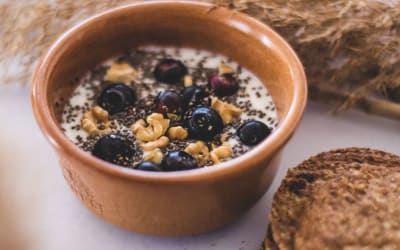
VCinnamon and Walnut Greek Yogurt Bowl with Flaxseed & Berries

Grilled Salmon & Avocado Rice Bowl with Sesame Dressing – Menopause-Friendly Omega-3 Boost