PCOS (PMOS) Nutritionist
Polycystic ovary syndrome (PCOS) – recently renamed Polyendocrine Metabolic Ovarian Syndrome (PMOS) following a global consensus published in The Lancet in 2026 – is one of the most common hormonal conditions affecting women of reproductive age, estimated to impact between eight and thirteen per cent of women in the United Kingdom. You may also see the older term polycystic ovarian disease (PCOD); all three names describe the same condition, and the nutritional approach is the same. The new name better reflects the metabolic and endocrine nature of the condition, rather than focusing on ovarian cysts, which not everyone with the condition has. Despite its prevalence, the condition remains widely misunderstood, and many women spend years navigating conflicting advice before receiving an accurate diagnosis – let alone effective support.
Get your free 1-day PCOS meal plan
Designed by a registered nutritionist – breakfast, lunch, dinner and snacks. Plus a full 7-day toolkit available

As a registered nutritionist with a medical background (MBBS, MSc, AfN Registered), I use my understanding of endocrinology and metabolic health to provide practical, evidence-based nutrition guidance for women living with PCOS/PMOS. Whether you are dealing with irregular periods, weight changes, acne, excess hair growth, fatigue, or simply want to eat in a way that supports your hormonal wellbeing, thoughtful dietary changes can make a real difference.
Consultations are available online to clients right across the UK, including London, where I lived and worked for several years before relocating to Yorkshire – as well as in-person locally across South and North Yorkshire by arrangement. Wherever you are based, you get the same thorough, personalised support.
International clinical guidelines – including those published by the European Society of Human Reproduction and Embryology (ESHRE) and the Androgen Excess and PCOS Society – consistently identify lifestyle modification, including dietary intervention, as the first-line treatment for PCOS. This is not a secondary or complementary approach; it is the foundation upon which effective PCOS management is built.
Understanding PCOS and the Role of Nutrition
PCOS is a complex endocrine disorder characterised by a combination of hormonal imbalances, metabolic dysfunction, and reproductive irregularities. The Rotterdam criteria, which are the most widely used diagnostic framework, require the presence of at least two of the following three features: oligo-ovulation or anovulation (irregular or absent periods), clinical or biochemical hyperandrogenism (elevated male hormones), and polycystic ovarian morphology on ultrasound.
What many women are not told at diagnosis is that insulin resistance sits at the heart of PCOS pathophysiology for the majority of those affected – an estimated sixty-five to eighty per cent of women with PCOS demonstrate some degree of insulin resistance, regardless of their body weight. When the body’s cells become less responsive to insulin, the pancreas compensates by producing more of it. Elevated insulin levels (hyperinsulinaemia) directly stimulate the ovaries to produce excess androgens, which in turn drive many of the hallmark symptoms: acne, hirsutism, hair thinning, and disrupted ovulation.
This is precisely where nutrition becomes so powerful. The foods we eat have a direct and measurable impact on insulin secretion, insulin sensitivity, systemic inflammation, and gut microbiome composition – all of which are implicated in PCOS. By making targeted, evidence-based dietary changes, we can address these underlying drivers rather than simply masking symptoms with medication.
Chronic low-grade inflammation is another key feature of PCOS that responds well to dietary intervention. Research published in the Journal of Clinical Endocrinology and Metabolism has demonstrated that women with PCOS have elevated markers of inflammation, including C-reactive protein (CRP) and interleukin-6 (IL-6), which contribute to both metabolic and reproductive dysfunction. An anti-inflammatory dietary pattern – rich in omega-3 fatty acids, polyphenols, fibre, and antioxidants – can help to modulate this inflammatory response.
My Approach to PCOS Nutrition
I do not believe in one-size-fits-all meal plans or restrictive diets that leave you feeling deprived. PCOS presents differently in every woman, and your nutrition plan should reflect your unique hormonal profile, metabolic status, symptoms, food preferences, cultural background, and lifestyle. My approach is built on four core pillars:
1. Supporting Insulin Sensitivity Through Diet
Because insulin resistance is the primary metabolic driver for the majority of women with PCOS/PMOS, supporting insulin sensitivity through diet is central to my approach. This involves thoughtful carbohydrate management – not carbohydrate elimination, which is unnecessary and often counterproductive. I can help you understand how to choose lower-glycaemic-index carbohydrate sources, pair them with protein and healthy fats to support a steadier blood sugar response, and establish meal patterns that work for your daily routine.
Research highlights several nutrients that may support insulin sensitivity, including inositol, chromium, magnesium, and alpha-lipoic acid. If you are considering supplements, I can help you understand the evidence and would recommend discussing specific products and dosages with your GP who can assess your clinical needs.
2. Reducing Chronic Inflammation
An anti-inflammatory dietary framework forms the backbone of PCOS nutrition support. This means increasing your intake of omega-3 fatty acids from oily fish (salmon, mackerel, sardines), walnuts, and flaxseeds; incorporating a wide range of polyphenol-rich fruits and vegetables; choosing extra virgin olive oil as your primary cooking fat; and including anti-inflammatory spices such as turmeric and ginger regularly in your meals.
Equally important is identifying and reducing pro-inflammatory dietary components. Ultra-processed foods, excess refined sugars, industrial seed oils high in omega-6 fatty acids, and excessive alcohol all contribute to systemic inflammation. I will work with you to find practical, enjoyable ways to shift the balance of your diet towards anti-inflammatory choices without making you feel as though you are on a restrictive regime.
3. Eating to Support Hormonal Wellbeing
Beyond insulin, several other aspects of your health are relevant to living well with PCOS/PMOS. Stress and cortisol levels can influence how your body handles blood sugar. Thyroid health shares symptoms with PCOS and is worth being aware of. Oestrogen metabolism is influenced by gut health, fibre intake, and the foods you eat daily.
I help you take a practical, whole-diet view of your nutrition – ensuring you are eating enough protein, getting plenty of fibre (aiming for at least 30 grams daily), and including foods such as flaxseeds, cruciferous vegetables, and fermented foods where they suit your preferences. These are general dietary strategies supported by nutrition research, not clinical prescriptions. For any hormonal concerns that need medical investigation, I would always recommend working with your GP or endocrinologist.
4. Supporting Gut Health
Emerging research has identified significant differences in the gut microbiome of women with PCOS/PMOS compared with those without the condition. Studies published in Nature Medicine and The Journal of Clinical Investigation suggest that gut dysbiosis may contribute to the systemic inflammation and metabolic dysfunction seen in PCOS. A less diverse gut microbiome has been associated with poorer metabolic outcomes.
I can help you work towards greater microbial diversity through practical dietary changes: eating a wider variety of plant foods (aiming for thirty different plant species per week), incorporating fermented foods such as live yogurt, kefir, sauerkraut, and kimchi, and gradually increasing your fibre intake. If you are experiencing digestive symptoms such as bloating, I can provide general dietary guidance and, where needed, recommend you speak to your GP for further assessment. You can read more on our gut health page.
What to Expect in Your PCOS/PMOS Nutrition Consultation
I understand that by the time many women seek nutrition support for PCOS/PMOS, they have already tried multiple diets, read conflicting information online, and may feel frustrated or overwhelmed. My consultations are designed to be supportive, practical, and completely non-judgemental.
Before Your First Appointment
Once you book your initial consultation, I will send you a pre-consultation questionnaire covering your current symptoms, typical dietary intake, lifestyle factors (sleep, stress, physical activity), and your goals. It is also helpful if you can share any information your GP has given you about your diagnosis, so I can tailor my general nutrition guidance accordingly.
Your Initial Consultation (60 Minutes)
During our first session, we will review your questionnaire responses and discuss how your current diet and lifestyle may be contributing to your symptoms. I will help you understand the role that nutrition plays in supporting hormonal wellbeing, and together we will identify your key priorities and agree on a realistic, step-by-step action plan.
Following the consultation, you will receive practical, written nutrition guidance tailored to your needs. This includes dietary recommendations with food lists and portion guidance, practical meal ideas and recipes suited to your preferences and cooking confidence, and lifestyle suggestions covering sleep, stress management, and physical activity. If your situation would benefit from clinical dietary intervention or specific supplementation, I will refer you to a registered GP.
Follow-Up Sessions (30–45 Minutes)
PCOS/PMOS is a long-term condition, and sustainable change takes time. Follow-up sessions allow us to review your progress, troubleshoot any challenges, and adjust your guidance as needed. I typically recommend follow-ups at two to four week intervals initially, moving to monthly or as-needed sessions as you build confidence and see results.
Between sessions, I am available via email for quick queries, and I provide ongoing resources including recipe suggestions, educational materials, and updates on the latest nutrition research relevant to PCOS/PMOS.
Specific PCOS Concerns I Support
Every woman with PCOS has different priorities. Below are some of the specific concerns I regularly work with:
- Weight management and body composition: PCOS can make weight loss more challenging due to insulin resistance and hormonal imbalances. I provide strategies that work with your metabolism rather than against it, focusing on sustainable fat loss while preserving lean muscle mass.
- Menstrual cycle regulation: Irregular or absent periods are one of the most distressing symptoms of PCOS. Nutritional strategies that improve insulin sensitivity and reduce inflammation can help restore more regular ovulatory cycles over time.
- Fertility and preconception nutrition: If you are trying to conceive, I can support you with general nutrition guidance to help you eat well during this time, including understanding which food groups and nutrients are particularly important. For specific clinical fertility support, I would recommend discussing this with your GP.
- Skin health and acne: Hormonal acne driven by elevated androgens and inflammation can respond well to dietary intervention, particularly strategies targeting insulin, gut health, and zinc status.
- Energy and fatigue: Many women with PCOS experience persistent fatigue related to blood sugar dysregulation, nutrient deficiencies, or poor sleep quality. A targeted nutrition plan can address all of these contributing factors.
- Mental health and mood: Research increasingly links PCOS with higher rates of anxiety and depression. Nutritional strategies supporting gut-brain axis function, blood sugar stability, and anti-inflammatory pathways can positively influence mood and emotional wellbeing.
- Long-term metabolic health: Women with PCOS have an increased lifetime risk of developing type 2 diabetes, cardiovascular disease, and non-alcoholic fatty liver disease. Proactive dietary management can significantly reduce these risks.
PCOS in South Asian Women
Insulin resistance is central to PCOS, and it is more common – and often more pronounced – in South Asian women, who also tend to develop metabolic complications at a lower BMI. A South Asian diet can support PCOS very well: it is often already vegetarian, pulse-rich and vegetable-forward. The work is usually in the balance – portioning rice and roti, choosing lower-GI flours, spreading protein through the day, and being realistic about ghee, sweets, festivals and fasting rather than banning them.
I build PCOS plans around the food you already cook. If that is South Asian, Middle Eastern or vegetarian-first eating, see how culturally-tailored consultations work, or read Ghee and PCOS, Is Paneer Good for PCOS?, PCOS in South Asian Women, A Middle Eastern Diet for PCOS and A Vegetarian PCOS Plate.
Why Choose a Nutritionist with a Medical Background?
PCOS/PMOS sits at the intersection of hormonal health, metabolic wellbeing, and nutrition. Having both a medical background (MBBS) and a specialist postgraduate qualification in human nutrition (MSc) means I understand the broader health context of your condition and can communicate effectively with your GP, endocrinologist, or GP to ensure joined-up care. While interpreting blood results and prescribing clinical diets falls outside the nutritionist scope, my medical training helps me understand your situation and provide well-informed general nutrition guidance.
As a Registered Nutritionist with the Association for Nutrition (AfN), I am bound by professional standards of evidence-based practice and continuing professional development. You can be confident that every recommendation I make is grounded in the best available scientific evidence, not trends or fads.
To learn more about my qualifications and approach, visit the About page. For details on consultation packages and pricing, see the Services page. If you have questions before booking, please do not hesitate to get in touch.
I regularly share evidence-based nutrition insights on the blog, including articles on hormonal health, gut health, and practical dietary strategies that may be relevant to your PCOS journey.
Frequently Asked Questions
Estimate Your Fertile Window
As covered above, fertility is a clinical matter best managed alongside your GP, gynaecologist, or a fertility specialist – but if you are trying to understand your cycle better, this free tool estimates your fertile window and next predicted period based on your average cycle length.
This is a general estimate based on average cycle physiology, not a diagnosis. It becomes less reliable if your cycles are irregular, which is common with PCOS/PMOS, and it does not diagnose or treat fertility issues or PCOS/PMOS. All dates are calculated on your device and are never stored or sent anywhere. Try the full Ovulation & Fertile Window Calculator, or book a consultation for general nutrition guidance alongside your medical care.
Ready to Take Control of Your PCOS/PMOS?
Book a free 15-minute introductory call to discuss your concerns, ask questions, and find out how practical nutrition guidance can support your wellbeing – or go straight to a full consultation.
Free 1-Day PCOS Meal Plan
A practical, vegetarian-friendly meal plan with non-vegetarian swaps, created by a registered nutritionist. Includes a shopping list, nutrition breakdown and tips.
- 4 meals with full recipes
- Vegetarian and non-vegetarian options
- Shopping list with tick boxes
- Full nutrition breakdown
- 4 evidence-based nutrition tips
PCOS-Friendly Recipes
Our recipes are predominantly vegetarian and designed to support hormonal health, insulin sensitivity, and overall wellbeing. Browse the full collection on the Recipes page.
 V
VGut-Friendly Kefir and Berry Breakfast Bowl with Oats, Flaxseed and Honey
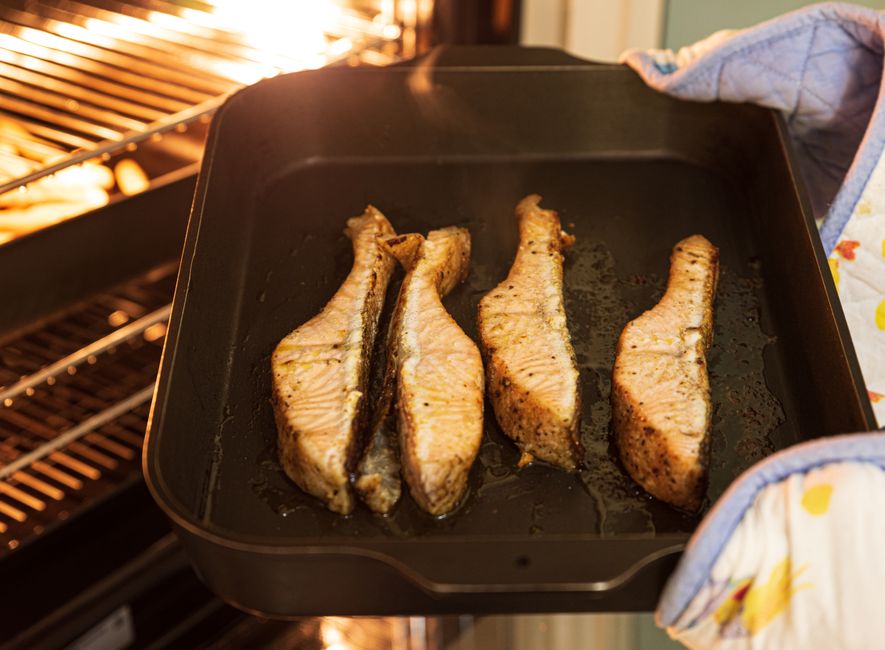
PCOS-Friendly Baked Salmon with Beetroot & Lentils
 V
VChia Seed & Mango Pudding
 V
VOven-Baked Falafel Bowl with Hummus & Tahini Dressing
 V
VCaramelised Japanese Miso Aubergine with Edamame Rice
 V
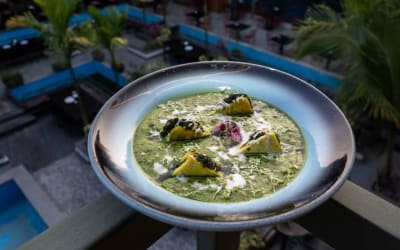
VSpiced Scrambled Paneer with Spinach & Tomatoes