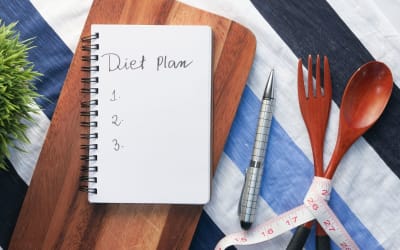
As a registered public health nutritionist, I often get asked about how to create a healthy meal plan on a budget. With the rising cost of living, it can be challenging to prioritise healthy eating while managing your finances. However, with a little planning and creativity, it is possible to create a weekly meal plan that is both nutritious and affordable.
When it comes to meal planning, it's essential to consider your dietary needs and preferences. For example, if you're trying to manage your weight, you may want to focus on weight loss friendly foods like lean proteins, whole grains, and plenty of fruits and vegetables. On the other hand, if you're experiencing symptoms of menopause, you may want to incorporate foods that support menopause nutrition, such as omega-3 rich foods and calcium-rich dairy products.
Understanding Your Dietary Needs
Before you start planning your meals, it's crucial to understand your dietary needs. This includes considering any health conditions you may have, such as diabetes nutrition requirements or gut health needs. You should also think about your lifestyle and preferences, including your budget, cooking skills, and the amount of time you have available for meal preparation.
Once you have a clear understanding of your dietary needs, you can start planning your meals. A good place to start is by creating a list of healthy, affordable foods that you enjoy eating. This can include staples like brown rice, quinoa, and canned beans, as well as fresh fruits and vegetables. You can also consider purchasing frozen or canned versions of your favorite fruits and vegetables, which can be just as nutritious as fresh options but often more affordable.
Meal Planning on a Budget
When it comes to meal planning on a budget, there are several strategies you can use to save money. One of the most effective ways to reduce your food budget is to plan your meals around what's in season. This can help you save money on fresh produce, which can be expensive when it's out of season. You can also consider buying in bulk and planning your meals around staples like beans, grains, and lean proteins. For example, if you're trying to manage PCOS nutrition, you may want to focus on whole, unprocessed foods like vegetables, fruits, and whole grains.
In addition to planning your meals, it's also essential to consider your cooking skills and the amount of time you have available for meal preparation. If you're short on time, you may want to focus on simple, one-pot meals like stir-fries or soups. You can also consider investing in a slow cooker, which can be a great way to prepare healthy meals with minimal effort. For families with children's nutrition needs, it's essential to involve your kids in the meal planning process and make healthy eating fun and engaging.
Getting Support with Meal Planning
If you're struggling to create a healthy meal plan on a budget, consider seeking support from a registered nutritionist or . They can help you develop a personalised meal plan that takes into account your dietary needs, lifestyle, and budget. You can also consider seeking support from online resources, such as GLP-1 support groups or online forums. For those who need more personalised guidance, an online consultation can be a convenient and accessible option.
Wondering how this applies to you specifically?
If you're looking for ready-made recipe ideas to build your meal plan around, Fiver Feasts has budget-friendly recipes with the cost per serving already worked out for you.
The '50/50 Protein Swap' and Reverse Planning Strategy
In my practice, I guide clients through a practical two-step framework designed to lower weekly shop costs without sacrificing nutritional quality: reverse meal planning and the 50/50 protein swap. Rather than starting your weekly planning with a blank shopping list, audit your pantry, fridge, and freezer first, building three to four meals around core ingredients you already possess. When purchasing fresh lean meats, such as minced turkey or extra-lean beef, I recommend replacing 50% of the meat in recipes like bolognese, chilli, or shepherd's pie with cooked red lentils, canned black beans, or finely diced mushrooms. In line with UK public health guidance encouraging higher plant-food intake, this single adjustment dramatically reduces the cost per portion while helping you comfortably move toward the recommended 30g daily fibre target.
To prevent food waste – which accounts for a significant portion of household food expenditure – I often advise prepping versatile base components rather than rigid, pre-assembled meals. Spending 60 to 90 minutes batch-cooking foundational ingredients gives you maximum meal flexibility throughout a busy week:
- Prep two complex carbohydrate bases: Cook a large pot of brown rice, pearl barley, or wholewheat pasta to store safely in the fridge for up to three days or freeze in single-serve portions.
- Roast a tray-bake of seasonal vegetables: Toss diced root vegetables, squash, or brassicas in a little olive oil and herbs to use across salads, warm grain bowls, or omelettes.
- Simmer a dual-purpose legume base: Prepare a spiced tomato, lentil, and bean base that can be served over grain bowls on Monday, used as a baked potato topping on Wednesday, and folded into wholemeal wraps on Friday.
Adopting these structured systems ensures your nutrition remains consistent and nutrient-dense regardless of your budget. If you are managing specific clinical markers or diagnosed medical conditions, such as type 2 diabetes or cardiovascular disease, please ensure you discuss any major dietary shifts with your GP to ensure your plan aligns with your individual care.
For related reading, see my posts on cheap healthy meals: how to eat well during the cost of living crisis and sustainable healthy eating: how to eat well for health and the planet.
When you find yourself throwing away wilted veg by Thursday or staring at overpriced single-use ingredients, off-the-shelf budget tips reach their limit. If you want to turn your weekly shop into a waste-free, highly nourishing routine tailored to your household's real budget, book a consultation on my services page or write to me via the contact form.