Insulin resistance is common in women with PCOS, regardless of body weight, and it's one of the most common questions I get asked in consultations: "which foods should I avoid?" My honest answer is usually more nuanced than a simple avoid list, but there are some useful patterns worth understanding, and once you grasp the "why" behind them, the changes tend to feel far more manageable than a restrictive rulebook.
Why Insulin Resistance Matters in PCOS
When your cells become less responsive to insulin, your body compensates by producing more of it. Higher insulin levels may in turn stimulate the ovaries to produce more androgens, which can contribute to symptoms like irregular cycles, acne and excess hair growth. This is why food choices that support steadier blood sugar are one of the most talked-about nutrition areas in PCOS.
It's worth saying clearly: insulin resistance isn't something you caused, and it isn't something food alone can "fix" overnight. Progress is rarely linear, and I always encourage clients to think in terms of weeks and months, not days.
Foods That Tend to Spike Blood Sugar Sharply
Rather than eliminating entire food groups, I encourage my clients to notice which foods cause the sharpest spikes and pair or moderate them rather than avoid them outright:
- Refined carbohydrates eaten alone: white bread, white rice and sugary cereals cause a faster rise in blood sugar, particularly on an empty stomach. Pairing them with protein, fibre or healthy fat softens this response.
- Sugary drinks: fruit juice, sugary tea and soft drinks deliver a lot of fast-absorbing sugar with little to slow it down. Whole fruit is a better choice, as the fibre slows absorption.
- Highly processed snack foods: these are often low in fibre and protein, and easy to eat past the point of fullness.
- Large portions of starchy carbohydrates at once: even wholegrain carbohydrates can raise blood sugar quickly if the portion is large and eaten without protein or fat alongside it.
What to Build Meals Around Instead
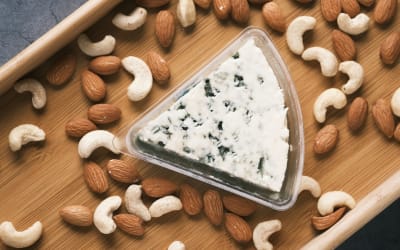
Rather than focusing on restriction, I find it more useful, and more sustainable, to focus on what to add. Protein at every meal, plenty of fibre from vegetables, pulses and wholegrains, and healthy fats from olive oil, nuts and oily fish all help slow glucose absorption and may support insulin sensitivity over time.
The order in which you eat your food can help too: having vegetables and protein before refined carbohydrates in a meal has been shown to soften the blood sugar response compared with eating carbohydrates first. My Mediterranean halloumi and quinoa bowl and spiced roasted chickpeas are both built around this idea: protein and fibre together, rather than refined carbohydrates alone.
Movement matters too: even a short walk after a meal can help your body deal with the glucose from that meal, and it's a change many of my clients find easier to sustain than an overhaul of their entire diet.
Consistency Over Perfection
I also encourage clients to pay attention to sleep and stress alongside food, since both influence insulin sensitivity independently of diet. Poor sleep has been associated with reduced insulin sensitivity the following day, and chronic stress can raise cortisol in ways that also affect blood sugar. This doesn't mean food doesn't matter, but someone who is eating well and sleeping four hours a night may still struggle to see the changes they're hoping for from food alone. I like to look at the whole picture in consultations.
What About Weight?
Not every woman with PCOS and insulin resistance is in a larger body, and not every food change needs to be framed around weight loss. Some of my clients come in wanting support with fertility, skin or cycle regularity rather than weight, and the same food principles of protein, fibre and balanced meals apply regardless of the goal. I always tailor the conversation to what matters most to you.
One pattern I see often is trying to overhaul everything at once, which rarely lasts. I find far more success when we start with one or two meals a day and build from there, such as swapping breakfast for something with more protein and fibre. I've put together a full set of hormone-friendly PCOS breakfast ideas to get you started.
A Note on Supplements and Medication
Some clients ask about supplements, or about medicines for insulin resistance. I work alongside your doctor, who looks after blood tests and medication, while I focus on food and everyday habits.
Tracking Progress Beyond the Scale
When working with clients on insulin resistance, I encourage tracking progress through a wider lens than weight alone: energy levels, cycle regularity, skin changes and how satisfied you feel after meals are all meaningful. Change can take several months, so patience and celebrating the non-scale changes along the way both help.
If you are doing everything "right", such as swapping to wholegrains, and still fight 3pm sugar cravings and post-lunch brain fog, a personal look at your meals can help. Explore my PCOS nutrition support or book a consultation via my contact page so we can build a practical, food-first plan together.