Have you noticed your physician discussing DEXA scans or bone density markers now that you have transitioned past menopause? It is a common moment of concern for many of my clients. The drop in oestrogen during and after menopause directly impacts how your body maintains skeletal strength, making bone preservation a top priority. If you follow a vegetarian or plant-first diet, you might wonder whether you can get enough calcium and support your skeleton without relying heavily on dairy.
In my online practice, I work with women navigating menopause nutrition who want to maintain robust bone strength while sticking to their plant-focused eating habits. The good news is that strong bones do not require meat or massive amounts of cheese. By understanding how calcium, vitamin D, and key minerals interact on a plant-first plate, you can build an eating strategy that keeps your frame strong and resilient for decades to come.
Why Menopause Accelerates Bone Loss
Oestrogen plays a crucial protective role in bone remodeling by slowing down the natural breakdown of skeletal tissue. When oestrogen levels decline sharply post-menopause, bone resorption outpaces the formation of new bone matrix. In fact, women can lose up to 20% of their bone density in the five to seven years immediately following menopause.*
UK guidelines recommend a baseline calcium intake of 700mg per day for adults, but during the post-menopausal years, maintaining consistent intake alongside optimal absorption becomes even more vital. If you have been diagnosed with osteopenia or osteoporosis, or have a family history of bone fragility, I recommend discussing any significant dietary modifications or bone health concerns with your GP.
Key Plant Foods High in Bioavailable Calcium
When people think of calcium, dairy products often top the list. However, many plant foods provide generous amounts of calcium alongside fibre, antioxidants, and anti-inflammatory compounds. It is not just about how much calcium a food contains, but how well your body absorbs it. Foods rich in oxalates (like spinach and rhubarb) bind to calcium and reduce its bioavailability, whereas low-oxalate greens offer remarkably high absorption rates.
To build a solid foundation, focus on incorporating a wide variety of these plant sources into your daily meals:
- Calcium-fortified plant milks and yoghurts: Ensure your plant dairy alternative contains added calcium carbonate or tricalcium phosphate, providing around 120mg of calcium per 100ml.
- Calcium-set tofu: Tofu prepared with calcium sulphate is one of the most potent plant-based sources, supplying up to 350mg of calcium per 100g serving.
- Low-oxalate green vegetables: Pak choi, kale, spring greens, and broccoli provide calcium that your body absorbs easily.
- Seeds and nuts: Tahini (sesame seed paste), chia seeds, and almonds provide concentrated mineral density. For more ideas on plant-based calcium, explore my guide on calcium-rich foods beyond dairy.
- Pulses and legumes: White beans, chickpeas, and edamame beans contribute both calcium and valuable plant protein.
The Calcium Synergy: Vitamin D, Magnesium, and Vitamin K2
Calcium cannot protect your bones in isolation. In my consultations, I often remind clients that bone health relies on a nutrient synergy team. Without sufficient vitamin D, your gut can only absorb a fraction of the calcium you consume. In the UK, public health guidelines advise everyone to consider a daily 10-microgram vitamin D3 supplement during autumn and winter, and year-round for those with limited sun exposure or darker skin tones. You can read more in my guide on the importance of Vitamin D.
Magnesium is another essential partner that helps convert vitamin D into its active form and contributes to the structural matrix of bone tissue. Excellent vegetarian sources include pumpkin seeds, whole grains, cashews, and dark chocolate. Meanwhile, vitamin K2 – found in fermented foods like natto, certain cheeses, and fermented plant foods – helps direct calcium into the bone architecture rather than letting it settle in arterial walls.
Protein and Muscle Strength: Protecting Your Frame
Dietary protein is often overlooked in discussions about post-menopausal bone health. Bones are composed of roughly 50% protein by volume, forming the collagen matrix upon which calcium and phosphorus deposit. A common misconception is that plant protein causes bone loss by leaching minerals; evidence demonstrates that adequate protein intake actually enhances calcium absorption and supports muscle mass, reducing fall risk.
Ensuring you hit protein targets through a diverse plant-based nutrition guide pattern – combining lentils, beans, tofu, tempeh, nuts, and seeds – is key to sustaining both skeletal density and functional strength as you age.
Practical Steps for Your Daily Routine
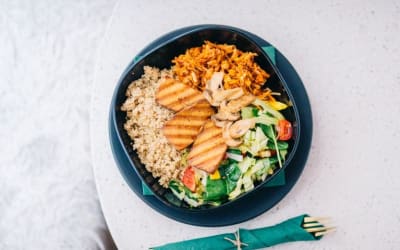
Translating bone nutrition into everyday habits does not need to feel overwhelming. Try starting your morning with calcium-set tofu scrambled with turmeric and kale, or a bowl of porridge made with calcium-fortified soya milk, topped with ground chia seeds and flaked almonds. For lunch, a vibrant grain bowl featuring quinoa, roasted pak choi, edamame, and a creamy tahini dressing packs a massive bone-supportive punch.
Remember that physical activity also plays a direct role. Weight-bearing and resistance exercises send physical signals to your bone cells to deposit minerals and strengthen their structural lattice. Combining targeted plant nutrition with regular strength training creates the optimal environment for lifelong bone vitality.
You might also find my post on menopause meal prep: batch cooking for hormones helpful.
You might also find my post on phytoestrogens for menopause: do they work? helpful.
You might also find my post on menopause bloating: the gut-oestrogen link helpful.
Navigating nutritional needs after menopause can feel complicated, especially when balancing a plant-first lifestyle with concerns about long-term bone density. If you would like tailored, evidence-based guidance designed around your personal diet, routine, and medical history, I invite you to explore my nutrition services or get in touch via my contact page to book a private online consultation today.