When clients come to my online practice after starting tirzepatide (commonly prescribed under the brand name Mounjaro), they are often amazed by how quickly their appetite drops. The constant food noise fades, fullness arrives after just a few bites, and weight loss begins. However, as a registered nutritionist, my main interest isn't just the speed of weight loss – it is the quality of the nourishment your body receives along the way. When you are eating noticeably less overall, every bite has to work harder.
Tirzepatide is a dual GLP-1 and GIP receptor agonist that slows gastric emptying and acts on brain signals to reduce hunger. While this can make eating less feel comfortable, it also means smaller meals, and smaller meals can naturally reduce your intake of micronutrients such as iron, vitamin B12, vitamin D, calcium, and zinc. Over time, shortfalls in these nutrients may contribute to tiredness, hair thinning, and weaker bones, although these signs have many possible causes.
In my practice, I frequently see people focusing exclusively on the scale while overlooking the quality of what they are eating. If you are taking tirzepatide, decisions about your dose, timing and any changes belong with your prescriber, and I work alongside your doctor on the food side, including any questions about blood tests or supplements.
Essential Micronutrients to Think About on Tirzepatide
To support your energy, muscle and bone health while losing weight on Mounjaro, these nutrients deserve regular attention through food:
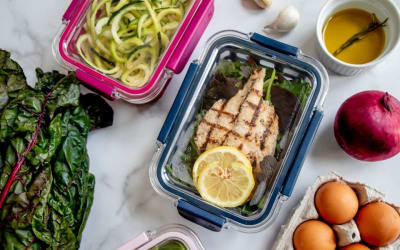
- Vitamin B12 & Iron: Eating less lean red meat, poultry, eggs or dark leafy greens can reduce your intake of iron and B12, which are linked with energy and healthy red blood cells.
- Calcium & Vitamin D: Weight loss places extra demands on bones, so regular calcium-containing foods alongside vitamin D sources matter for bone health.
- Zinc & Vitamin C: Involved in immune function, tissue repair and the health of hair follicles.
- Magnesium & Potassium: Involved in muscle function and bowel regularity, which can matter as tirzepatide slows digestion.
Practical Strategies to Make Every Bite Count
When appetite is muted, trying to eat large volumes of food is neither realistic nor comfortable. Instead, the focus shifts to nutrient density – packing vitamins, minerals and healthy fats into smaller, manageable meals. I usually suggest starting with protein and colourful vegetables whenever you sit down to eat.
If early side effects are making eating difficult, my guide on managing GLP-1 nausea can help you keep nourishing foods down comfortably. Nutrient-dense drinks can also bridge the gap on low-appetite days. A smoothie made with Greek yoghurt, spinach, berries, and chia seeds provides fibre, protein, and plant compounds without overloading your stomach. Protein matters too; you can read my guide on protein intake on GLP-1s for food ideas.
What About Supplements?
Whole foods are the foundation, and that is where my work focuses. Supplements are a topic many people on tirzepatide ask about. Research on whether routine multivitamins help people eating less on GLP-1 medication is still developing, and what suits one person may not suit another. I do not recommend or prescribe supplements; if you are wondering about them, this is a conversation for your prescriber or pharmacist, based on your own situation.
When you start noticing extra hair in the shower drain, brittle nails, or afternoon brain fog despite steady weight loss, general food advice can feel like it is not enough. Fitting a wide range of nutrients into a fraction of your previous food volume takes some thought, and it needs to respect your altered appetite and digestion. As a GLP-1 nutritionist, I help clients plan realistic, varied meals that keep nourishment high while appetite is low. Explore my services to see how one-to-one food support could look for you, or visit my contact page to book a 1-to-1 online consultation today.