Starting a GLP-1 medication such as Ozempic, Wegovy or Mounjaro can change how hungry you feel and how your meals sit. Many of my South Asian clients come to my practice feeling confused about how to fit these medicines around their traditional food culture. Standard advice often tells people to cut out carbohydrates or abandon cultural staples entirely, leaving them feeling alienated from family meals.
You do not need to give up roti, rice or dal. The key is understanding how GLP-1 medicines affect your digestion, in particular by slowing stomach emptying, and adapting the density, balance and timing of your traditional dishes accordingly.
Understanding GLP-1 Digestion and South Asian Staples
GLP-1 medicines work in part by delaying stomach emptying, so food stays in your stomach for longer and you feel full sooner. When combined with large portions of refined carbohydrate or heavy, ghee-laden curries, this can lead to uncomfortable fullness, reflux, bloating or nausea.
Traditional South Asian meals are often carbohydrate-heavy, with large portions of white basmati rice or several refined atta chapatis alongside a small ladle of dal or sabzi. On a GLP-1 medicine, this volume of quick-digesting carbohydrate can be uncomfortable and can make it harder to include enough protein, which matters for muscle. In my consultations as a GLP-1 nutritionist, we focus on reshaping the traditional plate rather than removing traditional foods.
Rethinking Roti: Flour Choice and Portioning
Finely milled atta can digest quickly. When appetite is reduced, it helps if every bite carries some nutritional value.
I suggest looking at multi-grain or pulse-fortified flour blends. Mixing traditional atta with chickpea flour (besan), oats or ground flaxseed adds fibre and protein, which many people find makes rotis more filling and kinder on digestion. For more detailed flour comparisons, you can read my guide on low-GI roti and chapati options.
- Mind the volume: One well-made multi-grain roti may feel more comfortable than a stack of white atta chapatis; go by how you feel.
- Watch the ghee: Ghee adds flavour, but a lot of cooking fat can worsen nausea, so brush sparingly.
- Add seeds: Chia, flax or carom seeds (ajwain) can be kneaded into the dough for extra fibre and flavour.
Rice and Dal: Protein and Fullness
Rice is a comfort food in many households, but large bowls of white basmati can feel heavy when stomach emptying is delayed. Swapping to parboiled basmati or brown rice, or mixing cauliflower rice into cooked basmati, reduces the starch while keeping the texture and volume. Explore additional alternatives in my article on low-GI rice swaps for South Asian dishes.
Dal is a wonderful staple, but on its own it may not give enough concentrated protein when appetite is much smaller. Because GLP-1 medicines affect digestion and how the body handles glucose, I work alongside your doctor on dose, timing and any changes to your medication, while I help you adapt the meal itself.
Practical ways to upgrade your dal and rice include:
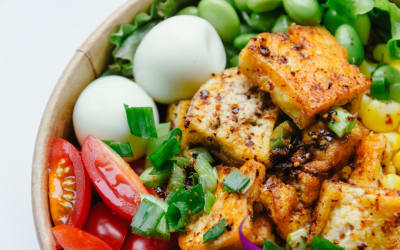
- Add concentrated protein: Stir cubed paneer, tofu, edamame or chicken into cooked lentils.
- Thicken with Greek yoghurt: Swirling Greek yoghurt or hung curd into cooked dal gives a creamy texture without heavy cream or extra butter.
- Protein first: Eat your protein and vegetable sabzi before the rice or roti so you do not fill up before the nourishing foods.
Easing Side Effects with Spices and Meal Timing
South Asian cooking is rich with spices traditionally used to settle the stomach. Ginger (adrak), cumin (jeera), fennel (saunf) and mint (pudina) have long been used this way. Sipping warm fennel or ginger tea after meals may help with mild nausea and trapped wind.
Because appetite can drop sharply, eating three large thalis per day may feel overwhelming. Smaller, more frequent meals, such as a small bowl of dal with vegetables at midday, followed later by a light protein snack, can feel kinder. For broader ideas on structuring your day, take a look at my practical meal guide for Ozempic.
If you also live with type 2 diabetes, food and medication questions overlap more than usual, and you can read more on my diabetes nutrition support page.
If even half a chapati leaves you uncomfortably full, or skipping basmati rice entirely leaves you feeling distant from family meals, generic advice may not fit your table. One-to-one support can look at texture, portion size and protein pairings in the dishes you actually cook. To adapt your favourite family recipes for comfortable eating, explore my nutrition services or get in touch via my contact page to book your consultation.