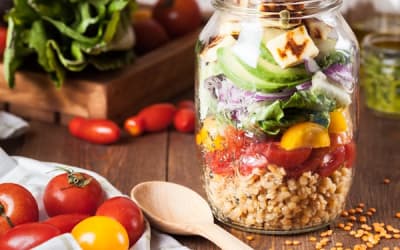
It's 5.30pm, you've just walked in from work, and dinner is still an hour away. Sound familiar? This is the moment I hear about most often in consultations – the "danger zone" where hunger, tiredness and whatever's closest in the cupboard collide. Snacking itself isn't the problem. It's one of the most natural parts of eating, whether you're bridging the gap between meals, refuelling after exercise, or simply enjoying a bit of pleasure in your day. The question isn't whether to snack, but how to snack in a way that supports your energy and enjoyment rather than working against it.
In my practice, I often see clients feel guilty about snacking altogether, as though reaching for something between meals is a failure of willpower. I like to reframe this early on: a well-chosen snack can help you feel steadier, make it less likely you arrive at your next meal ravenous, and give you genuine enjoyment. The issue tends to be less about snacking and more about what we reach for when we're rushed, tired or emotionally drained – usually something high in refined sugar or salt and low in anything that nourishes us.
Why Snack Choice Matters
A snack built around refined carbohydrates alone – crisps, biscuits, sweets – tends to give a quick lift in energy followed by a dip, which often leaves you reaching for something else within the hour. Snacks that combine protein, fibre and a little healthy fat digest more slowly, which can keep you fuller for longer. This is a simple, widely accepted principle I build into most of the meal ideas I share with clients, whatever their goals.
Can Fruit and Vegetables Be Part of Daily Snacking?
Absolutely – and they're some of the easiest snacks to prepare in advance. Vegetable crudités such as celery sticks, carrot batons, cucumber sticks and bell pepper strips are quick to chop and keep well in the fridge for a few days. Paired with houmous or a mint yogurt dip, they become a genuinely satisfying option rather than something you're eating out of obligation. Whole fruit works well too, particularly alongside a source of protein such as a small handful of nuts, since the fibre and protein together make it more filling.
Building a Better Snack Drawer
- Grains with protein: Oatcakes, wholewheat crackers, or rice cakes topped with houmous, home-made salsa, or nut butter make a satisfying, fibre-rich combination.
- Plant protein: Baked chickpea falafels with a cucumber and yogurt dip are a favourite among my clients – far lighter than the fried version but just as tasty.
- Dairy and fermented options: Plain yogurt topped with fresh fruit and a sprinkle of pumpkin seeds offers protein, calcium and fibre in one bowl.
- Wholegrain breads: Toasted wholemeal pitta fingers or a slice of multiseed flatbread with fresh guacamole is one of my own go-to snacks – simple, quick, and genuinely enjoyable.
- Eggs: A boiled egg is an underrated snack – portable, rich in protein, and easy to prepare in batches at the start of the week.
- Nuts and seeds: A small handful goes a long way, thanks to their combination of healthy fats, protein and fibre.
Planning Ahead Makes the Difference
In my practice, the single biggest factor in whether someone sticks to healthier snacking isn't willpower – it's preparation. If the only things within reach when hunger strikes are biscuits and crisps, that's what gets eaten. Spend ten minutes at the start of the week portioning nuts into small containers, washing and chopping vegetables, or boiling a batch of eggs, and you've removed the friction that usually pushes people towards whatever's quickest. If the healthy option is visible and ready to eat, you're far more likely to reach for it. None of these ideas need to be expensive either – most are budget-friendly staples that fit into your weekly shop.
Reading Snack Labels With Confidence
When you do buy shop-bought snacks, a quick look at the label can tell you a lot. I encourage clients to look at the fibre and protein content rather than fixating on calories alone – a snack with some fibre or protein in it tends to be more satisfying than one with neither. Ingredient lists are useful too: the shorter and more recognisable the list, the less processed the snack is likely to be. This isn't about becoming obsessive over labels, just building a quick habit that helps you choose well without much extra thought.
Snacking Around Exercise
If you're active, snack timing matters as much as content. A small snack combining carbohydrate and protein an hour or so before exercise – a banana with a spoonful of peanut butter, for example – can support how you feel during a session, while a post-workout snack with protein is a sensible part of recovery. This is a different scenario from evening snacking out of boredom or tiredness, and I encourage clients to notice which category their snack falls into, since the right choice depends on the reason behind it.
Snacking well isn't about restriction or perfection – it's about having a handful of realistic, tasty options ready to go so that when hunger strikes, you're not left choosing between "nothing" and "whatever's easiest." Start with two or three of the ideas above and build from there.
When Snacking Signals Something Else
It's also worth noticing whether you're reaching for a snack out of genuine hunger or for other reasons – boredom, stress, tiredness or habit. None of these are wrong reasons to eat, but recognising the difference helps you choose more consciously. If you find yourself snacking frequently out of stress or low energy rather than hunger, it may be worth looking at your main meals too, since under-eating earlier in the day is a common reason for intense evening snacking. In consultations, I often find that adding more protein and fibre at lunch makes an "evening snacking problem" feel far less intense. Where constant hunger or unusual tiredness seems out of proportion to how you eat, I work alongside your doctor so that any underlying cause is looked at properly.
If a handful of almonds still leaves you standing by the open fridge at 5:45pm, a few generic snacking rules may not fit your day. To build snack ideas around your own routine, tastes and budget, book a discovery call or get in touch and we can work through it together.