Do you find yourself battling unpredictable cycles, stubborn weight gain and a constant low-grade ache in your joints? Many women with PCOS discover that the culprit often lies not just in hormones, but in chronic inflammation. In my practice I see clients who feel a noticeable shift when they swap a handful of processed snacks for brighter, anti-inflammatory meals.
Why inflammation matters in PCOS
Research suggests that low-grade systemic inflammation can exacerbate insulin resistance, a hallmark of PCOS. The NHS notes that up to 70% of women with PCOS experience some degree of insulin resistance, which can drive androgen excess and ovarian dysfunction. By targeting inflammation through diet, we can help blunt these pathways and support more regular cycles and clearer skin.
Evidence-backed anti-inflammatory foods
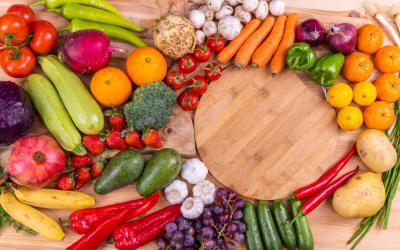
Several food groups have been repeatedly linked to reduced inflammatory markers in the UK population. The British Nutrition Foundation highlights the role of omega-3 fatty acids, polyphenols and fibre in modulating inflammation. Below is a concise list of foods I routinely recommend for PCOS clients:
- Fatty fish – salmon, mackerel, sardines (rich in EPA/DHA)
- Leafy greens – spinach, kale, Swiss chard (high in antioxidants)
- Berries – blueberries, raspberries, blackberries (packed with anthocyanins)
- Nuts & seeds – walnuts, chia, flaxseeds (source of ALA and fibre)
- Olive oil – extra-virgin, for its polyphenol content
- Legumes – lentils, chickpeas, beans (low GI and fibre-rich)
- Spices – turmeric, ginger, cinnamon (natural anti-inflammatory agents)
- Whole grains – oats, quinoa, barley (provide steady glucose release)
Meal ideas to get started
Putting these foods together doesn’t have to be daunting. Here are three sample meals that blend flavour with anti-inflammatory power:
- Breakfast: Overnight oats with chia seeds, a handful of blueberries, a drizzle of walnut-oil and a sprinkle of cinnamon.
- Lunch: Quinoa-tabbouleh with chopped kale, cherry tomatoes, cucumber, olives and a lemon-olive-oil dressing, served alongside a grilled salmon fillet.
- Dinner: Lentil-spiced stew with carrots, spinach and turmeric, finished with a spoonful of Greek yogurt and a side of roasted sweet potato wedges.
These dishes can be adapted for PCOS nutrition plans and are also gut-friendly, supporting overall gut health.
Practical tips for everyday success
Changing eating patterns works best when it fits into your routine. Try these actionable steps tomorrow:
- Swap your usual breakfast cereal for a bowl of mixed berries and Greek yogurt topped with ground flaxseed.
- Keep a jar of pre-washed leafy greens in the fridge – they’re ready for salads or quick stir-fries.
- Replace butter with a tablespoon of extra-virgin olive oil when cooking vegetables.
- Set a reminder to include at least one serving of fatty fish two times per week.
- Use spices like turmeric and ginger in soups, sauces or smoothies for an extra anti-inflammatory boost.
Beyond the plate: lifestyle factors
While food is a cornerstone, sleep, stress management and regular movement also influence inflammation. The NICE guidelines advise at least 150 minutes of moderate-intensity activity per week for metabolic health – something I discuss with clients alongside nutrition.
If you have a diagnosed condition such as insulin resistance or PCOS, I always recommend you discuss any significant dietary changes with your GP. As a registered nutritionist I can provide personalised education and support, but I am not a substitute for clinical monitoring.
You might also find my post on pcos and weight loss: why it's harder helpful.
You might also find my post on pcos and insulin resistance: foods to approach with care helpful.
You might also find my post on 10 pcos-friendly recipes ready in 20 minutes or less helpful.
You might also find my post on a middle eastern diet for pcos: mezze, olive oil and blood sugar helpful.
You might also find my post on a vegetarian pcos plate: south asian and mediterranean ideas helpful.
You might also find my post on build a balanced pcos week: sample 3-day meal plan helpful.
You might also find my post on pcos nutritionist vs dietitian: who should guide you? helpful.
You might also find my post on pcos supplements: what the evidence shows helpful.
You might also find my post on pcos to pmos: what the name change means helpful.
You might also find my post on pcos and fertility: nutrition that helps helpful.
Ready to tailor an anti-inflammatory plan to your unique needs? I offer one-to-one online consultations where we can map out meals, address cravings and set realistic goals. For a deeper dive into how food can ease PCOS symptoms, feel free to explore my services page and then contact me to book a session. Together we’ll turn the science of inflammation into a practical, enjoyable way of eating that supports your hormonal health.