Are you navigating the daily frustrations of Polycystic Ovary Syndrome (PCOS) – from persistent fatigue and blood sugar swings to unexpected weight gain and skin breakouts? If so, you are far from alone. In my practice as a UK registered nutritionist, I speak with clients every week who feel overwhelmed by conflicting dietary advice on social media. Many have tried cutting out entire food groups, only to find themselves exhausted, unsatisfied, and unsure of what to eat next.
While PCOS is primarily recognised as an endocrine disorder, metabolic drivers such as insulin resistance and low-grade chronic inflammation play a fundamental role in driving symptoms. This is where dietary patterns like the DASH diet (Dietary Approaches to Stop Hypertension) come into focus. Originally formulated to support cardiovascular health and blood pressure, clinical research suggests that the DASH pattern offers profound metabolic benefits for women living with PCOS.
What Is the DASH Diet?
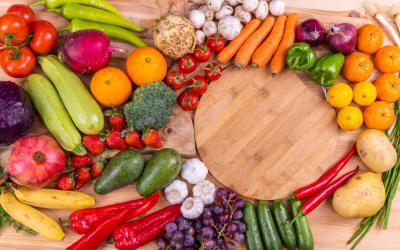
The DASH eating plan is a heart-healthy, balanced dietary framework that emphasises whole foods. It is rich in vegetables, fruits, whole grains, lean protein sources, legumes, nuts, seeds, and low-fat dairy, while keeping sodium, refined sugars, and saturated fats low. Unlike restrictive fad diets, DASH focuses on dietary quality and diversity rather than extreme elimination.
Because it naturally prioritises low-glycaemic-index carbohydrates and high-fibre foods, the DASH framework aligns exceptionally well with evidence-based strategies for managing blood sugar stability and metabolic health. If you are managing co-occurring metabolic concerns, exploring diabetes nutrition principles alongside DASH can provide further clarity on regulating glucose levels.
Why the DASH Diet Works for PCOS
Insulin resistance is estimated to affect up to 70-80% of women with PCOS, regardless of body weight. When your cells become less responsive to insulin, your pancreas produces more to clear glucose from the bloodstream. Elevated circulating insulin can stimulate the ovaries to produce excess androgens (such as testosterone), worsening acne, excess hair growth, and irregular menstrual cycles.
The DASH dietary pattern supports PCOS management in three key ways:
- Improves Insulin Sensitivity: High-fibre whole grains, pulses, and vegetables slow down carbohydrate digestion, preventing rapid glucose spikes and reducing the demand on insulin production.
- Reduces Systemic Inflammation: Abundant antioxidants, polyphenols, and omega-3 fatty acids found in colourful produce, nuts, and seeds help combat oxidative stress and low-grade tissue inflammation.
- Supports Heart Health and Blood Pressure: Women with PCOS face a higher lifetime risk of cardiovascular complications and elevated blood pressure. The DASH diet's rich mineral profile – high in potassium, magnesium, and calcium – directly supports vascular health.
In addition to blood sugar regulation, many of my clients find that nurturing their microbiome through high-fibre plant diversity positively influences hormone metabolism. Incorporating principles from gut health nutrition can further enhance digestion and overall metabolic vitality.
Practical Sample Meal Ideas to Get Started
Transitioning to a DASH-aligned pattern does not require a complete overnight overhaul. Rather than following rigid, stressful meal plans, focusing on a few representative nourishing ideas can help build long-term consistency:
- Breakfast: Creamy porridge made with rolled oats, ground flaxseeds, a handful of fresh blueberries, and unsweetened soya or cow's milk.
- Lunch: Mediterranean chickpea and quinoa salad loaded with diced cucumber, cherry tomatoes, parsley, extra virgin olive oil, and lemon juice.
- Dinner: Baked wild salmon fillet served alongside roasted sweet potato wedges and a generous side of steamed broccoli and kale.
- Snack: A small handful of raw walnuts paired with a fresh pear or carrot sticks with homemade hummus.
If weight management is one of your primary goals alongside hormone balancing, combining DASH principles with targeted weight loss nutrition strategies can yield sustainable, non-restrictive results without compromising energy levels.
Actionable Steps for Adopting DASH for PCOS
To implement this pattern effectively into your weekly routine, consider starting with these manageable adjustments:
- Prioritise Whole Plant Foods: Aim to cover half your plate with non-starchy vegetables at lunch and dinner.
- Swap Refined Grains: Replace white bread, white rice, and sugary cereals with oats, quinoa, brown rice, and wholewheat alternatives.
- Include Lean and Plant Proteins: Incorporate lentils, beans, tofu, poultry, and fish regularly throughout the week to support satiety.
- Mind Your Sodium and Sugars: Swap ultra-processed snacks and sauces for herbs, spices, citrus, and raw nuts to flavour your food naturally.
Please note: While nutrition plays a vital role in managing PCOS, it is not a replacement for medical diagnosis or treatment. If you have diagnosed PCOS, type 2 diabetes, or take prescription medication, it is recommended to discuss any significant dietary changes with your GP.
Personalising Your PCOS Nutrition Approach
Every woman's experience with PCOS is unique, influenced by specific hormone profiles, gut tolerance, lifestyle pressures, and personal preferences. While generalised templates provide a solid starting point, true progress often comes from a tailored plan that adapts to your daily reality.
In my online consultancy, I support individuals worldwide through evidence-based, compassionate care. If you are ready to move away from confusing diet rules and build a clear, sustainable eating routine that directly targets your PCOS symptoms, explore my bespoke nutrition services or book an online consultation today. You are welcome to get in touch to discuss how we can work together towards better hormonal harmony and restored confidence.