The short answer: ghee does not need to be off-limits if you have PCOS. Research on full-fat dairy, including ghee, is mixed and does not clearly show harm in moderate amounts, so the question is really about how much and what it is eaten with. A small amount, enjoyed alongside fibre and protein, can sit comfortably on a PCOS-friendly South Asian plate.
Do you find yourself reaching for a spoonful of ghee when cooking a comforting dal, yet wonder if it might be working against you? You are not alone. Many South Asian women with PCOS grapple with the balance between cultural flavours and the wish to look after their health.
In my practice as a registered nutritionist, I see this dilemma repeatedly. The good news is that the evidence does not demand an all-or-nothing approach. Instead, it offers nuanced guidance on how ghee can fit into a PCOS-friendly way of eating when used in moderation.
What the research says about ghee
Ghee is clarified butter, rich in saturated fatty acids (SFAs) and also containing small amounts of short-chain fatty acids such as butyrate. SFAs have historically been linked with higher LDL-cholesterol, though emerging nutrition science suggests the food a fat comes in, and the overall diet around it, matters. Most of this research has been done on dairy foods in general, and there is much less on ghee specifically.
Research on dairy fats and insulin resistance is mixed, and some studies suggest moderate intake of full-fat dairy is not clearly associated with worse outcomes. For women with PCOS, who often experience insulin resistance, this suggests that ghee is not a clear villain, although more research is needed.
How ghee fits into a South Asian PCOS-friendly plate
South Asian cuisine relies heavily on cooking fats for flavour. Removing ghee entirely can strip dishes of their cultural identity and make changes harder to keep up. The key is to keep portions modest and pair ghee with fibre-rich foods.
- Use a small spoonful of ghee to finish a curry or sauté vegetables, rather than pouring generously.
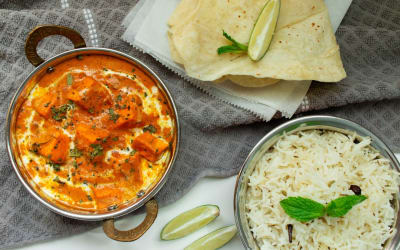
- Combine ghee-rich dishes with high-fibre staples such as brown basmati rice, lentils or wholegrain roti.
- Include a source of protein (for example paneer, tofu or lean meat) so the meal feels balanced and filling.
By following these simple steps, you can enjoy the buttery aroma while keeping the overall meal balanced.
Gut health and ghee
Butyrate, a short-chain fatty acid present in ghee in small amounts, is a fuel for cells lining the gut. Research on butyrate and gut health is an emerging area, and the amount in ghee is modest. For women with PCOS, who often report gut-related symptoms, a small amount of ghee may fit alongside probiotic-rich foods like yogurt or kefir, but it is not a gut remedy.
It is also worth differentiating between traditional ghee and industrially processed spreads that may contain trans-fats or added sugars. Check labels and choose pure ghee where you can.
Practical tips for using ghee
Here are three practical ideas you can try:
- Use a small measuring spoon: a dedicated small spoon in the ghee jar makes it easier to add a modest amount without thinking about it.
- Match the fat to the cooking: use extra-virgin olive oil for gentle sautéing and keep ghee for high-heat cooking or finishing a dish.
- Notice how meals feel: In my online consultation service, I provide a simple food diary template that helps you see how ghee fits within your overall eating pattern.
Remember, the overall dietary pattern matters more than any single ingredient. A balanced diet rich in vegetables, protein foods and wholegrains remains the cornerstone of PCOS-friendly eating, as reflected in the NHS PCOS guidance.
If you are also thinking about your weight, you can pair these ghee tips with the broader food principles in my weight loss resources. For those with co-existing insulin resistance, the ideas overlap with diabetes nutrition, making ghee a sensible everyday ingredient rather than a trigger.
In summary, the research does not suggest ghee needs to be avoided in moderate amounts, and it can sit within a culturally familiar, fibre-rich and protein-balanced diet for South Asian women with PCOS. It is not a magic bullet, but it is not a dietary enemy either. Because PCOS can sit alongside other diagnosed metabolic conditions, I work alongside your doctor on those, so that food choices fit with your wider care.
Related reading
- South Asian, Middle Eastern & vegetarian nutrition consultations
- PCOS & PMOS nutrition
- PCOS in South Asian women: diet advice
- Curry, spices and oils: blood sugar tips
If you find yourself standing over the stove second-guessing every half-spoon of ghee in your tadka, general guidelines have probably served their purpose. The more useful step is tailoring traditional fats to your own routine, so you can keep enjoying authentic South Asian food without second-guessing every spoonful. You can explore working together on my services page or book a free discovery call through my contact page.