Do you find yourself standing in front of an open fridge on a Tuesday evening, completely exhausted, reaching for high-glycaemic convenience foods only to feel your energy crash an hour later? For women managing Polycystic Ovary Syndrome (PCOS), the daily question of what to eat can feel overwhelming. Managing symptoms like fatigue, cravings, irregular cycles, and weight fluctuations requires consistency, but decision fatigue and busy schedules often stand in the way.
In my practice as a registered nutritionist, I frequently see how transformative a structured batch-cooking routine can be. Having balanced, nutrient-dense meals ready in advance takes the friction out of eating for hormone health. However, before making significant dietary changes – especially if you have a diagnosed condition like PCOS or diabetes, or take medications such as diabetes medication – it is essential to discuss your plan with your GP to ensure it aligns with your clinical markers.
Understanding the PCOS & Insulin Connection
According to NHS guidance and broad clinical evidence, insulin resistance affects a high proportion of women with PCOS, regardless of body weight. When you consume refined carbohydrates or sugary foods, your blood glucose spikes, prompting your pancreas to produce extra insulin. High levels of circulating insulin can signal the ovaries to produce excess androgen hormones like testosterone, which contributes to symptoms such as acne, hirsutism, and disrupted ovulation.
Focusing on PCOS nutrition that stabilises blood glucose is therefore a core nutritional strategy. Combining complex carbohydrates, fibre, lean protein, and healthy fats buffers the glycaemic response. By batch-preparing these components, you ensure every meal actively supports insulin sensitivity rather than triggering blood sugar spikes.
Principles of Component-Based Meal Prep
Rather than cooking complete, complicated dishes that grow unappealing by Thursday, I recommend 'component prep' to my clients. Preparing flexible base ingredients allows you to assemble varied meals throughout the week while supporting your gut health through dietary diversity.
- Resistant Starch Bases: Batch-cook wild rice, quinoa, or small new potatoes. Cooking and cooling starches increases their resistant starch content, which feeds beneficial gut bacteria and reduces the post-meal blood glucose response.
- Lean & Plant Proteins: Roast spice-rubbed chicken breast, bake herb-marinated tofu, or cook a pot of lentils. Protein increases satiety hormones and aids sustainable weight loss when that is an agreed clinical goal.
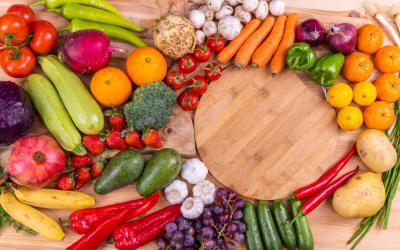
- Cruciferous & Fibre-Rich Greens: Roast broccoli, cauliflower, or kale in extra virgin olive oil. Cruciferous vegetables contain compounds that assist the liver in processing circulating oestrogen effectively.
- Healthy Fat Dressings: Whisk extra virgin olive oil, tahini, lemon juice, and apple cider vinegar into a jar. Healthy fats delay gastric emptying, keeping you full and stabilising blood sugar.
Sample Assembly Ideas for Your Week
Instead of feeling trapped in a rigid eating plan, component prep lets you mix and match throughout the week. For a quick mid-week lunch, layer cooked quinoa with roasted broccoli, spiced chickpeas, pumpkin seeds, and your tahini dressing for a balance of slow-release carbohydrates, plant protein, and healthy fats.
For dinner, combine prepped baked tofu or chicken breast with sautéed greens, roasted squash, and half an avocado. These simple sample assemblies ensure you maintain the macronutrient ratio needed for hormone balance without spending hours cooking every night.
Avoiding Prep Burnout
A frequent obstacle I see during an online consultation is prep burnout – spending half your Sunday in the kitchen only to tire of the routine after two weeks. Keep it manageable by prepping just two protein options, two complex carbs, and three vegetable varieties each week.
Utilising your freezer is another practical tactic. Double up when making stove-top meals like turkey chilli or lentil dahl, and freeze individual portions in glass containers. This provides an immediate safety net of hormone-friendly meals on evenings when cooking from scratch is impossible.
Navigating PCOS symptoms and insulin resistance requires a realistic, non-restrictive approach that fits around your life. If you are struggling with hormonal fatigue, irregular cycles, or simply want guidance on structuring your meals for long-term health, personalised professional advice can make all the difference. Explore my nutrition consultancy services to see how we can build a manageable food strategy together, or visit the contact page to book your initial consultation today.