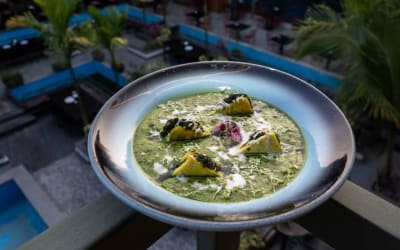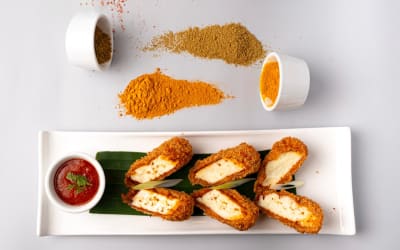
It is 6pm, you have had a full day, and the last thing you want to do is stand at the hob for an hour working out what counts as "PCOS-friendly". I hear this from clients constantly: they know roughly what they would like to be eating, more fibre, more variety, less reliance on convenience food, but the gap between knowing and actually cooking on a Tuesday night is where most plans fall apart. In my practice, I always say that the best PCOS-friendly diet is not the most perfect one, it is the one you will actually make when you are tired. So here are ten recipes from my collection that are genuinely ready in 20 minutes or less, built around fibre, plant protein and ingredients that keep you feeling satisfied.
Why does speed matter so much? Because the biggest lever most of us have day to day is what, and how consistently, we eat. A skipped meal that turns into a biscuit-tin dinner because cooking felt like too much effort is something almost everyone recognises. Having a rotation of quick, reliable recipes removes the decision fatigue that so often leads to reaching for whatever is fastest.
5 Minutes or Less
These are the recipes I suggest keeping in constant rotation, because most of the work happens the night before or takes barely any hands-on time at all.
- Anti-Inflammatory Berry and Walnut Overnight Oats – prep the night before for a grab-and-go breakfast that combines slow-release oats with omega-3-rich walnuts.
- Chia Seed & Mango Pudding – a naturally sweet, fibre-rich snack or dessert that feels like a treat.
- Green Anti-Inflammatory Smoothie – a quick way to start the day with greens and healthy fats when you genuinely do not have five minutes to spare.
- Overnight Oats with Flaxseed, Berries & Cinnamon – another no-cook breakfast option, with flaxseed adding fibre and healthy fats.
10 Minutes
A little more hands-on time, but still fast enough for a weekday morning before work.
For a broader range of morning options, including savoury ideas, see my hormone-friendly PCOS breakfast guide.
- Avocado and Oat Breakfast Bowl – a nourishing start to the day that pairs healthy fats with fibre.
- Anti-Inflammatory Turmeric & Ginger Porridge – a warming golden breakfast with spices that clients tell me feels like a genuine treat, not a health chore.
20 Minutes
These are proper meals, the kind you can serve to a partner or family without anyone noticing it was quick.
- Authentic Asian Aubergine Mix – a vegetable-forward dinner with plenty of flavour from ginger and garlic.
- The Perfect Green & Protein Meal – chickpeas and broccoli for a filling, plant-based dinner that brings protein and fibre together in one bowl.
- Mediterranean Halloumi & Quinoa Bowl – a balanced, protein-rich lunch bowl that reheats well if you want to batch it for the week.
- Scrambled Paneer & Spinach – quick, protein-rich, and works well with pitta or chapati if you want something a bit more substantial.
Stocking Your Kitchen for Speed
A big part of what makes these recipes achievable in 20 minutes is not clever technique, it is having the right things already in the cupboard. I encourage clients to keep a small "PCOS-friendly base" stocked at all times: tins of chickpeas and beans, a bag of quinoa or brown rice, frozen spinach and mixed vegetables, a jar of tahini or nut butter, and a stash of eggs and paneer or tofu in the fridge. When the basics are already there, a 20-minute meal stops being a project and becomes a case of combining what is on hand. I would also suggest keeping frozen berries and a bag of oats permanently in stock; between them they cover most of the overnight breakfast options above without any extra shopping trips.
Making This a Habit, Not a One-Off
The clients who tell me food feels easiest are not necessarily the ones with the most restrictive diets, they are the ones who have built a small, repeatable rotation of meals they do not dread making. I usually suggest picking two or three of these to start with, cooking them on repeat for a couple of weeks until they become second nature, and then adding one or two more. Batch-cooking the 20-minute options at the weekend, so you have a couple of portions in the fridge for the nights you know will be chaotic, is one of the simplest changes I suggest to clients who tell me they "always end up ordering a takeaway by Wednesday".
It is also worth remembering that no single recipe or ingredient will make or break how you feel with PCOS. What matters more is the overall pattern across a week: protein and fibre at most meals, avoiding very long gaps without eating where you can, and not treating any food as completely off-limits. If you are on medication that affects blood sugar or insulin, I work alongside your doctor so that any larger change to how you eat fits with your treatment.
A fast dinner rotation is a helpful part of everyday PCOS nutrition, but generic quick recipes only go so far. Standard templates can fall short at 8pm, when you are tired, the pantry is tempting and the meal you planned does not quite suit your tastes or hunger. In my practice, I help clients adapt quick assembly meals to their own preferences, routine and cultural foods, so that weeknight cooking feels more doable. If you would like to take the guesswork out of dinner, book a consultation with me via my contact page today.