Do you ever wonder whether cutting out gluten could ease the stubborn weight gain, irregular periods or skin issues that often accompany polycystic ovary syndrome (PCOS)? You’re not alone – many women with PCOS report trying a gluten-free approach after hearing it might calm inflammation and improve gut health. In this post I explore the science, share practical tips and help you decide if a gluten-free plan is worth testing in your own life.
Understanding PCOS and Its Common Triggers
PCOS is a hormonal disorder affecting roughly 1 in 10 women of reproductive age in the UK, according to NHS data. It is characterised by elevated androgen levels, insulin resistance and ovarian cysts, which together can cause irregular cycles, acne, hirsutism and difficulty losing weight. While genetics play a role, lifestyle factors – especially diet – can influence the severity of symptoms. Many of my clients ask whether specific food groups, such as gluten, might be aggravating their condition.
Gluten: What It Is and When It Matters
Gluten is a protein found in wheat, barley and rye. For people with coeliac disease, even tiny amounts trigger an autoimmune attack on the small intestine, leading to malabsorption and a host of systemic symptoms. A much smaller proportion of the population experience non-coeliac gluten sensitivity (NCGS), where symptoms improve after removing gluten but no clear diagnostic markers exist. Importantly, PCOS is not a recognised gluten-related disorder, but the overlap between gut health, inflammation and insulin resistance has sparked interest.
What the Research Says About Gluten-Free for PCOS
Current research is limited and largely observational. A few small pilot studies have reported modest improvements in insulin sensitivity and menstrual regularity when participants with PCOS adopted a gluten-free diet, but these studies often involved participants who also reduced refined carbohydrates and calories – making it difficult to isolate gluten as the active factor. research indicates that broad-scale evidence linking gluten-free diets to PCOS symptom relief is still lacking.
In practice, I see three patterns:
- Women with confirmed coeliac disease experience clear benefits from a strict gluten-free regimen, which can indirectly improve PCOS-related weight management.
- Those with suspected NCGS sometimes report reduced bloating and clearer skin, likely due to a lower intake of processed wheat products.
- For many without any gluten sensitivity, a gluten-free diet offers no additional advantage over a balanced, low-glycaemic diet that already supports insulin control.
Practical Steps If You Choose to Go Gluten-Free
Before making a wholesale change, consider a short trial period of 4-6 weeks while keeping a simple symptom diary. This helps you identify whether you experience measurable changes in energy, menstrual patterns or skin health. Below are some actionable steps you can implement straight away:
- Read labels carefully – look for hidden gluten in sauces, processed meats and even some protein powders.
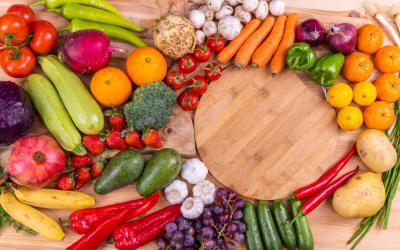
- Prioritise naturally gluten-free whole foods such as quinoa, buckwheat, legumes, fresh fruit, vegetables, nuts and seeds.
- Maintain a moderate carbohydrate intake (45-55% of total energy) focusing on low-glycaemic sources to support insulin sensitivity.
- Include a source of lean protein at every meal – fish, poultry, eggs or plant-based alternatives – to help stabilise blood sugar.
- Stay hydrated and aim for at least 30 minutes of moderate exercise most days, as physical activity synergises with dietary changes for PCOS management.
If you decide to continue beyond the trial, work to ensure you’re not missing essential nutrients such as B-vitamins, iron and fibre, which can be lower in a gluten-free diet. As a registered nutritionist, I can support you with personalised meal planning, grocery lists and strategies to keep your diet enjoyable and nutritionally complete.
Sample Gluten-Free Meal Ideas for PCOS
Below are a few balanced, gluten-free meals that align with the principles of low-glycaemic eating and provide the fibre and protein needed for hormonal balance. Feel free to adapt them to your preferences.
- Breakfast: Greek yogurt topped with mixed berries, a sprinkle of chia seeds and a handful of toasted buckwheat granola.
- Lunch: Quinoa salad with grilled salmon, spinach, cucumber, cherry tomatoes, avocado and a lemon-olive-oil dressing.
- Dinner: Stir-fried chicken breast with broccoli, bell peppers, snap peas and tamari (gluten-free soy sauce) served over cauliflower rice.
- Snack: A small apple with almond butter or a handful of roasted pumpkin seeds.
These meals are designed to keep blood glucose stable, support satiety and provide anti-inflammatory nutrients – all of which can positively influence PCOS symptoms.
When to Seek Professional Guidance
Because PCOS is a complex endocrine condition, any major dietary shift should be discussed with your GP, especially if you have a confirmed coeliac diagnosis or are taking medication for insulin resistance. I can work alongside your healthcare team to fine-tune your nutrition plan, monitor progress and adjust macronutrient ratios as needed.
If you’re curious about a gluten-free trial or want a broader nutrition strategy that tackles insulin resistance, weight management and gut health, I’m happy to help. My online consultations are personalised, evidence-based and flexible to fit your schedule.
Ready to explore whether a gluten-free approach could ease your PCOS symptoms? Visit my services page to see how we can work together, or head to the contact page to book a session. Together we’ll create a sustainable plan that respects your lifestyle while targeting the hormonal and metabolic challenges of PCOS.