Have you ever stared at a supermarket aisle feeling completely overwhelmed by conflicting advice for polycystic ovary syndrome (PCOS)? One online source tells you to cut out carbohydrates entirely, another insists dairy is the root cause of your symptoms, and suddenly preparing a simple dinner feels like navigating a minefield. In my practice as a registered nutritionist, I meet women every week who feel exhausted by rigid restrictive rules that fail to deliver sustainable relief.
Polycystic ovary syndrome affects an estimated 1 in 10 women in the UK, making it one of the most common endocrine conditions among those of reproductive age.* At the core of PCOS for many women lies insulin resistance, where body cells become less sensitive to insulin. This causes the pancreas to produce extra insulin to clear glucose from the blood stream, which in turn can stimulate the ovaries to produce higher levels of androgenic hormones.
When blood sugar surges and crashes throughout the day, it magnifies fatigue, fuels intense sugar cravings, and makes managing body weight considerably harder. If you are considering significant dietary shifts alongside medical management for PCOS, I always advise discussing these changes with your GP. When I work with clients in one-to-one online consultations, our focus is never on extreme deprivation, but rather on constructing balanced meals that stabilise glucose levels and calm systemic inflammation.
Core Foods to Focus On for PCOS
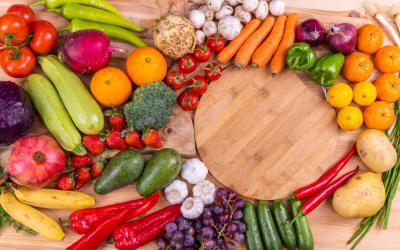
To nurture hormonal balance, we want to prioritise foods rich in dietary fibre, quality protein, healthy fats, and protective antioxidants. Rather than stressing about what you need to cut out, I always recommend starting with what you can add to your plate to improve meal balance.
Here are the primary food categories that work in your favour:
- High-fibre complex carbohydrates: Oats, quinoa, lentils, chickpeas, brown rice, and squash provide steady, slow-release glucose without triggering extreme insulin spikes. To understand how protein balances your carbs, read my guide on protein requirements for PCOS.
- Quality lean proteins: Eggs, tofu, tempeh, poultry, fish, and pulses slow down digestion and promote satiety hormones, helping prevent late-afternoon energy crashes.
- Anti-inflammatory healthy fats: Extra virgin olive oil, walnuts, chia seeds, flaxseeds, and oily fish such as salmon or mackerel help manage the persistent low-grade inflammation linked with PCOS.
- Cruciferous and colourful vegetables: Broccoli, Brussels sprouts, kale, spinach, and bell peppers offer vital micronutrients and fibre that support gut motility and liver detoxification pathways.
Building your plate around these foundational foods supports long-term blood sugar regulation. To explore how your digestive system influences hormonal health, take a look at my article on PCOS and gut health.
Foods to Limit or Approach with Intention
Notice that I say limit rather than ban. Strict food rules frequently trigger a restriction-binge cycle, making long-term adherence nearly impossible. However, certain foods can exacerbate insulin resistance and cellular stress when eaten frequently in larger quantities. For a closer look at specific ingredients, browse my article on foods to approach with care for PCOS.
Refined carbohydrates like white bread, pastries, and low-fibre breakfast cereals break down very rapidly into simple sugars. This sudden influx of glucose triggers a steep insulin spike followed by an energy dip, leaving you hungry shortly after eating. Similarly, sugary beverages such as sweetened fruit juices, fizzy drinks, and syrup-flavoured coffees flood the digestive tract with fast-acting sugars without dietary fibre to slow absorption. Highly processed foods containing industrial trans fats and excess additives can also fuel underlying inflammatory cascades.
Smart Swaps for Everyday Eating
Small, achievable adjustments consistently deliver far better results than radical overhauls. Here are three straightforward food swaps you can make during your next weekly shop:
- Swap refined white rice: Choose basmati rice, brown rice, or a mix of white rice and cauliflower rice to increase total dietary fibre.
- Swap sugary afternoon snacks: Replace milk chocolate biscuits with a handful of raw almonds and a square of dark chocolate (70% cacao or higher), or apple slices with peanut butter to help manage PCOS sugar cravings.
- Swap ultra-processed cereals: Switch to whole rolled oat porridge topped with ground flaxseeds and fresh berries, or poached eggs on wholemeal sourdough bread.
You might also find my post on pcos work lunches: easy desk prep ideas helpful.
Managing your nutritional intake with PCOS does not need to mean living on restrictive meal plans or giving up the foods you love. By understanding how specific foods influence your insulin sensitivity and hormone metabolism, you can create an enjoyable, sustainable eating pattern that works for your life. If you would like tailor-made guidance on navigating your symptoms, feel free to explore my nutrition consultancy services and get in touch to book a consultation today. Together, we can develop a practical, personalised strategy that helps you regain control of your health, support your hormone balance, and feel vibrant every day.