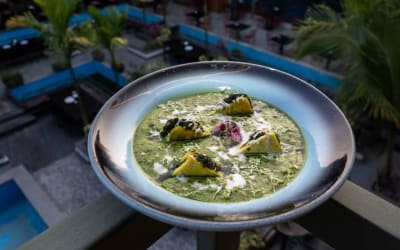
Middle Eastern and Levantine cooking has a lot going for it when it comes to polycystic ovary syndrome (PCOS or PMOS). Many of its everyday building blocks, such as pulses, olive oil, yogurt, vegetables, herbs, nuts and seeds, line up closely with the dietary patterns that research links with better insulin sensitivity. As a registered nutritionist, I often work with clients from Middle Eastern backgrounds, or households that eat this way, to build a plate around the food they already love.
Where Middle Eastern eating already helps
- Pulses everywhere. Hummus, ful medames, lentil soup (shorbat adas), falafel and bean stews put chickpeas and lentils at the centre of the meal. These are low-GI, high in fibre and contain protein, which suits steadier blood sugar after eating.
- Olive oil as the main fat. Extra-virgin olive oil is rich in monounsaturated fat and polyphenols, and it is a core part of the Mediterranean-style pattern linked with good heart health. Using it in dressings and to finish dishes, while keeping deep-frying occasional, is a good pattern for PCOS.
- Yogurt and labneh. Unsweetened yogurt and strained labneh add protein and calcium and make a satisfying breakfast or snack with cucumber, olive oil and za'atar.
- Vegetables and herbs by the plateful. Fattoush, tabbouleh (heavy on parsley, light on bulgur), grilled aubergine and vegetable-forward stews mean fibre and volume come as standard.
- Nuts, seeds and tahini. Walnuts, pistachios and sesame add healthy fat, minerals and a little protein.
The parts worth adjusting
No cuisine is automatically "PCOS-friendly" in every form. A few tweaks make a real difference:
- Bread portions. Large amounts of white pita or Arabic bread are usually the main driver of a blood sugar rise at a mezze meal. Use a smaller portion, choose wholemeal where you can, and let the salads, pulses and protein do more of the work.
- Rice dishes. Mujadara (lentils and rice) is well balanced; a large plate of plain white rice or a rich, buttery maqluba is less so. Moderate the rice and bulk out with vegetables and pulses.
- Sweets. Baklava, kunafa and ma'amoul are worth enjoying occasionally in small portions, ideally alongside a meal rather than on an empty stomach.
- Fried mezze. Falafel and kibbeh are delicious; having them baked or air-fried some of the time, and not at every meal, keeps the fat load reasonable.
A sample PCOS-friendly Middle Eastern day
- Breakfast: labneh or Greek yogurt with cucumber, tomato, olives, a drizzle of olive oil and za'atar, plus a small wholemeal pita.
- Lunch: lentil soup with a big fattoush salad, or a chicken or halloumi shawarma bowl built on salad and a little rice rather than a large wrap.
- Dinner: grilled fish or chicken (or a chickpea and spinach stew), roasted vegetables, tabbouleh and a small portion of mujadara.
- Snacks: a handful of nuts; carrot and cucumber with hummus; an apple with a spoon of tahini.
Middle Eastern and South Asian eating overlap
If your household draws on both traditions, which is common in the UK, the shared strengths (pulses, yogurt, vegetables, spices) make it straightforward to build one plan that works across both. My pages on ghee and PCOS and the PCOS nutrition page apply here too.
Making the most of the mezze table
Some research suggests that eating high-fibre salads, healthy fats and proteins before starches may soften the rise in blood sugar and insulin after a meal, which is relevant for PCOS. At a Middle Eastern spread, you could start with tabbouleh, fattoush, olives, tahini and grilled proteins before the flatbread or rice dishes.
At home, small tweaks to traditional recipes keep the food familiar:
- More pulse, less grain: in dishes like mujadara or freekeh pilafs, use more lentils or chickpeas relative to the grain.
- Adapted mahshi (stuffed vegetables): add more minced lean meat, chopped walnuts or lentils to courgette and aubergine fillings, and use less white rice or swap in coarse bulgur or cauliflower rice.
- Dipped vegetables first: serve hummus, labneh and baba ghanoush with crunchy radish slices, cucumber batons and romaine leaves, using a small piece of wholemeal pita to finish.
PCOS is individual, and I work alongside your doctor, who looks after diagnosis and any medication, while I help with food and everyday habits.
If a table full of warm flatbreads, velvety tahini and olive-drenched hummus still leaves you with a mid-afternoon energy crash, a personal look at your plate can help. You can view my consultation packages or book a free 15-minute call to talk through your own meals.