Do you dread the days before your period because you already know the pain, bloating and exhaustion are coming, and wonder whether anything on your plate could make it more bearable? If you have been diagnosed with endometriosis, you are not imagining the connection between food and how you feel, but you have probably also come across bold online claims about diets that promise to "cure" the condition. In my practice as a registered nutritionist, I meet women in exactly this position: under the care of a gynaecologist, managing a real diagnosis, and looking for sensible, evidence-informed ways that nutrition might support them alongside their treatment.
Endometriosis is often diagnosed years after symptoms first start, and by the time someone reaches me, they have usually already tried cutting things out on their own, sometimes with little guidance and a fair amount of confusion about what actually helps. I want to be honest about what nutrition can and cannot do here, because that honesty is what allows it to be genuinely useful rather than another source of pressure.
Endometriosis is a medical condition, and nutrition plays a supporting role
Endometriosis is a diagnosed gynaecological condition in which tissue similar to the lining of the womb grows outside the uterus, often causing pain, heavy periods, fatigue and, for some, fertility difficulties. As a registered nutritionist, I am not able to treat, manage or reverse endometriosis itself, and I am clear about that with every client who comes to me with this diagnosis.
What I can do is help you build an eating pattern that supports your general wellbeing, working alongside, never instead of, your medical treatment. In practice, that often looks like a straightforward conversation about what is already on your plate, what feels manageable to change, and what a realistic, non-restrictive plan could look like around your existing care.
The anti-inflammatory eating pattern many women find helpful
One of the most consistent themes I come across, and one that current evidence also points towards, is the idea of a broadly anti-inflammatory eating pattern. Endometriosis involves inflammation, and while diet cannot switch that off on its own, shifting the overall balance of what you eat is a reasonable, low-risk place to start. This is not about cutting out entire food groups or following a restrictive protocol, it is about gradually increasing foods associated with lower inflammation while being a little more mindful of the ones that tend to promote it.
- Oily fish such as salmon, mackerel and sardines a couple of times a week, for their omega-3 content
- Plant sources of omega-3, such as ground flaxseed, chia seeds and walnuts, particularly useful if you eat little or no fish
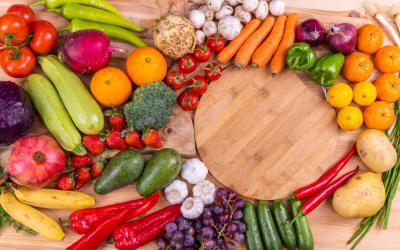
- A wide variety of colourful vegetables and fruit, aiming for genuine variety rather than the same three vegetables on repeat
- Extra virgin olive oil in place of some more processed cooking oils
- Fewer heavily processed, red-meat-heavy meals across the week, rather than cutting red meat out entirely
You might also be wondering about dairy or gluten specifically, since both come up often in online discussions of endometriosis. Some women report that symptoms feel more manageable with less of either, though the evidence is genuinely mixed and highly individual, and I am cautious about recommending anyone remove entire food groups without good reason, since that can create its own nutritional gaps and add stress around eating. A more structured elimination approach is really the territory of your GP working alongside your gynaecologist, who can guide it safely. What I usually suggest instead is a simple food and symptom diary kept for a few weeks, which is often genuinely revealing when we look at it together.
Fibre, oestrogen and gut health
Something clients are often surprised to learn is how closely fibre intake and gut health are tied to oestrogen levels. Oestrogen processed by the liver is partly cleared from the body through the gut, and a sluggish, low-fibre gut can mean some of that oestrogen gets reabsorbed rather than excreted. Since endometriosis is an oestrogen-sensitive condition, supporting healthy digestion with a good variety of fibre, wholegrains, pulses, vegetables and fruit, is one of the more practical, evidence-informed levers available through diet.
If you already struggle with bloating, irregular bowel habits or discomfort, which many women with endometriosis do, it is also worth exploring broader gut health support, since the two often overlap and improving one can genuinely support the other. I see this crossover regularly in practice, and it is often one of the more rewarding areas to work on because small changes tend to make a noticeable difference relatively quickly.
Everyday practical steps
Alongside the bigger dietary pattern, there are smaller daily habits that clients tell me make a real difference to how they feel:
Wondering how this applies to you specifically?
- Stay well hydrated, particularly during your period, as dehydration can worsen bloating and fatigue
- Batch-cook simple, anti-inflammatory meals on lower-pain days, so something nourishing is ready when cooking feels like too much
- Go easy on alcohol and caffeine around the days you know are hardest, as both can affect sleep and pain tolerance
- Keep meals regular rather than skipping food when you feel low, since blood sugar dips can add to fatigue and low mood
- Build in gentle movement, such as walking or stretching, on the days your body can manage it, not as a fix, but because gentle activity can feel genuinely supportive alongside chronic pain
Working nutrition alongside your medical care
I always encourage clients to think of nutrition as one supportive pillar among several, not a replacement for medical management. Endometriosis is a complex condition, and the right treatment plan, whether that involves pain management, hormonal treatment or surgery, needs to come from your GP or gynaecologist. Where I can add real value is helping you translate general guidance into meals you will actually enjoy and stick with, and giving you a sounding board for the diet-related questions that come up between appointments.
If you are also navigating related hormonal health concerns, some of the same gut and inflammation-focused strategies overlap with what I discuss with clients as a PCOS nutritionist, so there is often useful crossover in how we approach things. Living with a chronic, painful condition is genuinely draining, and having someone to help carry the day-to-day decision-making around food, without judgement and without adding another restrictive rulebook to your life, is often what clients tell me they valued most.
You might also find my post on learn about weight gain during menopause helpful.
You might also find my post on best foods for pcos: a nutritionist's guide helpful.
You might also find my post on the best diet for perimenopause symptoms helpful.
You might also find my post on thyroid health and nutrition connection explained helpful.
You might also find my post on nutrition and diet during pregnancy explained helpful.
When you have cut out half the foods in your pantry to avoid "endo belly", yet still find yourself doubled over with a hot water bottle during your luteal phase, blanket advice has run its course. Supporting your pelvic comfort and easing monthly flare-ups requires balancing gut motility and oestrogen clearance for your unique body, not endless restriction. If you are ready to work towards predictable comfort and feel in control of your cycle alongside your doctor's care, you can book a one‑to‑one online session with me or schedule a free discovery call to get started.