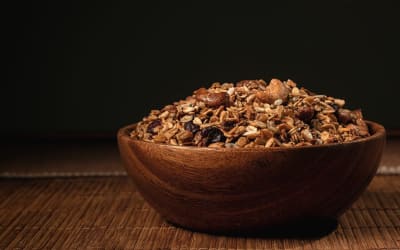
Fibre is one of those nutrients most of us hear about and still do not get enough of. Here are easy, everyday ways to bring more of it onto your plate.
Fibre is an essential part of a balanced diet. It comes from fruits, vegetables, pulses, nuts, seeds and wholegrain starchy foods. You may also hear it called roughage or bulk. Most adults in the UK eat less than the daily recommendation, so there is usually room to add more.
Fibre is a type of carbohydrate that we cannot digest in the small intestine. It travels on to the large intestine, where some types are fermented by gut bacteria and the rest adds bulk to stools.
Why fibre is worth your attention
Fibre helps keep your digestive system working smoothly and supports regular bowel habits. A fibre-rich diet is also linked with a lower risk of conditions such as type 2 diabetes and heart disease, and it can help you feel fuller for longer as part of a balanced way of eating.
You may have heard of the two main types, soluble and insoluble. Both are useful, and the easiest way to get both is to eat a wide variety of plant foods.
Eating more fibre does not need to be expensive. It takes a little planning, some smart shopping and knowing where your fibre comes from.
Not sure where you stand? This free fibre calculator gives you a quick estimate of your daily intake against the UK 30g target.
Go the fibre way: simple habits
- Include a fibre-rich food at each meal and snack
- Add variety, as different plant foods offer different kinds of fibre
- Spread fibre across the day instead of eating it all in one go
- Stock your kitchen cupboards with fibre-rich snacks
- Keep your meals balanced
- Fill your shopping basket with plenty of plant foods
Main sources of fibre
- Pulses and legumes
- Beans
- Wholegrains
- Fruits
- Vegetables
- Root vegetables
- Nuts and seeds
- Wholegrain foods (unrefined)
- Bran, wheat and corn
- Potato skins
Easy tips to add more fibre
- Eat a whole fruit instead of blending it into juice
- Choose more wholegrain bread, brown rice and wholewheat pasta in place of refined versions
- Make breakfast more filling by choosing cereals that list a wholegrain first on the ingredients
- Snack on raw vegetables instead of chips, crackers or chocolate bars
- Swap beans or lentils in for meat a couple of times a week in chilli and soups
Is it really that easy?
It can be, if you take small steps. Add variety, build up gradually and keep your fluid intake up as the fibre goes in. A sudden jump in fibre can cause gas and bloating for some people, so slow and steady works best. If bloating or changes in bowel habit hang around, I work alongside your doctor, particularly if you notice blood in your stools, unexplained weight loss, anaemia or new symptoms over the age of 50.
For practical swaps using UK supermarket foods, see my guide on how to eat more fibre.
My top five high-fibre foods
- Bran flakes
- Oats
- Wholewheat spaghetti
- Lentils and black beans
- Raspberries
Use these as a starting point and make your own list of fibre-rich foods you enjoy. Plan ahead so you never run out of simple, sustainable options, and make a small fibre pledge for your everyday wellbeing.
As a registered nutritionist (food, public health), I am often asked about fibre and health. I am a freelance nutritionist who helps people build balanced, enjoyable meals with plenty of plant foods.
If adding extra oats or flaxseeds leaves you feeling bloated rather than lighter, you are not alone, and the right balance of fibre types differs from person to person. I can help you find a pace and mix of foods that suits you, so book a session through my services page or reach out via my contact form to talk it through.