Have you ever found yourself suddenly overcome by a wave of intense heat, stripping off layers, or waking up soaked in sweat in the middle of the night? Hot flushes and night sweats, known clinically as vasomotor symptoms, are among the most common and disruptive symptoms reported during perimenopause and menopause. In my online practice as a registered nutritionist, clients frequently ask whether changing what they eat can make these uncomfortable flare-ups easier to live with.
The honest answer is that food is not a magic cure, but some dietary choices may help support you. Hormonal fluctuations during menopause, particularly the decline in oestrogen, appear to affect the hypothalamus, the brain's internal thermostat, which may become more sensitive to small changes in body temperature. Hot flushes can also have other causes, so I work alongside your doctor on severe or sudden symptoms, and decisions about treatments such as HRT stay with them while I focus on the food side.
The Role of Phytoestrogens: Plant-Based Oestrogen Mimics
One of the most widely researched dietary ideas for hot flushes involves phytoestrogens. These are naturally occurring plant compounds with a chemical structure similar to human oestrogen. When eaten, they can weakly bind to oestrogen receptors in the body, which is one reason they have been studied for hot flushes.
Isoflavones, a type of phytoestrogen found mainly in soya products, have shown mixed but sometimes promising results in research. Including whole soya foods in your routine is a gentle, food-first option. Good dietary sources include:
- Edamame and whole soybeans: Lovely added to salads, stir-fries, or enjoyed as a protein-rich snack.
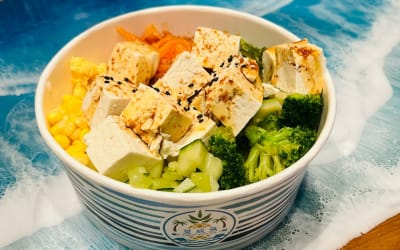
- Tofu and tempeh: Versatile proteins that readily absorb flavours in curries and pan-dishes.
- Unsweetened soya milk or yoghurt: An easy morning swap for breakfast cereals or smoothies.
- Flaxseeds (linseeds): Rich in lignans (another form of phytoestrogen) as well as healthy fats and soluble fibre. Ground flaxseed is easier for the body to absorb.
Consistency matters when introducing phytoestrogens, and it can take several weeks of regular eating before you notice whether they suit you. If you've already read my guide on perimenopause nutrition strategies, you'll know that plant variety plays a useful role in overall wellbeing through this stage.
Steady Meals and Body Temperature
Some women notice a link between big swings in energy after sugary meals and feeling hot. When you eat refined carbohydrates or sugary snacks on their own, blood sugar can rise quickly and then dip, and that dip may prompt the release of stress hormones like adrenaline, which can raise heart rate and make you feel warmer, so for some people it may contribute to a flush.
In my 1-to-1 client consultations, building steadier meals is often one of the first things we look at. Pairing wholegrain carbohydrates with protein and healthy fats gives a slower, steadier release of energy. For instance, swapping white toast for a slice of seeded sourdough topped with mashed avocado and poached eggs may make mid-morning feel more comfortable. If this resonates, exploring our menopause nutrition guidance can help you adapt these ideas to your daily routine.
Noticing Your Dietary Triggers
Alongside adding supportive foods, it can help to notice which foods and drinks seem to set off your flushes. Some substances stimulate the nervous system or widen blood vessels, and many women find they worsen hot flushes:
Caffeine: Found in coffee, energy drinks, and strong black tea, caffeine stimulates the nervous system and raises heart rate, which may make heat surges feel more likely.
Alcohol: Alcohol widens blood vessels near the skin surface and can disturb sleep, which may add to night sweats and waking. You might find more context in our article on menopause weight gain.
Spicy Foods: Capsaicin, the active compound in chillies, activates heat receptors in your mouth and body, which can prompt sweating.
Rather than cutting everything out overnight, I suggest keeping a simple symptom and food diary for a week. Noting when hot flushes occur alongside what you ate or drank beforehand often reveals personal patterns.
Hydration, Omega-3s, and Minerals
Staying well hydrated is a sensible habit. Sweating leads to fluid loss, and feeling dehydrated can make you feel worse in the heat, so keep water within reach through the day, perhaps infused with cucumber or mint for cooling refreshment.
Omega-3 fatty acids, found in oily fish like salmon, mackerel, and sardines, as well as walnuts and chia seeds, are part of a heart-friendly pattern of eating that suits this life stage. Calcium and magnesium-rich foods also matter as oestrogen levels shift; feel free to read my guide on bone health and nutrition to learn how these minerals relate to your bones.
If you have added flaxseeds to your porridge and swapped your evening wine for herbal tea, yet a surge of heat still leaves you throwing off the duvet at 3 am, general food lists may feel too broad. How food fits your own routine, tastes, and triggers is personal. Through my 1-to-1 online nutrition services, we can look at your meals together and shape food choices that feel more comfortable for you, or you can get in touch directly to book your initial consultation.