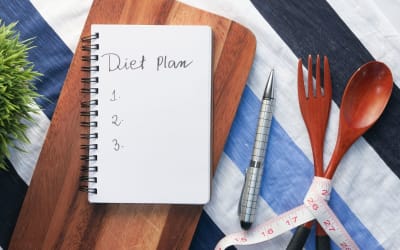
If you have ever found yourself reaching for takeout after a long day simply because you had nothing ready to eat, meal prepping might be the game-changer you need. Preparing meals in advance is one of the most effective strategies for eating healthier, saving money, and reducing the daily stress of figuring out what to cook. The best part is that you do not need to be a seasoned chef or spend your entire Sunday in the kitchen to get started. With a few basic principles and a little planning, anyone can build a meal prep routine that sticks.
Why Meal Prep Works
The benefits of meal prepping extend far beyond convenience. When you prepare meals ahead of time, you are far more likely to make nutritious choices because the decision-making happens during a calm planning session rather than when you are hungry and tired. Meal prepping also saves significant money by reducing impulse purchases, takeout spending, and food waste. When you buy ingredients with a plan in mind, very little goes unused. For many people, it also becomes a form of self-care, a weekly ritual that sets a positive, intentional tone for the days ahead.
Getting started requires only a few essentials. Invest in a set of quality, leak-proof containers in various sizes. Glass containers are ideal because they are microwave-safe, easy to clean, and do not retain odors. A good set of knives, a large cutting board, a sheet pan, and a sturdy pot are really all you need in terms of equipment. As you grow more comfortable, you can expand your toolkit, but simplicity is key when you are just beginning.
Planning Your Weekly Menu
Start by choosing three to four recipes for the week that share overlapping ingredients. For example, if you roast chicken for dinner, plan to use leftover chicken in salads or wraps for lunch. Cook a large batch of grains like brown rice or quinoa that can serve as a base for multiple meals. Roast a variety of vegetables on a single sheet pan to mix and match throughout the week. This approach, often called batch cooking, maximises your time in the kitchen and minimises repetition in your meals.
When planning, think in terms of building blocks rather than complete dishes. Prepare your proteins, grains, and vegetables separately so you can combine them in different ways. Monday's grain bowl with roasted sweet potatoes and black beans can become Wednesday's burrito filling with different toppings. This flexibility keeps meals interesting and prevents the boredom that often derails new meal preppers.
Storage, Safety, and Getting Started
Proper food storage is essential for both safety and quality. Most prepped meals last three to four days in the refrigerator, so if you are cooking for the full week, plan to freeze portions you will eat later. Label your containers with the date and contents. Allow hot foods to cool before sealing and refrigerating to prevent bacterial growth. When reheating, ensure food reaches an internal temperature of 165 degrees Fahrenheit for safety.
If this all feels overwhelming, start small. Prep just your lunches for the workweek, or simply wash and chop your vegetables in advance. Even these minor steps remove friction from healthy eating and build momentum. As meal prepping becomes a habit, you will find yourself naturally expanding your efforts, trying new recipes, and enjoying the peace of mind that comes with knowing a wholesome meal is always within reach.
Wondering how this applies to you specifically?
The '3-2-1' Nutrificient Assembly Framework
In my practice, the single biggest hurdle clients face with meal prepping isn't a lack of time – it is knowing how to construct meals that genuinely satisfy appetite and maintain steady blood sugar throughout the working day. To align with UK dietary guidelines and help my clients reach the target of 30 grams of fibre daily, I teach a visual building-block protocol rather than tedious macro-counting. Every prepped lunch bowl should follow this simple '3-2-1' balance rule:
- 3 Portions of Fibre & Micronutrients: Include at least three distinct colourful plant foods per container (such as roasted courgettes, steamed broccoli, and raw cherry tomatoes). Aiming for variety across the week supports gut microbiome diversity and keeps meal textures interesting.
- 2 Core Anchor Components: Pair one palm-sized portion of quality protein (120–150g of baked chicken breast, salmon fillet, or smoked tempeh) with one fist-sized portion of complex, low-glycaemic carbohydrates (such as quinoa, giant couscous, or lentil pasta).
- 1 Healthy Fat Accent: Add one small serving of whole-food fat – such as a tablespoon of extra virgin olive oil dressing, a sprinkle of toasted pumpkin seeds, or a quarter of an avocado added fresh – to slow digestion and optimise fat-soluble vitamin absorption.
To execute this efficiently without taking over your weekend, I routinely guide clients through a structured '90-Minute Prep Window'. Spend the first 15 minutes washing, dicing, and seasoning your ingredients. The following 45 minutes are passive oven time: roast one tray of seasoned vegetables alongside a second tray of your chosen protein at 200°C (180°C fan), while simmering a pan of grains on the hob. Use the remaining 30 minutes to let the cooked food cool safely before portioning into four clear glass containers. In just an hour and a half, you secure four nutrient-dense, blood-sugar-balancing weekday lunches that prevent afternoon energy slumps and keep your nutrition goals effortlessly on track.
If you are looking for personalised weight loss support, I can help.
For related reading, see my posts on ozempic and nutrition for weight loss and the plate method for balanced eating.
When you find yourself binning soggy prep by Thursday night or dreading a third day of identical, dry meals, basic batch-cooking advice has reached its limit. Real consistency requires a flexible strategy tailored to your appetite, schedule, and energy needs. If you are ready to build a seamless routine that makes nourishing meals effortless, book a free discovery call via my services or drop me a line on the contact page to transform your daily nutrition.