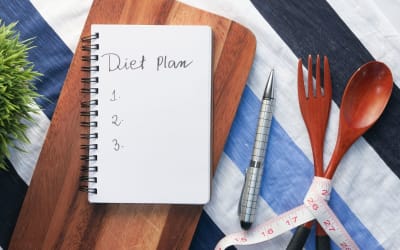
As a registered public health nutritionist, I often get asked about the importance of portion control in maintaining a healthy diet. Portion control is a crucial aspect of healthy eating, and it's not just about counting calories. It's about understanding the right amount of food your body needs to function properly.
A well-balanced diet that includes a variety of whole foods, such as fruits, vegetables, whole grains, lean proteins, and healthy fats, is essential for maintaining good health. However, even healthy foods can be detrimental to our health if consumed in excess. This is where portion control comes in - it helps us avoid overeating and maintain a healthy weight, which is particularly important for individuals trying to manage weight loss or diabetes nutrition.
Why is Portion Control Important?
Portion control is important because it helps us develop a healthy relationship with food. When we eat the right amount of food, we feel satisfied, but not stuffed. This helps us avoid overeating and reduces the risk of chronic diseases, such as heart disease, type 2 diabetes, and certain types of cancer. Additionally, portion control can help individuals with specific dietary needs, such as those requiring gut health support or PCOS nutrition, to manage their condition more effectively.
Portion control is also important for children, as it helps them develop healthy eating habits from a young age. As a parent, it's essential to model healthy eating habits and teach your children about portion control to help them maintain a healthy weight and reduce the risk of chronic diseases later in life, which is a key aspect of children's nutrition.
How to Practice Portion Control
Practicing portion control is easier than you think. Start by using smaller plates and bowls to help control the amount of food you eat. You can also use measuring cups or a food scale to measure out your food portions. Another helpful tip is to eat slowly and mindfully, savoring each bite, and stopping when you feel satisfied, rather than stuffed. For individuals experiencing menopause, incorporating menopause nutrition principles into their diet can also help with portion control and overall health.
It's also essential to be aware of the serving sizes of the foods you eat. Check the nutrition label to see what a standard serving size is, and try to stick to that amount. You can also use visual cues, such as the size of your fist or the palm of your hand, to estimate your food portions. Furthermore, certain nutritional approaches, such as GLP-1 support, can aid in appetite regulation and portion control.
Maintaining a Healthy Diet
Maintaining a healthy diet is not just about portion control; it's also about making healthy food choices. Focus on whole, unprocessed foods, such as fruits, vegetables, whole grains, lean proteins, and healthy fats. Limit your intake of processed and packaged foods, which are often high in unhealthy ingredients and added sugars. If you're struggling to maintain a healthy diet or need personalised advice, consider booking an online consultation with a registered nutritionist.
Wondering how this applies to you specifically?
Practical Visual Anchors: The Hand-Based Portion Guide
In my online consultancy, I encourage clients to move away from constant food weighing and calorie-tracking apps, which can quickly feel restrictive and impractical long-term. Instead, I frequently introduce a hand-based portioning system aligned with UK public health guidance. Because your hand size is generally relative to your body size, it serves as a personalised, portable tool for estimating meal components. As a general guide for structuring main meals, I recommend using these visual reference points:
- Lean Protein (fish, poultry, tofu, lentils): Aim for a portion roughly the size and thickness of your palm (approximately 75–100g cooked weight).
- Vegetables and Salad: Target a closed fist-sized portion or two cupped hands (around 80g, which contributes directly to one of your 5 A Day).
- Complex Carbohydrates (cooked wholewheat pasta, brown rice, potatoes): Use a single cupped hand to gauge a baseline portion (around 75–150g cooked, adjusted for activity level).
- Healthy Fats (oils, seeds, nut butters): Measure using your thumb, where the thumb tip represents roughly 1 teaspoon (5g) and a full thumb length equals 1 tablespoon (15g).
To translate this into daily eating habits, try using the visual plate method for lunch and dinner: fill half your plate with non-starchy vegetables to boost dietary fibre, one quarter with lean protein, and the remaining quarter with smart carbohydrates, finished with a thumb-sized portion of healthy fat. A practical protocol I share with clients is to eat the fibre and protein components of the meal first. Evidence indicates this specific eating sequence can help slow gastric emptying, promoting steady satiety signals and aiding post-meal glucose control.
While these general benchmarks offer a practical foundation for weight management and overall wellness, individual energy and nutrient demands vary considerably based on age, physical activity, and metabolic status. If you are living with a diagnosed medical condition, such as type 2 diabetes or heart disease, I recommend discussing any significant dietary adjustments with your GP to ensure your nutrition plan safely supports your clinical needs.
For related reading, see my posts on cheap healthy meals: how to eat well during the cost of living crisis and sustainable healthy eating: how to eat well for health and the planet.
When standard visual hand-guides still leave you fighting 4 pm energy slumps or raiding the cupboards by 9 pm, generic rules have reached their limit. You can book a one-to-one consultation or schedule a quick chat so we can calibrate your meal sizes to your body's true metabolic demands, giving you steady energy and total hunger confidence.