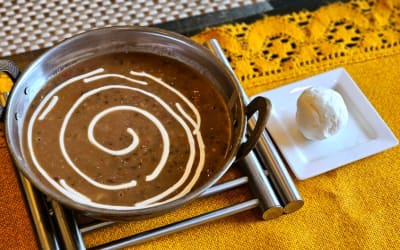
Do you ever stare at a family feast of biryani, roti and sweet gulab jamun and wonder how you can still enjoy those flavours while keeping your blood sugar in check? In my practice I see many South Asian clients who love their traditional dishes but feel uncertain about what to change. This guide pulls together the science, cultural wisdom and everyday tactics you want to support your health without giving up the foods you cherish.
Understanding the South Asian Diabetes Risk
South Asians are three times more likely to develop type 2 diabetes than the general UK population, according to NHS data. The risk stems from a combination of genetics, higher visceral fat accumulation and dietary patterns rich in refined carbohydrates and saturated fats. Recognising these factors is the first step to tailoring a nutrition plan that works for you.
Key Nutrients to Prioritise
Research suggests that fibre, healthy fats and protein are especially protective for South Asian bodies. Aim for at least 30g of fibre a day – sources such as lentils, chickpeas, whole-grain chapati and leafy greens not only slow glucose absorption but also support gut health, a factor linked to insulin sensitivity.
Include omega-3 rich foods (e.g., mackerel, sardines, walnuts) to reduce inflammation, and choose lean protein (tandoori chicken, paneer made from low-fat milk, tofu) to stabilise blood glucose between meals.
Traditional Foods Made Healthier
You don’t need to abandon beloved recipes. Small tweaks can dramatically lower the glycaemic impact:
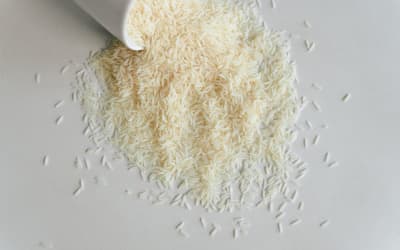
- Swap white basmati rice for brown basmati or a 50:50 blend; the extra fibre reduces post-meal spikes.
- Replace refined wheat flour (maida) with whole-grain atta for rotis and parathas.
- Limit added sugar in sweets; use natural sweeteners like stevia or a modest drizzle of honey instead of large sugar loads.
- Incorporate spices such as turmeric, cinnamon and fenugreek – they have modest blood-sugar-lowering properties and add depth of flavour.
Meal Planning Tips for Everyday Life
Consistent carbohydrate timing helps keep glucose stable. I recommend a plate method: half non-starchy veg, a quarter lean protein, and a quarter whole-grain carbohydrate. This visual guide works well whether you’re at home or ordering take-away.
- Plan your meals the night before – write down portion sizes and include a fibre-rich side.
- Keep healthy snacks handy (roasted chana, Greek yogurt, mixed nuts) to avoid high-sugar cravings.
- Stay hydrated; water and unsweetened herbal teas aid kidney function and satiety.
- Use a food diary or a simple app to track blood glucose trends alongside meals – this insight is invaluable when you discuss your plan with your GP.
For those interested in broader lifestyle support, see my GLP-1 support page for how certain foods can enhance medication effectiveness.
Supporting Blood Sugar with Lifestyle
Nutrition is only one piece of the puzzle. Regular physical activity, adequate sleep and stress management all influence insulin sensitivity. A brisk 30-minute walk after dinner, a short yoga session in the morning, or even a few minutes of deep-breathing can make a measurable difference, as highlighted in NICE guidelines.
If you are managing a diagnosed condition, always discuss any major dietary changes with your GP. I can provide personalised nutrition support alongside that clinical care, helping you translate recommendations into realistic meals that fit your cultural palate.
In my online consultations I often combine evidence-based advice with practical tools – grocery lists, portion guides and recipe swaps – so you feel confident making changes without feeling deprived.
Ready to take the next step? Explore my services page to see how a one-to-one session can be tailored to your South Asian diet, and feel free to contact me to arrange a time. Together we can turn traditional flavours into a sustainable diabetes-friendly lifestyle.