Have you noticed unexpected changes in your period regularity, sudden hot flushes, or persistent fatigue in your late 30s or early 40s? For many South Asian women, the transition into menopause occurs significantly earlier than the UK average of 51. Navigating early menopause – whether naturally occurring or clinically induced – can feel overwhelming, particularly when standard dietary advice ignores traditional South Asian staples like roti, dal, and aromatic spices.
In my practice as a UK-registered nutritionist, I frequently work with South Asian women who feel caught between traditional family meals and generic health guidance. Experiencing early oestrogen decline requires a focused approach, as it directly impacts your long-term bone density, metabolic wellbeing, and cardiovascular health. Because early menopause carries distinct clinical implications, I always recommend discussing any significant dietary shifts or symptom changes with your GP to ensure comprehensive medical care.
Why Early Menopause Requires a Targeted Strategy
Oestrogen plays a protective role in female health, acting as a key regulator of bone remodeling, blood vessel elasticity, and insulin sensitivity. When oestrogen levels drop prematurely, South Asian women face an accelerated risk of osteopenia, osteoporosis, and metabolic changes. Combining this hormonal shift with a genetic predisposition to insulin resistance means tailored menopause nutrition is not optional – it is essential.
Generic advice often tells women to simply consume more dairy or swap out traditional meals entirely. In reality, you do not need to give up your cultural foods to safeguard your health. By making intentional tweaks to your daily meals, you can preserve bone mass and maintain stable blood glucose levels without sacrificing flavor or tradition. If you have previously managed hormonal conditions, you may recognise similar metabolic patterns discussed in my guide on PCOS in South Asian women.
Protecting Bone Health with Traditional Desi Foods
Bone mineral density peaks in our late twenties, and the rapid decline in oestrogen during early menopause accelerates bone loss. South Asian women in the UK already experience higher rates of Vitamin D deficiency due to lower synthesis in darker skin tones during UK winters. Protecting your skeleton requires a consistent combination of dietary calcium, Vitamin D, protein, and trace minerals.
Rather than relying solely on milk or cheese, you can easily incorporate powerful bone-supporting ingredients into your regular cooking routine. Here are key culturally relevant swaps to strengthen your diet:
- Embrace Ragi (Finger Millet): Ragi is exceptionally rich in calcium compared to standard wheat flour. Mix ragi flour with your traditional chakki atta when making rotis or cook it as a savory porridge (kanji).
- Optimise Sesame Seeds (Til): Roasted white or black til can be ground into chutneys, sprinkled over subzis, or added to homemade laddoos sweetened naturally with dates.
- Choose Calcium-Rich Greens: Leafy greens like sarson (mustard greens), methi (fenugreek), and spinach offer valuable micronutrients. Pair them with a source of Vitamin C, like a squeeze of lemon juice, to maximise absorption.
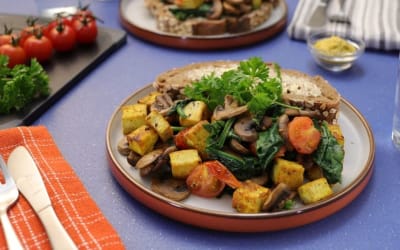
- Incorporate Plant Proteins: Tofu and paneer provide essential amino acids for muscle and bone matrix maintenance. Tofu absorbs traditional curry spices beautifully while supplying plant-based calcium.
For a broader look at protecting your skeleton through midlife, explore my detailed analysis of the bone health and nutrition connection.
Managing Metabolic Risk and Blood Sugar Stability
Earlier loss of oestrogen alters how your body processes carbohydrates, often leading to increased abdominal fat deposition and elevated fasting blood glucose. South Asian diets rich in refined white rice and white flour rotis can exacerbate these spikes. Maintaining steady blood sugar is vital to managing both short-term symptoms, like mood swings and energy crashes, and long-term risks, such as type 2 diabetes.
In my consultations, I never advocate cutting out carbs entirely. Instead, we focus on smart carbohydrate quality and portion balancing. Combining lentils (dal) or chickpeas (chana) with high-fibre vegetables slows down digestion, curbing post-meal glucose spikes. If you are concerned about your metabolic markers, aligning your meals with diabetes nutrition principles can offer tremendous protective benefits. You can also read more about managing midlife hormonal changes in my post on perimenopause diet changes in your 40s.
Harnessing Natural Phytoestrogens
Phytoestrogens are naturally occurring plant compounds that weakly bind to oestrogen receptors in the body, helping to cushion the impact of falling hormone levels. Research suggests that regular consumption of phytoestrogens may help reduce the frequency of hot flushes and night sweats.
Traditional South Asian kitchens are naturally equipped with phytoestrogen sources. Soybeans, edamame, whole lentils, and flaxseeds (alsi) are excellent options. Adding a tablespoon of freshly ground alsi to your daily yoghurt or morning oatmeal is a quick, practical habit that supports both hormonal balance and digestive health.
You might also find my post on phytoestrogens for menopause: do they work? helpful.
Navigating early menopause while maintaining your cultural connection to food does not have to feel restrictive or complicated. If you are experiencing premature menopausal symptoms and want a tailored, culturally sensitive plan to protect your bone density, heart health, and energy, explore my nutrition services or get in touch through my contact page to book a personalized online consultation today.