Ever stood in front of the pantry wondering which foods will keep you feeling steady without sacrificing flavour? In my practice I often hear the same question from people newly diagnosed with type 2 diabetes: "How do I eat well without feeling restricted?" This post walks you through the core principles of a sustainable diabetes-friendly way of eating, gives a realistic sample day, and offers a free three-day download you can start using today.
Principles of a Balanced Diabetes-Friendly Plate
These evidence-based pillars shape the plans I design for clients:
- Regular, even meals: spread your carbohydrates through the day rather than loading them into one big meal, and choose wholegrain and fibre-rich sources.
- Prioritise fibre: choose wholegrains, pulses, fruit and vegetables. Fibre slows glucose absorption.
- Lean protein and healthy fats: include fish, skinless poultry, tofu or low-fat dairy, and add nuts, seeds or olive oil for satiety.
- Limit added sugars and refined starches: replace sugary drinks and white bread with water, herbal tea and wholegrain alternatives.
- Mindful portions: use the plate method, with half your plate non-starchy vegetables, a quarter protein and a quarter carbohydrate.
These five rules form the scaffold of any plan I create. They are simple enough to follow at home but flexible enough to fit a busy lifestyle.
Sample Day: What I Might Eat With a Client
Here is a realistic day that respects the principles above while keeping preparation time short. Portions are flexible and should suit your own appetite and needs.
- Breakfast: porridge made with rolled oats and semi-skimmed milk, with blueberries, a sprinkle of cinnamon and chia seeds for extra fibre.
- Mid-morning snack: an apple with a small handful of unsalted almonds.
- Lunch: a wholegrain wrap filled with grilled chicken breast, mixed salad leaves, cucumber and grated carrot with a low-fat yogurt dressing, served with a lentil salad with red pepper, parsley and lemon juice.
- Afternoon snack: low-fat Greek yogurt topped with mixed berries.
- Dinner: baked salmon with a herb crust, roasted sweet potato wedges and steamed broccoli, finished with a squeeze of lemon.
- Evening snack (optional): a few carrot sticks with hummus.
This menu spreads carbohydrates evenly across the day, with fibre-rich sources at every meal. It also includes plenty of protein and heart-healthy omega-3s from the salmon.
How to Use the Free 3-Day Download
To help you get started, I've created a printable three-day guide that mirrors the sample day structure. It includes a grocery list, simple recipes and a quick tracker for meals and how you feel. Pop your name and email into the form below and it will land in your inbox straight away.
Using the Eatwell Guide and UK Labels
The Eatwell Guide is the UK government's healthy eating model, and the plate method above is a simple way to picture a similar balance: plenty of vegetables, a portion of starchy carbohydrate (ideally wholegrain), some protein and a little unsaturated fat. When you shop, compare per 100g and use the red, amber and green labels for sugars, fat, saturated fat and salt. For fibre, look in the nutrition table, where 3g or more per 100g is a source and 6g or more is high fibre. My guide to the best bread for diabetes in UK supermarkets shows how to use those checks on a real shelf.
A South Asian Version of the Sample Day
- Breakfast: moong dal chilla or a besan omelette with mint yoghurt, or vegetable upma with plenty of vegetables and a modest portion of semolina.
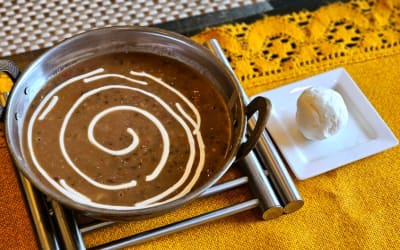
- Lunch: dal with a modest portion of brown rice or one wholemeal roti, a big salad and cucumber raita.
- Snack: roasted chana or a small handful of unsalted nuts.
- Dinner: baked fish or paneer with a vegetable sabzi such as cauliflower, spinach or okra, and a small roti.
- Evening (optional): unsweetened yoghurt or a piece of fruit.
For more on the individual pieces, see my guides to dal and lentils, rice versus roti and curry, spices and oils.
A UK Supermarket Shopping List
- Rolled oats, eggs and plain yoghurt.
- Frozen berries and frozen mixed vegetables.
- Tinned lentils, chickpeas and beans in water.
- Seeded wholemeal bread, wholemeal wraps, brown basmati rice or wholewheat atta.
- Tinned sardines, mackerel or salmon, or frozen fish fillets.
- Unsalted nuts and seeds, and olive or rapeseed oil.
The NHS counts frozen and tinned vegetables towards your 5 A DAY, so the freezer aisle is a perfectly sensible place to shop on a busy week.
Practical Tips for Everyday Success
Even a well-designed plan can falter without everyday habits that support it. Here are a few quick actions you can adopt right now:
- Keep a small notebook or use a phone app to note your meals and how you feel. Consistency beats perfection.
- Swap sugary sauces for herbs, spices, vinegar or mustard. Flavour stays, sugar goes.
- Plan your meals ahead of grocery trips. A prepared list reduces impulse buys of high-sugar snacks.
- Stay hydrated through the day.
- Combine carbohydrate-rich foods with protein or healthy fat, for example an apple with cheese.
These small adjustments become powerful when repeated daily.
Where Professional Support Fits In
As a registered nutritionist, I provide personalised nutrition support that complements medical care. If you have been diagnosed with type 2 diabetes, I work alongside your doctor, particularly if you take medication that can cause low blood sugar, so that any food changes sit well with your wider care.
During a one-to-one online consultation I can review your current eating patterns, suggest food and portion ideas, and tailor the three-day guide to your cultural preferences and activity level.
Feel free to explore my other condition-specific pages, such as weight loss, menopause nutrition, gut health, PCOS/PMOS nutrition, diabetes nutrition, children's nutrition, GLP-1 support and online consultation for further ideas.
A sample day gives you a good starting point, but everyone's meals, routine and preferences differ. If you would like help adapting it to your own life, explore my services page or head to contact to book a consultation, so we can build practical, enjoyable food ideas together.