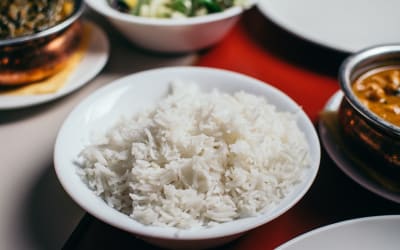
The short answer: for type 2 diabetes risk, traditionally made wholewheat roti usually has the edge over white rice, because it tends to have a lower glycaemic index and more fibre, which means a gentler effect on blood sugar. But portion size, and adding fibre and protein to the plate, matter more than the choice between them.
Do you find yourself reaching for a plate of steaming basmati rice or a stack of soft roti at every family dinner, wondering which is better for your health? In my practice, I often see South Asian clients grappling with this exact question, especially when they have a family history of type 2 diabetes.
Why the South Asian diet matters for diabetes risk
People of South Asian heritage are at a higher risk of type 2 diabetes than the general UK population. The risk is shaped by a mix of genetics, lifestyle and dietary patterns, including diets rich in refined carbohydrates such as white rice and white flour roti.
Rice and roti: nutritional differences at a glance
Both staples provide mainly carbohydrate energy, but there are differences that can influence how quickly blood glucose rises:
- Rice: typically has a higher glycaemic index (GI), especially polished white rice, which means it raises blood glucose more quickly.
- Roti: made from wholewheat flour (atta) when prepared traditionally, it usually has a lower GI and more fibre, which slows glucose absorption.
- Portion size: rice is denser in carbohydrate per gram and is easy to serve generously, so you can unintentionally eat more of it than you realise.
In my consultations, I encourage clients to compare portion sizes visually, such as a fist-sized scoop of rice next to a couple of roti, each about the size of a palm.
Body weight and risk for South Asians
UK guidance recognises that people of South Asian heritage can face higher health risks at a lower body mass index than the general population. This means many people classed as "healthy weight" by generic charts may still benefit from paying attention to everyday food choices. It is another reason to focus on what you can choose: the quality and balance of your meals.
Practical portion-size strategies for everyday meals
Here are simple adjustments you can start using tonight:
- Serve your rice with a measuring cup or a small bowl so you know what a typical portion looks like, and keep it smaller than the vegetables and dal on the plate.
- Swap one serving of rice for a wholewheat roti, or combine a smaller scoop of rice with one roti to balance the load.
- Boost fibre by adding lentils, beans or chopped vegetables to the plate, which supports your gut health too.
Research suggests these kinds of tweaks can help lower post-meal glucose peaks, though individual results vary. To see how this fits across a whole day, have a look at my sample day of eating with type 2 diabetes.
Beyond the plate: lifestyle factors that complement food changes
Portion size is only part of the picture. Regular physical activity, enough sleep and looking after your stress levels all influence insulin sensitivity. I often suggest a brisk walk after dinner, which is a simple, low-cost habit. If you're already working on your weight, take a look at the weight loss page for more ideas. If fatty liver is also on your radar, my post on diabetes and fatty liver covers the wider food picture.
Rice and roti on a UK shopping list
In the UK you can usually find wholemeal atta, brown basmati and parboiled rice in the world foods aisle of larger supermarkets as well as in Asian grocers, often in bigger bags that cost less per kilo. When you compare packs, look at fibre per 100g in the nutrition table: 3g or more lets a food say “source of fibre” and 6g or more “high fibre”. On ready-made rotis and chapatis, check that wholemeal or whole wheat flour comes first in the ingredients, as some are made mostly with refined flour. Services for people at higher risk of type 2 diabetes, such as the NHS Health Check and the NHS Diabetes Prevention Programme, are run locally and arrangements differ across the UK, so it is worth finding out what is available where you live.
When a personal approach helps
If you have a family history of diabetes, prediabetes or are in a higher-risk group, a personalised nutrition plan can make a real difference. As a registered nutritionist, I can help you:
- Look at your typical meals and spot hidden carbohydrates.
- Create a sustainable portion guide that respects cultural preferences.
- Build everyday food habits that fit your routine in a realistic way.
If you have prediabetes or a diagnosed condition, I work alongside your doctor, with my food support complementing that care rather than replacing it. For more detail on eating well with type 2 diabetes, you may find the type 2 diabetes nutritionist resource useful.
In my online practice, I work with clients across the UK, offering video consultations that fit around your family commitments. Whether you're looking to lower your risk or eat well with an existing condition, a tailored approach is more helpful than generic advice.
Related reading
- South Asian, Middle Eastern & vegetarian nutrition consultations
- Diabetes nutrition
- Low-GI roti and chapati flour blends
- Curry, spices and oils: blood sugar tips
If you have swapped white rice for wholewheat roti and still feel unsure about what suits your own meals, a personal look at your plate can help. Feel free to book a consultation or connect through my contact page so we can build practical, food-first ideas that fit your family.