When clients come to see me after receiving a diagnosis of metabolic dysfunction-associated steatotic liver disease (fatty liver) alongside type 2 diabetes, they are often overwhelmed. It can feel like you are suddenly tasked with protecting two vital organs at once while navigating confusing advice about carbohydrates, fats, and weight management. However, the connection between these two conditions is deeply rooted in insulin resistance. The good news is that the dietary strategies that help improve blood sugar control are remarkably aligned with those that reduce fat accumulation in the liver.
Insulin acts as a master key in the body, helping cells absorb glucose from the bloodstream. When insulin resistance develops, your pancreas works overtime to produce extra insulin, but blood sugar levels remain elevated. At the same time, high circulating insulin signals the liver to store excess energy as fat. Over time, this fat builds up within liver cells, driving inflammation and further impairing the liver's ability to process carbohydrates effectively. In my diabetes nutrition consultations, I explain that addressing insulin resistance directly targets the primary driver of both conditions.
Because significant changes in diet can influence blood sugar levels and medication requirements, I always advise clients to discuss major dietary modifications with their GP prior to making drastic changes. Working alongside your doctor ensures your health markers and medications are monitored safely as your nutrition improves.
Understanding Carbohydrates: Quality Over Restriction
Many people assume that managing blood sugar and a fatty liver requires eliminating carbohydrates entirely. However, completely removing carbs is rarely necessary or sustainable for long-term health. Instead, shifting your focus toward the quality and structure of your carbohydrates makes a profound impact. Rapidly digested, refined carbohydrates like white bread, sugary snacks, and sweetened beverages cause rapid spikes in blood sugar and insulin, which directly promotes fat synthesis in the liver.
Replacing these refined options with high-fibre carbohydrates slows glucose absorption, preventing severe blood sugar spikes and reducing the insulin surge that fuels liver fat accumulation. Research suggests that increasing dietary fibre significantly supports metabolic health and promotes a healthy liver profile.* In my 1-to-1 work, I frequently guide clients through simple meal tweaks, such as switching to whole grains, pulses, and legumes. If you are exploring how specific foods affect your blood glucose, reading my article on can type 2 diabetes be reversed offers further helpful context.
The Role of Healthy Fats in Liver and Blood Sugar Health
It is a common myth that eating dietary fat directly creates a fatty liver. In reality, the type of fat you consume plays a critical role in metabolic function. Saturated fats, found in heavy portions of processed meats, butter, and fried foods, can increase liver fat accumulation and promote systemic inflammation. Conversely, unsaturated fats, particularly monounsaturated and omega-3 fatty acids, help reduce liver fat and improve insulin sensitivity.
Including foods rich in olive oil, avocados, walnuts, chia seeds, and oily fish like salmon or mackerel provides your body with anti-inflammatory fats that support liver cellular function. If you are also managing cardiovascular markers, you can read my guide on diet priorities for controlling diabetes and cholesterol for deeper insights on structuring fats for heart and blood sugar health.
Wondering how this applies to you specifically?
Practical Dietary Changes for Daily Meals
Building balanced meals that address both diabetes and fatty liver does not require restrictive or overly complicated rules. Small, consistent daily adjustments create significant long-term momentum. Here are practical steps you can implement today:
- Fill half your plate with non-starchy vegetables such as leafy greens, broccoli, peppers, and cauliflower to increase fibre and micronutrient intake.
- Choose lean protein sources like lentils, beans, tofu, poultry, or fish at every meal to preserve muscle mass and support overall weight loss when needed.
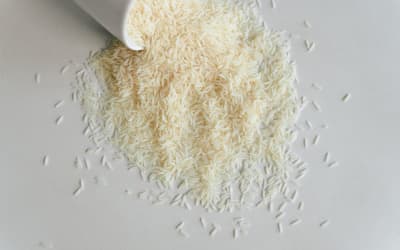
- Swap refined grains for whole grains like oats, quinoa, brown rice, or low-GI alternative flours to keep blood sugar stable; see my practical guide on low-GI rice swaps for diabetes.
- Replace sugary drinks and fruit juices with water, herbal teas, or sparkling water with fresh lemon slices to avoid fructose overload on the liver.
- Limit processed foods high in added sugars and hidden saturated fats, prioritising whole, minimally processed ingredients instead.
The Benefits of Consistent, Gradual Weight Management
Carrying excess visceral fat, particularly around the abdomen, heavily influences both liver fat storage and blood glucose control. Studies published by Diabetes UK highlight that modest weight loss, often around 5% to 10% of total body weight, can dramatically reduce liver fat content and improve glycaemic control.* Crucially, rapid starvation diets or extreme cleanses should be avoided, as sudden drastic weight drops can actually stress the liver and provoke inflammation.
A steady, sustainable approach based on nourishing, balanced whole foods is always superior to short-term quick fixes. In my online consultation service, I work with clients across the UK and globally to create tailored nutrition plans that fit seamlessly into their daily lives without requiring extreme sacrifices.
Take Control of Your Liver and Blood Sugar Health
You might also find my post on does coffee spike blood sugar in diabetes? helpful.
Navigating both type 2 diabetes and fatty liver can feel complex, but you do not have to figure it out alone. By making clear, structured choices around fibre, healthy fats, and balanced meal composition, you can support both your liver function and your blood glucose stability simultaneously. If you are ready for a tailored nutrition strategy designed specifically for your health background, lifestyle, and dietary preferences, explore my nutrition services or get in touch via my contact page to book your personalised consultation today.