When you or a loved one receives a type 2 diabetes diagnosis, navigating everyday food choices can suddenly feel overwhelming. You might find yourself staring at supermarket shelves wondering which foods will keep your blood glucose steady and which might cause an unexpected spike. In my practice as a registered nutritionist, I frequently meet clients who feel frustrated by overly restrictive diets that take away the joy of eating.
Managing blood glucose effectively does not mean living on plain salad leaves or cutting out carbohydrates entirely. Instead, it is about understanding how different nutrient combinations influence insulin sensitivity and metabolic health. Before making significant changes to your diet, I recommend discussing them with your GP to ensure your medication and meal timing remain appropriately balanced.
Foods to Enjoy Generously: Fill Your Plate with Fibre and Protein
The foundation of a blood sugar friendly eating pattern relies heavily on foods that digested slowly, providing steady, sustained energy. Fibre acts as a natural buffer, slowing down the rate at which glucose enters your bloodstream. According to the NHS, choosing foods with a lower glycaemic index and higher dietary fibre helps stabilise blood sugar levels across the day.*
When planning your daily meals, aim to include plenty of non-starchy vegetables, nutrient-rich plant proteins, and healthy fats. Here are key foods to include regularly:
- Non-starchy vegetables: Broccoli, cauliflower, spinach, kale, peppers, courgettes, and green beans.
- Pulses and legumes: Lentils, chickpeas, black beans, and kidney beans, which provide dual benefits of protein and soluble fibre.
- Lean proteins: Tofu, tempeh, eggs, poultry, and oily fish like salmon or mackerel, which support satiety without raising blood glucose.
- Nuts and seeds: Almonds, walnuts, chia seeds, and flaxseeds, rich in unsaturated fats that help improve insulin sensitivity.
For those managing both blood glucose and weight, combining these fibrous foods with lean proteins forms a powerful strategy. You can explore more about blood glucose support on our diabetes nutrition page.
Foods to Enjoy in Moderation: Smart Portioning and Low-GI Carbs
Carbohydrates are your body's primary energy source, so eliminating them completely is rarely necessary or sustainable. Diabetes UK emphasizes that eating complex carbohydrates, lean protein, and healthy fats helps slow down glucose absorption into the bloodstream.* The secret lies in choosing complex, intact starches and watching portion sizes.
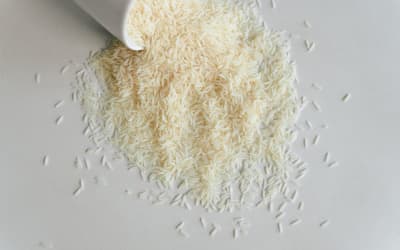
Rather than avoiding carbohydrates altogether, focus on quality and balance. If you enjoy South Asian or Mediterranean staples, simple swaps make a noticeable difference. For example, opting for brown basmati rice, quinoa, or wholewheat chapati flours allows for a much gentler blood sugar response compared to refined white varieties. You can read more about carbohydrate management in our guide on Carb Counting for Diabetes.
Foods to Limit or Avoid: Reducing Simple Sugars and Refined Carbs
Certain foods trigger rapid surges in blood glucose followed by sharp crashes, leaving you feeling fatigued and hungry soon after eating. Minimising these items helps keep your baseline insulin demands manageable throughout the day.
Key items to limit include:
- Sugar-sweetened beverages: Regular fizzy drinks, sweetened fruit juices, energy drinks, and heavily sweetened teas or coffees.
- Refined starches: White bread, white pasta, pastry, and low-fibre breakfast cereals.
- Ultra-processed snacks: Crisps, biscuits, cakes, and confectionery, which often combine refined sugar with saturated fats.
- Excessive alcohol: Particularly sugary cocktails or heavy beers, which can complicate blood sugar control.
If you enjoy sweet flavors after dinner, try experimenting with berries served with natural unsweetened Greek yogurt. For extra inspiration on satisfying sweet cravings safely, explore our article on Low-GI Desserts That Satisfy Cravings.
Creating a Balanced Plate for Daily Success
A simple framework to use at lunch and dinner is the plate method. Aim to fill half your plate with non-starchy vegetables, one quarter with lean protein, and the final quarter with complex carbohydrates. Adding a small thumb-sized portion of healthy fats, such as extra virgin olive oil or crushed seeds, further stabilizes digestion.
Structured lifestyle modifications and routine blood glucose monitoring form the foundation of recommended adult care pathways.* Tailoring these principles to your cultural preferences, schedule, and personal tastes makes long-term management both achievable and enjoyable. If you also manage metabolic or hormonal conditions alongside blood sugar control, check our guidance on weight loss and PCOS nutrition.
Every individual metabolises food differently, which is why standard guidelines can only take you so far. If you are struggling to keep your blood sugar readings within your target range or feel unsure about adapting your favourite traditional recipes, I am here to help. You can explore my online one-to-one consultation options on the services page or reach out directly through the contact page to book a personalised nutrition assessment tailored specifically to your lifestyle and metabolic health goals.