Receiving a type 2 diabetes diagnosis can feel like the world has shifted under your feet. You may wonder, “What should I put on my plate tonight?” In my practice, I often see clients overwhelmed by conflicting advice, yet the first meals you choose set the tone for long-term success.
Why the first meals matter
Early dietary choices influence blood glucose patterns, energy levels and even your relationship with food. research highlights that modest changes to carbohydrate quality and portion size can improve blood sugar markers within weeks. By focusing on balanced, fibre-rich meals from day one, you help your pancreas and liver manage glucose more effectively, reducing the need for rapid medication adjustments.
Choose fibre-rich carbohydrates
Complex carbs that are high in soluble fibre slow the release of glucose into the bloodstream. In the UK, dietary guidelines recommend at least 30g of fibre per day for adults, and for people with diabetes this target becomes even more valuable.
- Whole-grain breads, oats, barley and quinoa
- Legumes such as lentils, chickpeas and beans
- Non-starchy vegetables – broccoli, spinach, peppers, courgettes
- Low-glycaemic fruit – berries, apples with skin, pears
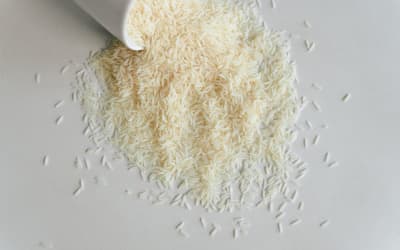
Swap white rice or refined pasta for brown rice or whole-grain alternatives, and you’ll notice steadier energy after meals.
Add lean protein and healthy fats
Protein stabilises blood sugar and promotes satiety, while unsaturated fats support heart health – a key concern for many with type 2 diabetes. Aim for a palm-sized portion of lean meat, fish, tofu or low-fat dairy at each main meal.
Examples include grilled salmon, skinless chicken breast, a handful of mixed nuts, or a spoonful of olive-oil-based dressing. These foods also provide essential micronutrients like magnesium and omega-3 fatty acids that aid insulin sensitivity.
Control portions with the plate method
The visual plate method is a simple way to keep portions in check without counting calories. Fill half your plate with non-starchy vegetables, a quarter with a fibre-rich carbohydrate, and the remaining quarter with protein.
- Start with a large base of leafy greens or roasted veg.
- Add a measured scoop of whole-grain rice, quinoa or a legume salad.
- Top with a portion of grilled fish, turkey, or plant-based protein.
- Finish with a drizzle of olive oil or a few slices of avocado for healthy fat.
This approach aligns with NICE guidance on managing type 2 diabetes through diet and helps you avoid hidden calorie overload.
Practical tips to start tonight
1. Prepare a quick overnight oat bowl with rolled oats, unsweetened almond milk, chia seeds and a handful of berries – ready in minutes and packed with soluble fibre.
2. Keep a bowl of mixed salad greens, cherry tomatoes and cucumber ready; toss with a spoonful of canned tuna and a splash of lemon-juice vinaigrette.
3. Swap sugary drinks for sparkling water with a squeeze of lime; the extra hydration supports kidney function, which is crucial for diabetes management.
These small swaps are easy to implement and can be personalised during an online consultation with me.
For a more detailed look at structuring your day, see my type 2 diabetes meal plan with a sample day.
While I can provide evidence-based nutrition advice, any significant dietary shift should be discussed with your GP, especially if you are on glucose-lowering medication. Coordination ensures safe blood-sugar control and prevents hypoglycaemia.
If you’re ready to translate these principles into a plan that fits your lifestyle, explore my services page and feel free to contact me. Together we can build a sustainable eating pattern that respects your diagnosis, supports your energy, and reduces long-term complications.