If you have recently started taking a GLP-1 receptor agonist such as Ozempic, Wegovy, or Mounjaro, you are likely experiencing rapid weight loss and a noticeable decline in appetite. While shedding excess body weight can significantly improve health markers, a substantial portion of weight lost on these medications can come from lean muscle mass rather than purely fat tissue. In my online practice, clients frequently express concern about feeling physically weaker or noticing a loss of muscle tone despite achieving their weight loss goals.
When daily energy intake drops sharply due to suppressed appetite, the body naturally looks for energy sources. Without adequate nutritional strategies and physical stimuli, it breaks down skeletal muscle alongside adipose tissue. Research into GLP-1 medications suggests that some lean mass loss can occur alongside fat loss, which is why the NHS recommends combining these treatments with dietary and lifestyle changes.* Preserving muscle tissue is crucial because lean mass dictates your resting metabolic rate, physical strength, bone density, and long-term weight maintenance.
Why Lean Mass Matters During GLP-1 Therapy
Muscle tissue is far more than just aesthetic tissue; it is a vital metabolic organ. Retaining muscle while taking GLP-1s ensures that your resting metabolism stays robust, making it far easier to maintain your weight in the long term. Furthermore, losing muscle alongside fat can lead to sarcopenic obesity or reduced physical resilience. If you are managing pre-existing clinical conditions or tracking blood glucose markers, I always recommend that you discuss any significant dietary or exercise changes with your GP to ensure your treatment remains safe and coordinated.
Prioritising Dietary Protein at Every Meal
The single most effective dietary tool to safeguard lean mass during rapid weight loss is adequate protein intake. Because GLP-1 medications slow gastric emptying and cause early satiety, reaching high protein goals can feel challenging when you feel full after just a few bites. In my practice, I work with clients to structure protein-first meals so that every mouthful delivers high nutritional density. Aiming for high-quality protein sources throughout the day provides the essential amino acids required to trigger muscle protein synthesis.
Here are key practical strategies I share with clients in my GLP-1 support consultations to help maintain muscle while on medication:
- Distribute protein evenly: Aim for 25 to 30 grams of protein per meal rather than consuming the majority at dinner.
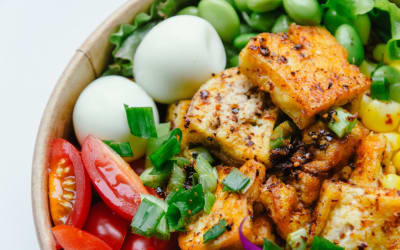
- Choose high-density protein sources: Incorporate chicken breast, eggs, Greek yoghurt, tofu, fish, and lentils to maximise nutrient intake when appetite is low.
- Utilise liquid nutrition if needed: A quality whey or plant protein smoothie can be easier to consume when solid food feels too heavy.
- Prioritise resistance exercise: Pair your diet with progressive strength training at least two to three times per week to send a strong signal to your body to preserve lean mass.
- Stay consistently hydrated: Drinking sufficient water supports nutrient transport and kidney function while processing dietary protein.
Integrating Resistance Training and Meal Timing
Nutrition alone cannot fully protect muscle without the mechanical stimulus of resistance exercise. Lifting weights, using resistance bands, or engaging in bodyweight exercises like squats and push-ups encourages your body to retain muscle fibres even in a calorie deficit. Combining resistance training with strategically timed protein intake, particularly within two hours after a workout, gives your muscles the immediate raw materials required for repair and maintenance.
To understand how different food choices influence your overall intake, you can explore my guides on best protein sources for all diets and debunking common protein myths. In addition, reviewing my comprehensive article on GLP-1 medications and nutrition will give you a well-rounded foundation for managing side effects and eating well on Ozempic or Mounjaro.
Protecting Metabolic Rate for Long-Term Success
Preserving muscle mass is the ultimate insurance policy for your metabolic health. When you protect your lean tissue during your weight loss journey on GLP-1s, you protect your body from the sharp drop in resting metabolic rate that so often triggers rebound weight gain. Working alongside a professional ensures that your calorie reduction remains sustainable and that you do not compromise your underlying functional strength. If you are also managing general weight goals alongside your medication, tailored advice from a weight loss specialist can clarify your individual daily protein targets.
You might also find my post on eating out on glp-1: a nutritionist's guide helpful.
You might also find my post on mounjaro vs ozempic: do diets differ? helpful.
You might also find my post on glp-1 injection side effects: meal tips helpful.
If you are taking Ozempic, Mounjaro, or another GLP-1 medication and want to ensure you are protecting your muscle mass and metabolic health, I am here to help. Through my bespoke nutrition services, I offer targeted guidance designed specifically for individuals navigating weight loss medications. Please feel free to get in touch via my contact page or explore an online consultation to create a personalised nutrition and protein strategy that protects your muscle mass and supports your long-term health goals.