Have you ever woken up with a completely comfortable waistband, only to find yourself unbuttoning your trousers by late afternoon? In my practice, this is one of the most frequent complaints I hear from women navigating perimenopause and menopause. You are not imagining it, and you are certainly not alone. Abdominal bloating during this stage of life can feel sudden, unpredictable, and deeply uncomfortable, leaving many women feeling confused about why their usual meals are suddenly causing distress.
Understanding why this happens is the first step toward getting relief. Hormonal shifts alter how your body handles fluid, processes carbohydrates, and moves food through your gastrointestinal tract. By paying close attention to dietary triggers and introducing targeted, soothing foods, you can calm your digestive system and regain control. While we previously explored the gut-oestrogen microbiome connection in our article on the gut-oestrogen link, here we will focus on practical daily choices you can make in your kitchen straight away.
Why Menopause Triggers Abdominal Bloating
To tackle bloating effectively, it helps to distinguish between two main types: water retention and intestinal gas. Oestrogen plays a key role in regulating fluid retention in the body. As oestrogen levels fluctuate wildly during perimenopause before eventually declining, your body can hold onto excess water, leading to a heavy, tight sensation across the abdomen and extremities. NHS guidance highlights that hormonal changes during perimenopause and menopause can affect fluid balance and gut motility.*
At the same time, progesterone levels decrease. Progesterone naturally acts as a mild diuretic, so when it drops, water retention becomes more pronounced. Lower oestrogen also reduces bile production, which alters how efficiently you break down fats, while slowing down overall gut motility. When food moves more slowly through the intestines, gut bacteria have more time to ferment unabsorbed carbohydrates, producing gas that expands the digestive tract. NICE guidelines emphasise that dietary and lifestyle modifications form a core part of managing perimenopausal and menopausal symptoms.*
Foods That Can Make Menopause Bloating Worse
When working with clients in my 1-to-1 consultations, we often identify specific dietary habits that inadvertently aggravate hormonal bloating. You do not need to eliminate entire food groups unnecessarily, but being mindful of these common culprits can bring swift relief:
- High-sodium processed foods: Excess salt encourages your body to store water, worsening fluid retention. Watch out for hidden salt in ready meals, cured meats, ultra-processed snacks, and packaged sauces.
- Refined carbohydrates and sugary snacks: White bread, pastries, and sweet treats cause rapid spikes in blood glucose and insulin. Elevated insulin signals your kidneys to retain sodium, compounding fluid buildup.
- Artificial sweeteners and sugar alcohols: Polyols such as xylitol, sorbitol, and erythritol found in sugar-free gums and low-calorie protein bars are difficult to digest and frequently ferment in the bowel, causing painful gas.
- Carbonated beverages: Sparkling water, fizzy drinks, and sparkling wine directly introduce gas bubbles into your stomach, expanding an already sensitive gut.
- Excessive raw cruciferous vegetables: Broccoli, cabbage, and kale are loaded with nutrients, but eating them raw in large quantities can be hard to break down during hormonal shifts, leading to trapped wind.
Wondering how this applies to you specifically?
Soothing Foods That Help Calm Bloating
Rather than focusing purely on restriction, supporting your digestive system with nutrient-dense, easily digestible foods is the key to lasting comfort. Incorporating supportive nutrition tailored to menopause nutrition can transform how your gut feels on a day-to-day basis.
Focusing on potassium-rich foods like spinach, avocados, bananas, and sweet potatoes helps your body balance sodium levels, promoting the excretion of excess fluid. Cooking cruciferous vegetables thoroughly by steaming or roasting breaks down complex fibers before they reach your gut, making them much easier to digest. Soft, cooked root vegetables, squash, and well-stewed fruits provide gentle energy without straining your digestive organs.
Hydration is equally crucial. It may sound counterintuitive to drink more liquid when feeling bloated with water retention, but adequate hydration signals to your kidneys that it is safe to release stored fluid. Plain water, alongside soothing herbal infusions like peppermint, fennel seed, or ginger tea, can relax intestinal muscles and encourage gas to pass naturally. If you are also adapting your overall eating habits for perimenopause, reading my guide on perimenopause diet changes offers additional foundational steps.
Practical Daily Swaps for a Calmer Gut
Making small, manageable swaps can create immediate improvements in digestive comfort without making meal preparation feel overwhelming:
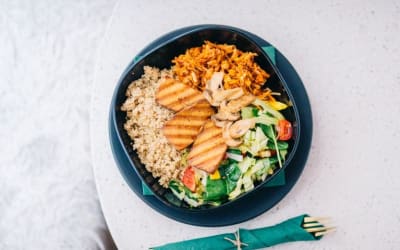
- Swap raw salad lunches for warm grain bowls: Replace large raw salad leaves with roasted Mediterranean vegetables, quinoa, and a drizzle of olive oil. Warm foods are far gentler on slow digestive systems.
- Swap salty condiments for fresh herbs: Use lemon juice, garlic, parsley, dill, and anti-inflammatory spices like turmeric to flavour your meals instead of soy sauce or heavy salt dressings.
- Swap fizzy water for mint or ginger infusions: Sip warm peppermint or ginger tea after meals to soothe the digestive tract and reduce abdominal fullness.
- Swap ultra-processed snacks for potassium-dense foods: Choose a small banana with almond butter or a slice of avocado on sourdough instead of packaged savoury snacks.
If you are experiencing severe bloating alongside symptoms like gut discomfort, you might also find general strategies in my article on reducing bloating naturally helpful for daily support. Furthermore, if you ever feel that your symptoms require structured elimination protocols like low FODMAP diets, these should always be discussed with your doctor first, while general dietary adjustments can be safely managed with personalised guidance.
If your bloating is persistent, severe, or accompanied by unexpected weight loss, changes in bowel habits, or pelvic pain, I recommend discussing these symptoms with your doctor to rule out underlying medical issues.
When sipping peppermint tea and stripping out raw vegetables still leaves you unbuttoning your trousers by 4 pm, general advice has reached its limit. Hormonal bloating is rarely a simple case of trapped air; falling oestrogen alters gut motility, fluid retention, and microbiome activity in ways that demand a far more targeted approach. If you are ready to stop guessing and restore comfortable, predictable digestion all day long, explore my nutrition consultancy services or get in touch to book a consultation today so we can build a practical, tailored strategy together, alongside your doctor's care where appropriate.