Waking up with stiff fingers, aching knees, or a tight lower back is a frustratingly common experience for women navigating perimenopause and menopause. Many of my clients tell me they initially assumed these morning aches were simply an inevitable sign of getting older. However, joint stiffness during this stage of life is often directly linked to declining oestrogen levels, which can leave your joints feeling dry, swollen, and tender.
In my practice, I find that targeting systemic inflammation through tailored dietary adjustments can make a remarkable difference to daily mobility and comfort. By providing your body with targeted nutrients, you can help protect joint cartilage, reduce inflammatory signalling, and nourish connective tissues. If you are struggling with daily aches, exploring evidence-based menopause nutrition can offer significant relief alongside your wider health routine.
The Link Between Oestrogen and Joint Pain
Oestrogen plays a vital, protective role throughout the female body, including within the joints. Oestrogen receptors are present in cartilage, subchondral bone, ligaments, and synovial tissue. Oestrogen helps maintain joint lubrication, supports collagen synthesis, and regulates the body's inflammatory response. Hormonal shifts during perimenopause and menopause can affect connective tissues, joints, and bone density.*
When oestrogen production decreases, joint cartilage can become thinner and less resilient. At the same time, systemic inflammatory markers often rise, leading to the joint pain, swelling, and morning stiffness that so many women experience. Addressing this swelling from the inside out through anti-inflammatory whole foods is one of the most effective strategies I recommend to my clients.
Key Anti-Inflammatory Foods for Joint Health
To reduce joint stiffness, we want to prioritise foods rich in essential omega-3 fatty acids, powerful antioxidants, and supportive minerals. Here are the core nutritional pillars I emphasise when helping women manage joint discomfort:
- Oily Fish and Omega-3s: Wild salmon, mackerel, sardines, and anchovies are packed with EPA and DHA, essential fatty acids that actively suppress pro-inflammatory cytokines. Plant sources like chia seeds and flaxseeds provide ALA, which also supports cell membrane health. You can read more in my omega-3 essential guide.
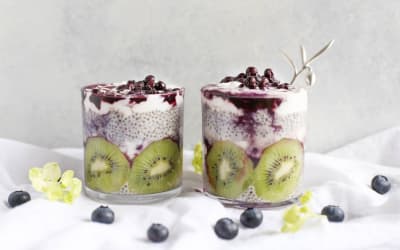
- Polyphenol-Rich Berries: Blueberries, blackberries, and cherries contain anthocyanins, potent compounds that neutralize oxidative stress around inflamed joints.
- Curcumin and Gingerol: Spices such as turmeric and ginger contain bioactive compounds known to inhibit inflammatory pathways in joint tissues. For more details, explore my guide on turmeric for menopause.
- Dark Leafy Greens: Kale, spinach, and Swiss chard offer magnesium, vitamin C, and plant nutrients that support collagen production and tissue repair.
- Extra Virgin Olive Oil: Containing oleocanthal, high-quality extra virgin olive oil exerts natural anti-inflammatory actions similar to mild pain relievers when consumed regularly.
Wondering how this applies to you specifically?
Supporting Collagen and Tissue Repair
Your joints rely heavily on collagen to keep cartilage springy and resilient. While collagen supplements are popular, your body also needs dietary building blocks to synthesise its own connective tissue. High-quality protein sources, combined with adequate vitamin C, are crucial for collagen formation. Foods like bell peppers, citrus fruits, broccoli, and kiwi fruits supply the necessary vitamin C to turn dietary amino acids into sturdy joint tissue.
Hydration is another often-overlooked factor in joint care. Joint cartilage is composed largely of water, and synovial fluid requires adequate hydration to keep joints sliding smoothly without friction. Drinking sufficient water throughout the day, alongside hydrating foods like cucumbers and celery, supports optimal joint lubrication.
Practical Swaps for Your Daily Routine
Making meaningful diet changes does not require an overwhelming overhaul. In my consultations, I encourage simple, sustainable upgrades that build anti-inflammatory habits over time:
- Replace refined cooking oils with extra virgin olive oil for drizzling and low-heat cooking.
- Add a tablespoon of ground flaxseed or chia seeds into your morning porridge or yoghurt.
- Aim for two portions of oily fish per week, or choose a high-quality algae-based omega-3 if you follow a plant-based diet.
- Incorporate freshly grated ginger or turmeric into soups, curries, and warm drinks.
- Swap processed sugary snacks for a handful of walnuts and fresh dark berries.
Guidance highlights that managing menopausal symptoms effectively often requires a holistic combination of lifestyle adjustments and medical support.* Because joint discomfort can sometimes mirror other clinical conditions, I recommend discussing significant dietary changes with your doctor to rule out underlying inflammatory arthritis or other medical concerns before starting high-dose supplements.
Taking the Next Step for Menopause Wellness
Generic anti-inflammatory advice only goes so far. When you are already eating oily fish and taking turmeric, yet still sitting on the edge of the bed waiting for your knees to unbolt before you can walk down the stairs, standard food lists stop being helpful. Easing hormonal joint stiffness requires looking at how oestrogen shifts affect your gut barrier, omega fatty acid conversion, and individual food triggers, which vary remarkably between women. If you are ready to move past trial-and-error and wake up to comfortable, fluid movement, explore my nutrition services or visit my contact page to book an online consultation.