When you are navigating the hormonal shifts of perimenopause or menopause, dinner at the end of a long day can feel like an overwhelming task. Brain fog, physical fatigue, and fluctuating energy levels often leave you reaching for whatever is fastest rather than what best nourishes your body. In my practice, I frequently see clients who know what they should be eating to support their bone density and cardiovascular health, but struggle with the daily energy required to cook fresh, balanced meals from scratch every single evening.
This is where structured meal preparation becomes a vital tool rather than just a chore. By dedicating a small block of time to batch cooking versatile components, you take the decision-making pressure off your weeknights. Eating well during midlife does not require complex gourmet recipes; it requires a reliable system that keeps nutrient-dense, protein-rich foods readily available in your fridge and freezer.
Why Batch Cooking Suits Menopause Nutrition
During menopause, falling oestrogen levels influence everything from insulin sensitivity and muscle breakdown to bone turnover. NHS guidelines highlight the importance of maintaining adequate calcium, vitamin D, and protein intakes during midlife to protect long-term bone density and lean body tissue. When you prepare meals in advance, you can deliberately design each dish to include these crucial compounds without having to think about macronutrient ratios when you are tired.
A well-planned batch cooking session ensures that your fridge contains ready-to-use sources of lean protein, high-fibre complex carbohydrates, and protective phytooestrogens. This structure prevents rapid blood sugar spikes, which can otherwise exacerbate mood swings and low energy. If you are already noticing metabolic shifts, combining structured prep with targeted menopause nutrition can help restore a sense of physical balance and control.
Key Nutrients to Focus On in Your Prep
Before pulling out your roasting trays and storage containers, it helps to understand which key nutrients should form the building blocks of your midlife prep. Rather than preparing complete pre-plated meals that get soggy by Wednesday, I teach my clients to prep core components that can be mixed and matched throughout the week.
- High-Quality Protein: Aim for 25–30 grams of protein per main meal to counteract age-related muscle mass loss (sarcopenia). Good batch-friendly options include baked salmon fillets, roasted chicken thighs, cooked lentils, and grilled tofu.
- Phytooestrogen Sources: Edamame beans, chickpeas, ground flaxseeds, and organic soy contain plant compounds that weakly mimic oestrogen in the body. Research suggests including these regularly may help smooth out mild hormonal fluctuations.
- Calcium and Magnesium: Incorporate dark leafy greens like kale and spinach, fortified plant milks, canned fish with bones (such as sardines or salmon), and seeds into your prep to support skeletal strength and nerve function.
- Fibre-Rich Carbohydrates: Quinoa, brown rice, roasted sweet potatoes, and pearl barley provide steady glucose release, keeping brain fog and fatigue at bay. For more details on adjusting your carbohydrates, read my article on perimenopause diet changes.
A Sample Batch-Cook Workflow: 4 Core Staples
Instead of cooking five completely separate recipes, focus on preparing four versatile base items on a Sunday or Monday evening. These four components can be transformed into multiple distinct breakfasts, lunches, and dinners across three to four days.
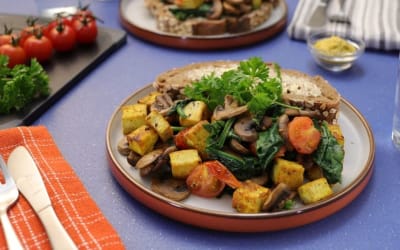
First, roast a large tray of mixed Mediterranean vegetables – such as courgettes, peppers, red onions, and aubergine – tossed in olive oil and herbs. These can be folded into omelettes, stirred through warm quinoa, or served alongside grilled salmon. Second, bake a tray of extra-firm marinated tofu or seasoned chicken breast fillets for ready-to-eat protein. Third, simmer a large batch of spiced red lentil and vegetable dahl, which freezes exceptionally well and offers both soluble fibre and plant protein.
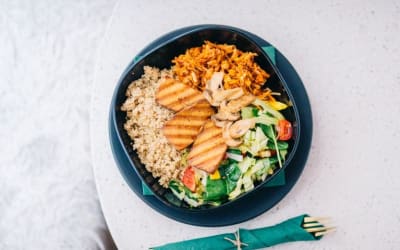
Finally, cook a pot of mixed grains like quinoa and brown rice. Combine these components in different configurations throughout the week: top your grains with roasted veggies and baked protein for a quick grain bowl, or blend cooked lentils with tinned tomatoes for a speedy soup. If hot flushes are a particular concern for you, incorporating chilled dishes made from these prepped ingredients can also prove refreshing; take a look at my guide on foods for menopause hot flushes for further ingredient ideas.
If you are experiencing significant medical symptoms, managing osteopenia, or considering major dietary adjustments alongside HRT, I always recommend discussing your clinical health markers with your GP before making drastic changes.
Keeping Your Prep Safe and Sustainable
Batch cooking should reduce your stress levels, not add to them. Food safety and proper storage are essential to preserve both nutrient quality and flavour. Store cooked grains, meats, and roasted vegetables in airtight glass containers in the fridge, consuming them within 3 to 4 days. If you make large pots of soup, dahl, or stews, divide them into individual portions and freeze them immediately once cooled.
Remember that meal prep does not have to be all-or-nothing. Even prepping just two components – like boiling a dozen eggs and roasting a tray of vegetables – puts you in a far better position for the week ahead. If you are new to kitchen organization, you can brush up on foundational skills in my guide to meal prep basics.
During one-to-one online consultations, I frequently work with midlife women to build customized meal planning systems that suit their family setup, work schedule, and personal taste preferences, ensuring nutritional adequacy without kitchen burnout.
You might also find my post on phytoestrogens for menopause: do they work? helpful.
If you feel overwhelmed by conflicting menopause diet advice or struggle to find a cooking routine that fits your busy life, I can help you build a personalized, evidence-based nutrition strategy. Explore my tailored private nutrition services or reach out directly through my contact page to book your initial consultation. Together, we can create a practical meal preparation plan that restores your energy, supports your hormones, and fits seamlessly into your week.