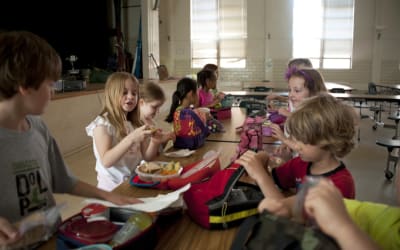
There are few things as disheartening for a parent as opening a school bag at half past three to find a full lunchbox sitting inside, virtually untouched. You spent time carefully making sandwiches, chopping cucumber batons, and packing fresh fruit, only for it to end up in the bin or brought back warm and squashed. In my practice, parents frequently tell me that packed lunches are one of the most stressful parts of their daily routine.
As a registered nutritionist, I often remind parents that uneaten lunches are rarely a sign of defiance. More often, they stem from practical obstacles at school: noisy dining halls, brief 20-minute eating windows, sensory fatigue, or simply foods that lose their appealing texture after sitting in a bag for four hours. When we adjust the format and focus on child-friendly nutrition, we can dramatically change what gets eaten.
Why Do School Lunches Come Back Intact?
To fix the lunchbox dilemma, we first need to understand the environment in which children eat. Primary and secondary school dining halls are fast-paced and loud. Children want to eat quickly so they can head outside to play with their friends. If a lunch requires significant physical effort to open, or if a sandwich has gone soft and soggy, children simply skip it.
Furthermore, standard sandwiches can quickly become monotonous. If your child eats a similar sliced-bread meal every day, boredom sets in rapidly. Addressing lunchbox fatigue requires a mix of sensory variety, easy-to-manage finger foods, and steady energy sources that keep concentration sharp throughout the afternoon. If you are already concerned about your child's overall dietary intake, exploring children's nutrition support can help us pinpoint specific nutrient gaps and behavioral drivers.
The Anatomy of a Lunchbox Kids Finish
A balanced packed lunch does not need to look like an elaborate social media picture. Instead, it should mirror basic evidence-based guidelines provided by Public Health England and the NHS Eatwell Guide, adapted into manageable bite-sized portions.* Every lunchbox ideally contains four key components:
- Complex Carbohydrates: Wholewheat wraps, pita pockets, pasta salad, or oatcakes to provide sustained glucose release for afternoon lessons.
- Sustained Protein: Hard-boiled eggs, roast chicken strips, hummus, cooked lentils, falafel, or cuboid cheddar cheese to promote satiety.
- Colourful Produce: Crunchy cucumber slices, sweet pepper sticks, cherry tomatoes, or apple slices coated in a drop of lemon juice to prevent browning.
- Hydration & Micro-treats: A reusable water bottle alongside a small portion of seed-rich flapjack, unsweetened yoghurt, or dried raisins.
If your child is generally selective with food across all meals, you might also find my guide on understanding fussy eating helpful for building confidence at the dinner table.
4 Practical Lunchbox Formulas That Work
In one-to-one consultations with parents, I always advocate for 'deconstructed' lunches. Children are far more likely to eat when foods are separated rather than combined into a thick sandwich that falls apart.
1. The Deconstructed Bento: Fill a compartmentalised box with cubes of mild cheese, wholegrain crackers, rolled turkey breast slices, raw sugar snap peas, and a small handful of blueberries. This offers visual clarity and zero sogginess.
2. Wholewheat Wrap Pinwheels: Spread a wholewheat tortilla with cream cheese or hummus, add grated carrots and lean ham or spinach, roll tightly, and slice into small pinwheel coins. Bite-sized pieces are much easier to finish within short school lunch breaks.
3. Cold Pasta Salad: Toss cooked mini penne or fusilli with basil pesto, halved cherry tomatoes, sweetcorn, and sweet mini mozzarella balls or canned tuna. Pasta salads hold their texture well and offer an excellent source of slow-release carbohydrate energy. You can discover more quick options in my round-up of quick meal ideas for fussy eaters.
4. Pitta Pocket Pockets: Mini wholemeal pitta bread stuffed with falafel, tzatziki, and grated cucumber. Pittas hold contents inside far better than standard sliced loaf bread, reducing messy hands in the dining hall.
Temperature, Packaging, and Child Autonomy
Food safety and food appeal go hand in hand. Warm fruit or soft, warm cheese spreads are major reasons children reject lunchboxes. Investing in an insulated lunch bag with a slim ice pack keeps dairy, meats, and fresh produce crisp and refreshing until midday.
Involvement is another crucial lever. Children who help select or assemble their lunchbox items are significantly more invested in eating them. Give your child structured choices: 'Would you prefer pitta pockets or pasta salad tomorrow?' or 'Shall we pack apple slices or grapes?' Small amounts of autonomy dramatically lower mealtime resistance. Ensuring they start the day well is equally critical; read my analysis on why breakfast is vital before school to ensure their morning energy levels are primed.
Overcoming the 3:30 PM Lunchbox Anxiety
If your child still brings home half an uneaten item, try not to react with disappointment or frustration. Simply ask neutral questions: 'Was there enough time to eat today?' or 'Was the wrap tricky to unwrap?' Often, you will discover that practical barriers – like a tight lid or a short play bell – were the true culprit, rather than the food itself.
You might also find my post on eyfs food guidelines: is your nursery compliant? helpful.
You might also find my post on picky eating: normal phase or red flag? helpful.
Navigating childhood nutrition can feel overwhelming, especially when balancing busy work schedules and school routines. If you feel stuck with school lunches or worry your child isn't getting the nutrients they need for growth and focus, I offer structured, evidence-based guidance through an online consultation. Take a look at my nutrition services to find a tailored package, or visit my contact page to book a direct appointment so we can create a stress-free lunchbox routine tailored specifically to your family.