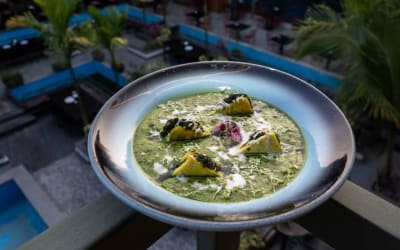
A well-structured PCOS diet plan is essential for managing the symptoms of Polycystic Ovary Syndrome. As a registered nutritionist, I have helped many women with PCOS achieve better health through tailored PCOS nutrition support. A balanced diet can help alleviate symptoms such as weight gain, acne, and irregular periods, and even improve fertility.
Key Principles of a PCOS Diet Plan
A PCOS diet plan should focus on four key areas:
- Improving insulin sensitivity – choosing low-glycaemic-index carbohydrates such as whole grains, legumes, and vegetables to help regulate blood sugar levels.
- Anti-inflammatory foods – incorporating turmeric, ginger, omega-3 fatty acids, and colourful vegetables to reduce chronic inflammation associated with PCOS.
- High fibre intake – aiming for 25-30g of fibre daily to support gut health, hormone metabolism, and satiety.
- Healthy fats – including avocado, nuts, seeds, and olive oil to support hormonal balance and nutrient absorption.
These principles form the foundation of the weekly meal plan below. For a deeper understanding of which foods to prioritise, read my guide on the best foods for PCOS.
Weekly Vegetarian PCOS Meal Plan
I have designed this meal plan using recipes from my collection, all of which are 100% vegetarian and chosen specifically to support hormonal health, insulin sensitivity, and overall wellbeing.
Why These Recipes Work for PCOS
Every recipe in this meal plan has been chosen with PCOS management in mind. The breakfasts are rich in fibre and healthy fats to prevent blood sugar spikes first thing in the morning – a common issue with PCOS. The lunches and dinners prioritise plant-based proteins from chickpeas, lentils, quinoa, and paneer, alongside anti-inflammatory ingredients like turmeric, ginger, and miso.
The Mediterranean-style meals are particularly beneficial, as research consistently shows that a Mediterranean dietary pattern supports insulin sensitivity and reduces inflammation. The snacks are designed to keep blood sugar stable between meals without relying on processed foods.
Tips for Adapting This Plan
This meal plan is a starting point, not a rigid prescription. Here are some practical tips for making it work for you:
- Batch cooking – prepare the porridge base, overnight oats, and roasted chickpeas in advance to save time during the week.
- Portion guidance – aim for a quarter of your plate from protein, a quarter from complex carbohydrates, and half from vegetables at each meal.
- Swaps – any breakfast can be swapped for another breakfast in the plan. The same applies to lunches and dinners.
- Hydration – drink at least 2 litres of water daily. Herbal teas, especially spearmint tea, may also support PCOS symptoms.
- Listen to your body – if you find certain foods trigger bloating or discomfort, make a note and discuss this with a nutritionist.
Carbohydrate Distribution and Timing Protocol
In my practice, I often implement a structured carbohydrate distribution strategy rather than simply restricting carbs, which can elevate cortisol and aggravate hormonal imbalances. I recommend aiming for approximately 30–45g of complex carbohydrates per main meal, always paired with 20–25g of plant-based protein and a dedicated source of healthy fat. Timing is equally vital: eating a protein- and fibre-rich breakfast within 60 to 90 minutes of waking helps blunt the morning cortisol surge and stabilises blood glucose early on. Spacing main meals 3.5 to 4 hours apart allows fasting insulin levels to clear, supporting overall metabolic flexibility throughout the day.
For more morning options beyond this weekly plan, see my dedicated PCOS breakfast ideas post.
Addressing Key Micronutrients on a Plant-Based PCOS Protocol
When following a vegetarian PCOS diet plan, managing micronutrient sufficiency is essential for hormone synthesis and metabolic health. In line with generic UK public health recommendations, I advise clients to maintain optimal Vitamin D status by taking a daily supplement of 10 micrograms (400 IU), particularly through autumn and winter, as low levels are frequently observed alongside insulin resistance. Furthermore, plant-based diets require careful planning for zinc and magnesium – found abundantly in pumpkin seeds, hemp seeds, cooked lentils, and dark leafy greens – which help regulate androgen levels and support healthy menstrual cycles.
To implement these principles efficiently, I guide clients through a simple "Fibre-First" plate construction method during consultations:
- Half the plate: Non-starchy cruciferous vegetables or dark greens (broccoli, kale, spinach) to support oestrogen metabolism via gut clearance.
- Quarter of the plate: Quality plant protein providing 20–25g (such as edamame, paneer, tempeh, or cooked lentils).
- Quarter of the plate: Unrefined, low-glycaemic carbohydrates (quinoa, wild rice, or rolled oats).
Because PCOS is a diagnosed endocrine condition that can involve varying degrees of insulin resistance, I always recommend discussing any substantial dietary shifts or new supplements with your GP, particularly if you take prescribed medications such as metformin.
For related reading, see my posts on pcos work snacks: beat afternoon cravings and pcos weight loss: evidence-based strategies.
When you are eating wholesome plant proteins like lentils and chickpea bowls yet still battling sharp 4pm sugar crashes and frustrating fatigue, a generic vegetarian framework has reached its limit. I can help you fine-tune your plant-based meals to achieve steadier energy and fewer cravings, so head to my services page to book a consultation or visit my contact page to arrange a free discovery call.