Are you managing polycystic ovary syndrome (PCOS) while following a vegetarian diet? In my practice, I frequently speak with women who feel stuck at the intersection of hormone balancing and plant-based nutrition. You might have been advised to lower your intake of refined carbohydrates and increase your protein, but when you do not eat meat, hitting those targets while safeguarding your iron and vitamin B12 levels can feel tricky.
Polycystic ovary syndrome affects how your body processes carbohydrates and manages hormone levels, with insulin resistance playing a central role for many women. If you are experiencing persistent fatigue or irregular cycles alongside dietary changes, I strongly advise discussing significant dietary alterations with your GP to ensure comprehensive health monitoring.
Balancing Plant Protein with Blood Sugar Control
Protein is critical for managing PCOS symptoms because it slows down digestion, dampens post-meal glucose spikes, and promotes long-lasting satiety. However, many staple plant protein sources like lentils, beans, and chickpeas naturally come packaged with complex carbohydrates. While these carbohydrates are fibre-rich and highly beneficial, portioning them thoughtfully alongside healthy fats is key to preventing unwanted blood sugar surges.
In my one-to-one online consultations, we often map out balanced plates that pair plant proteins with low-GI vegetables to protect against sudden glucose spikes. If you want more background on setting daily targets, you can read my guide on PCOS and protein requirements.
Optimising Non-Haem Iron Intake Without Meat
Iron plays a vital role in energy metabolism, thyroid health, and ovulation. Vegetarian diets contain non-haem iron, which is absorbed less readily by the human body than the haem iron found in meat. For women with PCOS who experience heavy or prolonged menstrual cycles, maintaining adequate iron stores is even more essential to avoid chronic tiredness.
To maximise your iron uptake from vegetarian foods, try implementing these actionable kitchen strategies:
- Pair plant-based iron sources like dark leafy greens, lentils, tofu, and pumpkin seeds with vitamin C rich foods such as bell peppers, citrus fruits, or broccoli.
- Avoid drinking tea or coffee directly with your main meals, as the polyphenols and tannins can bind to iron and significantly reduce its absorption.
- Incorporate fermented soy like tempeh or properly soaked and cooked pulses, which helps break down phytates that otherwise hinder mineral uptake.
- Select iron-fortified plant milks or whole grain breakfast options if you struggle to meet daily requirements through unfortified foods alone.
Securing Vitamin B12 on Plant-Based Diets
Vitamin B12 is essential for nerve function, red blood cell synthesis, and cellular energy production. Because active B12 is naturally present almost exclusively in animal foods, vegetarian and plant-focused diets require intentional planning to prevent sub-clinical deficiency over time. Furthermore, if you take certain blood sugar medications like metformin as part of your PCOS management, your body's ability to absorb B12 in the gut can be somewhat reduced over time.*
To safeguard your levels, regularly include B12-fortified foods such as nutritional yeast, fortified plant milks, and fortified breakfast options. However, for many vegetarians, a structured supplement routine may be beneficial. In my practice, I review individual food diaries and health histories to ensure dietary supplementation recommendations are tailored safely to your specific routine.
Building a Balanced Vegetarian PCOS Plate
Creating a hormone-supportive meal does not mean giving up your favourite cultural dishes or spending hours preparing complex recipes. Focus on variety and smart nutrient combinations to elevate the nutrient density of your daily routine. You can explore practical meal ideas in my post on a vegetarian PCOS plate or check out quick dinner options in quick Indian dinner ideas for PCOS.
When constructing your main meals, aim for a balanced plate distribution:
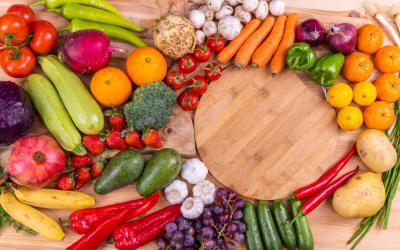
- Fill half your plate with non-starchy, fibre-rich vegetables such as spinach, courgettes, broccoli, or bell peppers.
- Dedicate a quarter of your plate to concentrated plant proteins such as organic tofu, tempeh, edamame, paneer, or eggs if you consume them.
- Reserve the final quarter for lower-GI complex carbohydrates like quinoa, steel-cut oats, or whole lentils.
- Finish with a small portion of healthy fats, such as extra virgin olive oil, pumpkin seeds, or avocado, to slow down carbohydrate absorption further.
Navigating a vegetarian diet while managing your hormone health through PCOS/PMOS nutrition does not have to feel restrictive or confusing. If you are struggling with low energy levels, persistent cravings, or uncertainty around balancing plant proteins, iron, and B12, I am here to help you find clarity. You can explore my range of nutrition consultancy services or get in touch directly via my contact page to book a personalised online consultation tailored to your daily routine and health goals.