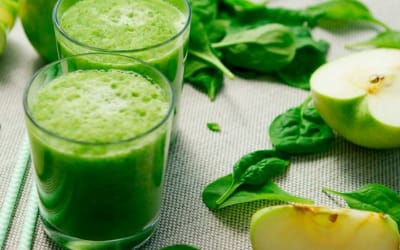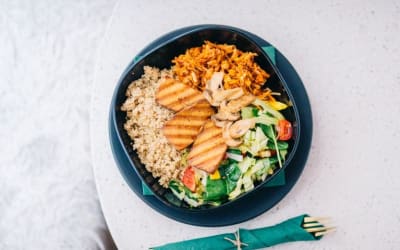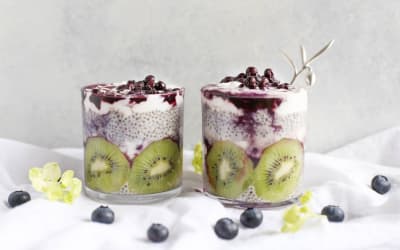
Have you noticed more hair than usual lingering in your hairbrush or drifting down the shower drain? As oestrogen levels fall during perimenopause and menopause, hair thinning, loss of volume, and texture changes are remarkably common.* In my practice, clients often share how distressing it feels when their hair suddenly feels sparse, yet hair vitality is frequently overlooked during routine menopause discussions.
While hormone fluctuations are the underlying driver, target nutrition plays a pivotal supporting role in supplying your hair follicles with the building blocks they need for normal growth cycles. If you are experiencing sudden, patchy, or severe hair shedding, it is always wise to discuss significant dietary changes and rule out underlying thyroid issues or iron deficiency with your doctor.*
Protein: The Essential Structural Foundation
Hair shafts consist primarily of keratin, a fibrous protein structure. When dietary protein intake is insufficient, your body naturally conserves amino acids for essential biological functions, shifting hair follicles into a resting phase prematurely. Ensuring an adequate, steady supply of protein throughout the day supports keratin synthesis and hair strand integrity. In my menopause nutrition consultations, I often evaluate whether clients are getting enough protein at breakfast and lunch, as these meals are frequently overlooked.
To support hair protein structure, aim to include high-quality options across your daily meals. Eggs, Greek yoghurt, lentils, tofu, edamame, fish, and lean meats provide excellent amino acid profiles. If you struggle with ideas for balanced meals, you might find inspiration in my perimenopause diet guide.
Key Micronutrients: Iron, Zinc, and Vitamin D
Beyond protein, specific micronutrients directly influence hair follicle biology. Iron deficiency is one of the most frequent dietary factors linked to hair shedding, particularly during early perimenopause when heavy or irregular periods can drain ferritin stores. Zinc plays a crucial role in hair tissue growth and repair, while optimal vitamin D levels support the active growth phase of the hair follicle cycle.
Focus on introducing iron-rich foods such as dark leafy greens, pumpkin seeds, lentils, and lean red meat into your routine. Pair plant-based iron sources with vitamin C, such as a squeeze of lemon juice or bell peppers, to optimise absorption. For a deeper look at iron sources, read my practical breakdown of iron-rich foods for nutrient deficiency.
Wondering how this applies to you specifically?
Oestrogen Support and Essential Fats
Falling oestrogen can disrupt the balance between oestrogen and androgenic hormones, which may shrink hair follicles over time. Dietary phytoestrogens, plant compounds found in milled flaxseeds, sesame seeds, and fermented soy products, weakly imitate natural oestrogen in the body. If you want to explore these foods further, see my analysis on phytoestrogens for menopause. Meanwhile, omega-3 fatty acids from walnuts, chia seeds, and oily fish help keep the scalp nourished and hydrated.
Practical Daily Tips for Hair Support
- Include 20 to 30 grams of protein in each main meal to maintain consistent amino acid supply.
- Combine plant-based iron with vitamin C sources to enhance absorption.
- Stir a tablespoon of ground flaxseed or chia seeds into morning porridge or yoghurt.
- Ensure you are supplementing vitamin D during autumn and winter in accordance with UK health guidance.
Nutritional changes require patience because hair growth cycles operate over several months rather than days. When working through an online consultation with clients, we build sustainable dietary habits that nourish hair follicles from within while supporting energy and metabolic health.
When you have been taking generic hair multivitamins for months, yet your hair parting keeps widening or blood results show "normal" iron while shedding persists, general advice has reached its limit. Supporting hair density through menopause requires matching your nutrient status against what your hair follicles actually need to thrive. If you are ready to reclaim your hair strength and feel confident again, explore my nutrition services or reach out through my contact page to book your consultation, so we can build a targeted plan alongside your doctor's care.