Receiving a type 2 diabetes diagnosis often comes with a flood of mixed emotions, from shock and anxiety to feeling entirely overwhelmed by conflicting nutrition advice online. When clients come to my practice shortly after their diagnosis, their first question is almost always the same: "What am I allowed to eat now?" It is easy to assume that you must instantly strip away all carbohydrates or survive on plain salad leaves, but that is neither necessary nor effective for long-term health.
The reality of starting a diabetes-friendly diet is much more reassuring. Managing your blood sugar is not about perfection or extreme restriction; it is about building sustainable, nourishing habits that fit into your everyday routine. By understanding how food impacts your blood glucose levels, you can make clear, confident choices without giving up the enjoyment of eating.
1. Shift from Elimination to Addition
When people first hear they have diabetes, their immediate instinct is to cut out entire food groups. However, focusing solely on what you cannot eat creates unnecessary stress and often leads to quick burnout. In my practice, I encourage a mindset of addition instead. Focus on filling your plate with high-fibre vegetables, lean proteins, and healthy fats that naturally buffer blood glucose spikes.
Instead of removing carbohydrates altogether, look at how you can upgrade them. Carbohydrates break down into glucose, which is your body's primary energy source. The key is choosing slow-release, complex carbohydrates over quick-release refined options. Replacing white bread and processed cereals with whole grains, oats, and pulses helps slow down digestion and keeps your energy levels steady throughout the day. If you are unsure which foods to stock up on first, exploring our Type 2 Diabetes Food List is a helpful starting point.
2. Master the Diabetes Plate Method
A straightforward way to structure your meals without weighing food or counting every gram of carbohydrate is the plate method. This visual tool helps balance your meals while naturally keeping blood glucose levels in check. Research and guidance consistently show that managing carbohydrate quality and portion sizes helps stabilise HbA1c levels.*
To build a balanced plate for lunch or dinner, aim for the following proportions:
- Half your plate: Non-starchy vegetables such as spinach, broccoli, peppers, courgettes, or cabbage. These add volume, micronutrients, and dietary fibre.
- One-quarter of your plate: Quality protein sources, including grilled chicken, fish, tofu, eggs, lentils, or beans. Protein slows down gastric emptying, helping you feel fuller for longer.
- One-quarter of your plate: Smart carbohydrates like sweet potatoes, quinoa, brown rice, or wholewheat pasta.
- A small thumb-sized portion: Healthy fats, such as extra virgin olive oil, nuts, seeds, or avocado, to aid nutrient absorption and promote satiety.
Wondering how this applies to you specifically?
3. Rethink Your Drinks and Snacks
Liquid carbohydrates are one of the fastest ways to cause a sharp rise in blood sugar because they lack dietary fibre to slow down glucose absorption. Fruit juices, sweetened teas, fizzy drinks, and flavoured coffees can raise blood glucose rapidly without providing lasting fullness. Swapping these for water, herbal teas, or sparkling water with a squeeze of fresh lime is one of the single most effective first steps you can take.
Snacking can also be adapted simply. Rather than grabbing a biscuit or crisps, pair a complex carb or fruit with a source of protein or healthy fat. For example, enjoying an apple with a handful of almonds or oatcakes with hummus slows down digestion and keeps blood sugar stable between meals. If you enjoy fruit but worry about its effect on your glucose levels, take a look at my article on whether you can eat fruit with diabetes.
4. Set Realistic, Step-by-Step Goals
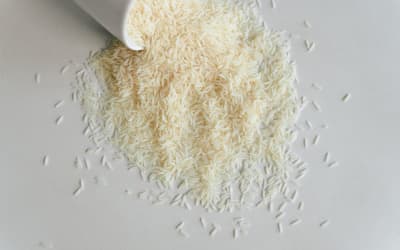
Type 2 diabetes affects millions across the UK, but dietary changes can make a substantial impact on blood glucose control.* Trying to overhaul every single meal overnight usually leads to frustration. According to Diabetes UK, adjusting your daily meals step by step is far more sustainable than adopting restrictive, short-term diets.* Pick one or two small changes to focus on during your first week, such as swapping refined white rice for brown rice or adding a portion of leafy greens to your evening meal.
If you are planning to make significant changes to your diet or lifestyle, particularly if you take blood sugar-lowering medication, be sure to discuss these adjustments with your GP.
Working through a new diagnosis requires time, patience, and clear guidance tailored to your specific background, taste preferences, and daily routine. If you feel uncertain about how to translate general advice into practical everyday meals, tailored support through diabetes nutrition can give you clarity and peace of mind. If you would like one-to-one guidance on structuring your meals and managing your blood sugar levels, please visit my nutrition services or reach out via my contact page to book an online consultation.