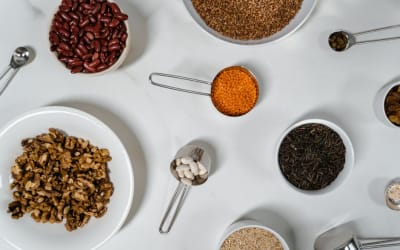
Ultra-processed foods have become one of the most talked-about topics in nutrition, and for good reason. Research increasingly associates diets high in these products with a range of health concerns, yet they make up a surprisingly large proportion of the average UK diet. Understanding what ultra-processed foods are, how to spot them and what you might choose instead is a practical place to start when you think about your everyday food choices.
What Are Ultra-Processed Foods?
The term ultra-processed food comes from the NOVA classification system, developed by researchers at the University of Sao Paulo. NOVA divides all foods into four groups based on the extent and purpose of processing. Group 1 includes unprocessed or minimally processed foods such as fresh fruit, vegetables, eggs and plain meat. Group 2 covers processed culinary ingredients like oils, butter and sugar. Group 3 includes processed foods such as tinned vegetables, cheese and freshly baked bread. Group 4 is where ultra-processed foods sit. These are industrial formulations made mostly or entirely from substances derived from foods and additives, with little if any intact whole food remaining.
You might be surprised by how many everyday items fall into the ultra-processed category. Ready meals, mass-produced sliced bread, breakfast cereals, flavoured yogurts, fizzy drinks, crisps, biscuits, sausages and instant soups are all common examples. Even products marketed as healthy, such as protein bars, low-fat spreads and some plant-based meat alternatives, often qualify as ultra-processed. The hallmark is a long ingredients list featuring substances you would not find in a home kitchen, such as emulsifiers, flavour enhancers, hydrogenated oils, glucose-fructose syrup and modified starches.
Why Ultra-Processed Foods Are Talked About So Much
Observational research has associated high intakes of ultra-processed foods with outcomes such as weight gain, type 2 diabetes and heart disease. These studies show an association rather than proof of cause, and many other lifestyle factors are involved, but the pattern has been consistent enough to attract attention. I work alongside your doctor on any diagnosed condition, including these, and my role is to help with everyday food choices and the shopping and cooking habits that sit around them.
One reason researchers give is that many of these products are designed to be hyper-palatable. Combinations of sugar, salt, fat and additives can make them easy to eat quickly and in large amounts without feeling satisfied. A small controlled trial found that people ate more when offered an ultra-processed diet than a minimally processed one, even when the menus were matched for presented calories and nutrients. Beyond that, ultra-processed products tend to be lower in fibre and higher in refined carbohydrates, which may be part of why a diet built on them can feel less filling. Research also suggests this could influence your gut microbiome. For more on this connection, read our article on gut health and the microbiome.
For a closer look at the mechanisms behind these links, my companion post on how ultra-processed foods affect your health explores the research in more detail.
Mental wellbeing is also gaining attention. Some studies suggest that diets high in ultra-processed foods are associated with higher rates of low mood and anxiety. The mechanisms are still being studied, and it is possible that other factors explain part of the link, so this is best read as an area of ongoing research rather than a settled conclusion.
How to Reduce Ultra-Processed Foods in Your Diet
The simplest way to identify ultra-processed foods is to read the ingredients list. If a product contains a long list of ingredients that includes substances you would not use at home, such as maltodextrin, xanthan gum, artificial sweeteners or colour additives, it is very likely ultra-processed. Start by making simple swaps. Choose porridge oats over sugary breakfast cereals. Opt for freshly baked sourdough bread rather than mass-produced sliced white. Replace fizzy drinks with sparkling water with a squeeze of fresh fruit. Cook simple meals from whole ingredients where you can, even if it is just a few times a week to start with.
It is worth noting that the goal is not perfection. Completely eliminating all ultra-processed foods is neither realistic nor necessary for most people, and some, such as wholemeal bread or tinned beans, can be useful and affordable. The aim is to shift the balance so that more of your diet comes from whole and minimally processed foods. Being aware of how the food industry uses HFSS classification and marketing can also help you shop with more confidence. Our guide to HFSS food regulations explains how recent UK policy changes are designed to support healthier shopping habits.
If you buy "healthy" protein bars and plant milks but still find the labels confusing, simple label-reading advice may only take you so far. Sorting out which products are worth keeping, and fitting more home cooking into a busy week, is easier with someone who can look at your actual shopping basket and routine. Explore my services page or send a message through the contact form to book a one-to-one consultation and build a food plan around the products and meals you really use.