
Low-GI Moong Dal & Bajra Roti Thali for Blood Sugar Balance
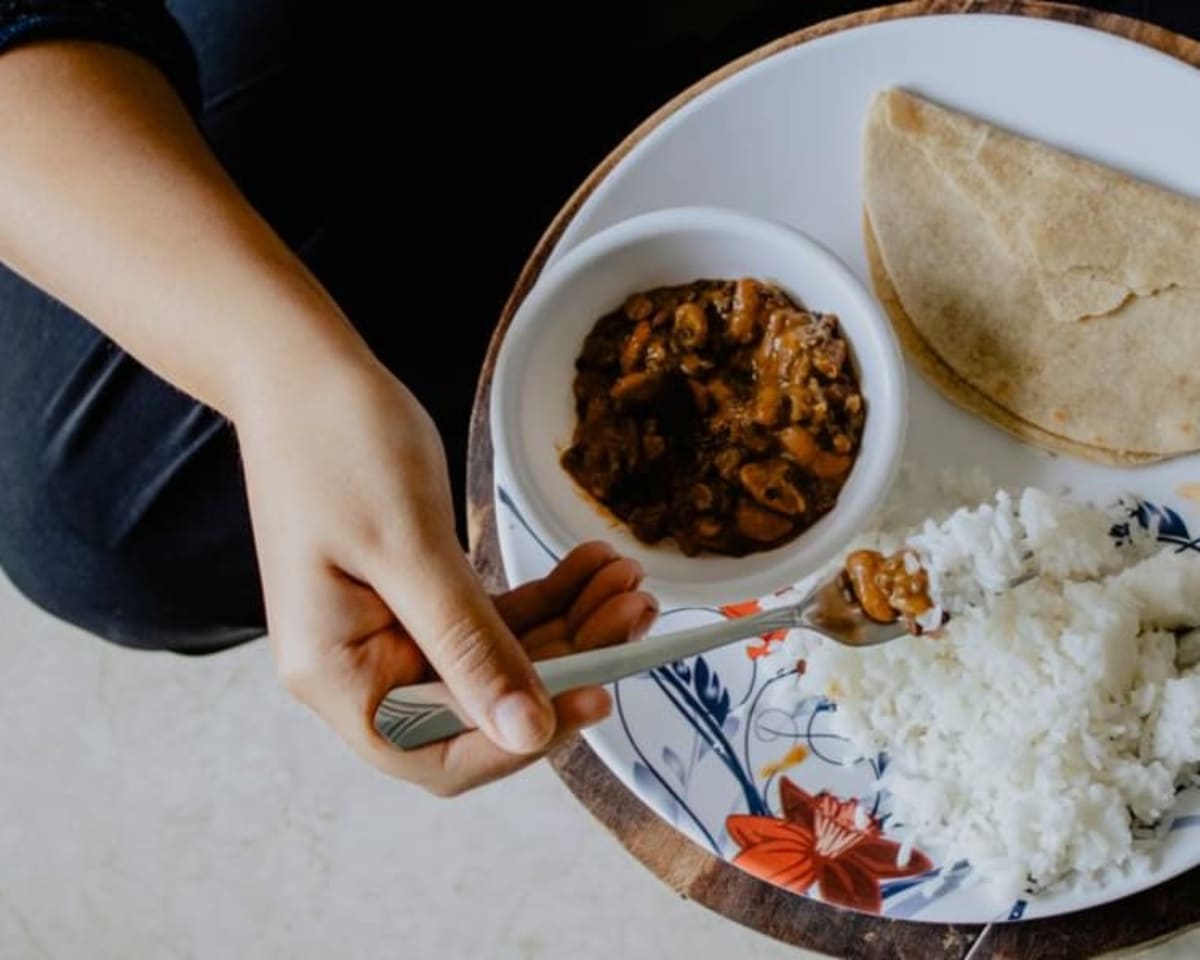
High-fibre, protein-rich South Asian plate for blood-sugar control and PCOS
Low-GI Moong Dal & Bajra Roti Thali for Blood Sugar Balance
Nutritionist-approved low-GI (glycaemic index) moong dal with fibre-rich bajra roti, perfect for blood-sugar management and PCOS - a South Asian thali.
Nutrition per serving
Nutritionist’s Note
Combining split yellow moong dal with bajra delivers an impressive 10g of fibre and 17g of plant-based protein per serving, a ratio that effectively blunts postprandial blood glucose spikes. I routinely prescribe this meal to clients navigating PCOS or insulin resistance, as pearl millet (bajra) provides slow-release complex carbohydrates that keep energy steady without demanding a heavy insulin response. The addition of ginger, cumin, and turmeric adds a potent anti-inflammatory boost, making it an ideal balanced lunch for long-term metabolic health.
Ingredients
- 200 g split yellow moong dal, rinsed
- 600 ml water
- 1 tsp each cumin seeds and mustard seeds
- 1 tsp grated ginger
- 1 small onion, finely chopped (≈80 g)
- 1 medium tomato, diced (≈120 g)
- 1 tsp turmeric powder
- 1 tsp ground coriander
- ½ tsp garam masala
- 1 tsp sea salt
- 1 tbsp mustard oil or olive oil
- 2 tbsp fresh coriander leaves, chopped
- 150 g bajra flour (pearl millet flour)
- ≈100 ml warm water for dough (add gradually - bajra flour needs less water than wheat)
- Pinch of asafoetida (hing)
Method
- Heat mustard oil in a heavy-bottomed saucepan over medium heat and add cumin, mustard seeds and a pinch of asafoetida; stir until the seeds sputter, releasing aroma.
- Add the chopped onion and grated ginger, sauté for 2-3 minutes until softened and translucent, which builds a flavour base without excess oil.
- Stir in the diced tomato, turmeric, ground coriander and salt; cook for another 2 minutes until the tomato breaks down, creating a natural acidity that balances the dal.
- Add the rinsed moong dal and 600 ml water, bring to a gentle boil, then reduce heat and simmer, covered, for 15-18 minutes until the dal is tender but still holds shape, ensuring a low glycaemic index.
- Once the dal is cooked, sprinkle garam masala and fresh coriander leaves, stir gently and let it rest off heat for 5 minutes to allow flavours to meld.
- While the dal simmers, combine bajra flour with a pinch of salt in a bowl, and gradually work in warm water a little at a time - bajra has no gluten, so you want a soft, pliable dough rather than a wet one; rest for 10 minutes to hydrate the fibres.
- Divide the dough into 4 equal balls. Bajra dough cracks if rolled with a pin, so pat each ball flat between your palms, or press it out between two sheets of greaseproof paper, into a 15-cm circle. Cook on a hot dry skillet for 1-2 minutes each side until puffed and lightly browned.
- Serve the steaming moong dal alongside the warm bajra roti, garnish with extra coriander if desired, and enjoy a balanced, nutritionist-approved meal.
Tried this recipe?
Scan to cook from your phone
Storage
Store cooled moong dal in an airtight container in the fridge for up to 4 days, or freeze for up to 3 months. Reheat on the hob over medium heat, adding a splash of water as moong dal thickens considerably when chilled. Bajra rotis dry out quickly due to the absence of gluten; wrap cooked rotis in foil inside a sealed container in the fridge for up to 2 days. Reheat on a dry, hot tava or skillet for 30 seconds per side, flicking a tiny sprinkle of water over them to restore softness.
Tips
- Because bajra flour is entirely gluten-free, the dough can crack easily. Incorporating 1 tablespoon of psyllium husk or kneading the flour with very hot water gels the native starches, making the rotis significantly easier to pat out without altering the low glycaemic profile.
- To further optimise blood sugar regulation, serve this thali alongside a crisp kachumber salad (cucumber, radish, and lemon juice) and a tablespoon of unsweetened Greek yoghurt. The extra raw fibre and protein slow gastric emptying, preventing sharp glucose spikes.
- If using mustard oil, heat it until it just reaches smoking point, then let it cool for 30 seconds before tempering your spices. This traditional technique tempers the oil's harsh pungency while retaining its beneficial monounsaturated fats.
Want a meal plan built around your needs?
If you'd like more like this, tailored to your routine and your condition, a free 15-minute call is where we figure out what that could look like.
Online consultations by secure video call, open to clients across the UK.
Continue Reading
 V
South Asian Chana Chaat Salad with Tamarind, Pomegranate & Fresh Herbs – PCOS-Friendly Lunch
 V
Caramelised Japanese Miso Aubergine with Edamame Rice
 V
Chickpea & Roasted Vegetable Power Bowl with Creamy Tahini
Quick Meals for Type 2 Diabetes: 3 Ideas

Middle Eastern Food and PCOS: Your Plate

Eating Well With Endometriosis