It is Friday evening, the menu is open, and you want to enjoy a delicious curry with family or friends. However, if you are living with diabetes, ordering an Indian takeaway can feel like a blood sugar gamble. Many popular takeaway dishes are cooked with hidden sugars, heavy creams, and refined oils that cause sharp post-meal glucose spikes followed by frustrating late-night crashes.
In my practice, I frequently hear from clients who feel they must completely give up their weekend takeaway rituals after a diagnosis. The good news is that you do not need to banish curry night entirely. By understanding how standard takeaway menus are constructed and making intentional swaps, you can comfortably enjoy Indian food while keeping your blood sugar stable.
If you have been diagnosed with diabetes or are taking medication to manage your blood glucose, it is always advisable to discuss significant dietary changes with your GP to ensure your overall care plan remains safely aligned.
Smart Starter Swaps: Firing Up the Tandoor
Takeaway starters are often a primary source of fast-acting carbohydrates and excess fat. Deep-fried options like onion bhajis, vegetable samosas, and crisp vegetable pakoras are coated in refined flour and absorb large amounts of cooking oil during frying. This combination slows stomach emptying while simultaneously delivering a rapid hit of refined starch.
Instead, look straight to the tandoori or tikka section of the menu. Protein-rich starters like chicken tikka, tandoori king prawns, seekh kebabs, or paneer tikka are marinated in yogurt and aromatic spices before being flame-grilled. Protein and spice help promote satiety without driving up glucose levels, giving your meal a balanced foundation.*
Choosing the Right Curry Base: Tomato and Spinach Over Cream
The sauce you choose plays a massive role in how your body processes the meal. Many popular British Indian Restaurant (BIR) classics, such as Chicken Korma, Butter Chicken, and Tikka Masala, rely heavily on coconut cream, double cream, ground almonds, and added sugar or mango chutney to achieve their signature sweetness. These sauces deliver dense calories and sugar that lead to prolonged blood sugar elevation.
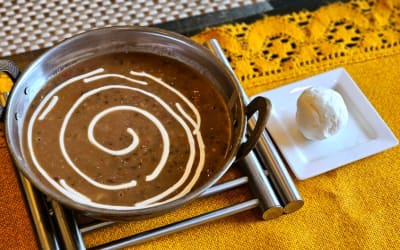
For a steadier glucose response, opt for curries built around tomatoes, onions, garlic, and leafy greens. Dishes like Chicken or Lamb Bhuna, Jalfrezi, Saag (spinach), Karahi, and Dupiaza deliver intense flavour with significantly less added sugar and heavy fat. Research suggests that incorporating non-starchy vegetables and lean proteins into carbohydrate-containing meals helps moderate overall glycemic impact.*
Wondering how this applies to you specifically?
Managing Rice, Bread, and Side Dishes
Carbohydrate density is where blood sugar spikes usually happen during takeaway meals. A single large tub of pilau rice combined with a large naan bread can easily exceed the carbohydrate intake recommended for an entire day. You do not have to cut carbohydrates out entirely, but portion control and smart choices make a noticeable difference.
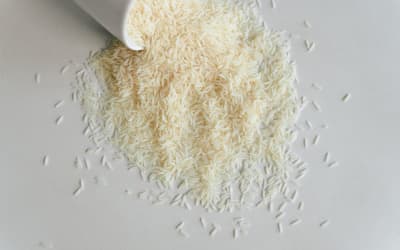
- Choose plain steamed basmati over pilau or fried rice: Pilau rice is often cooked with ghee and coloured oils, whereas plain basmati offers a slightly lower glycemic response and fewer hidden fats.
- Share your carbohydrates: Instead of ordering a full portion of rice and a whole naan for yourself, consider sharing one portion of basmati rice across two people.
- Pick chapati or tandoori roti over peshwari naan: Naan breads are made from refined white flour and often brushed liberally with butter or ghee. Peshwari naans also contain sugary coconut and raisins. Chapati and tandoori roti are unleavened and thinner, making portion management easier.
- Add dry vegetable side dishes: Dishes like bhindi masala (okra), saag (spinach), or baingan bharta (spiced aubergine) add valuable dietary fibre that slows down carbohydrate absorption.
As I explore in my guide to South Asian diabetes nutrition, leveraging spices like turmeric, cinnamon, and cumin alongside fibre-rich vegetables is an excellent way to nourish your body without dramatic blood sugar swings. You can also read more about preparing healthier flatbreads in my article on low-GI roti options.
Practical Ordering Hacks for Steady Blood Sugar
When placing your order, do not hesitate to ask the restaurant for minor adjustments. Most places cook to order and are happy to accommodate simple requests that support your health. Asking for sauce to be served on the side, requesting less oil during cooking, or asking for a fresh green side salad with lemon dressing can transform your takeaway experience.
When your food arrives, serve your portion onto a dinner plate rather than eating directly from the takeaway containers. This visual cue helps you manage portion sizes mindfully and ensures your plate mirrors a balanced template, with half filled with dry vegetable curry or salad, a quarter with lean protein, and a quarter with basmati rice or roti. If you want to learn more about balancing whole meals at home, check out my tips on curry cooking and spices.
Managing diabetes does not mean living in restriction or giving up food you love. If you would like tailored support to navigate social dining, takeaways, and everyday meal planning while keeping your blood sugar stable, explore my nutrition services or get in touch via my contact page to book a personalised online consultation. Together, we can build a practical strategy for your diabetes nutrition support that fits seamlessly into your lifestyle.